

The Intersection of Creativity and AI: Can Machines Be Artists?
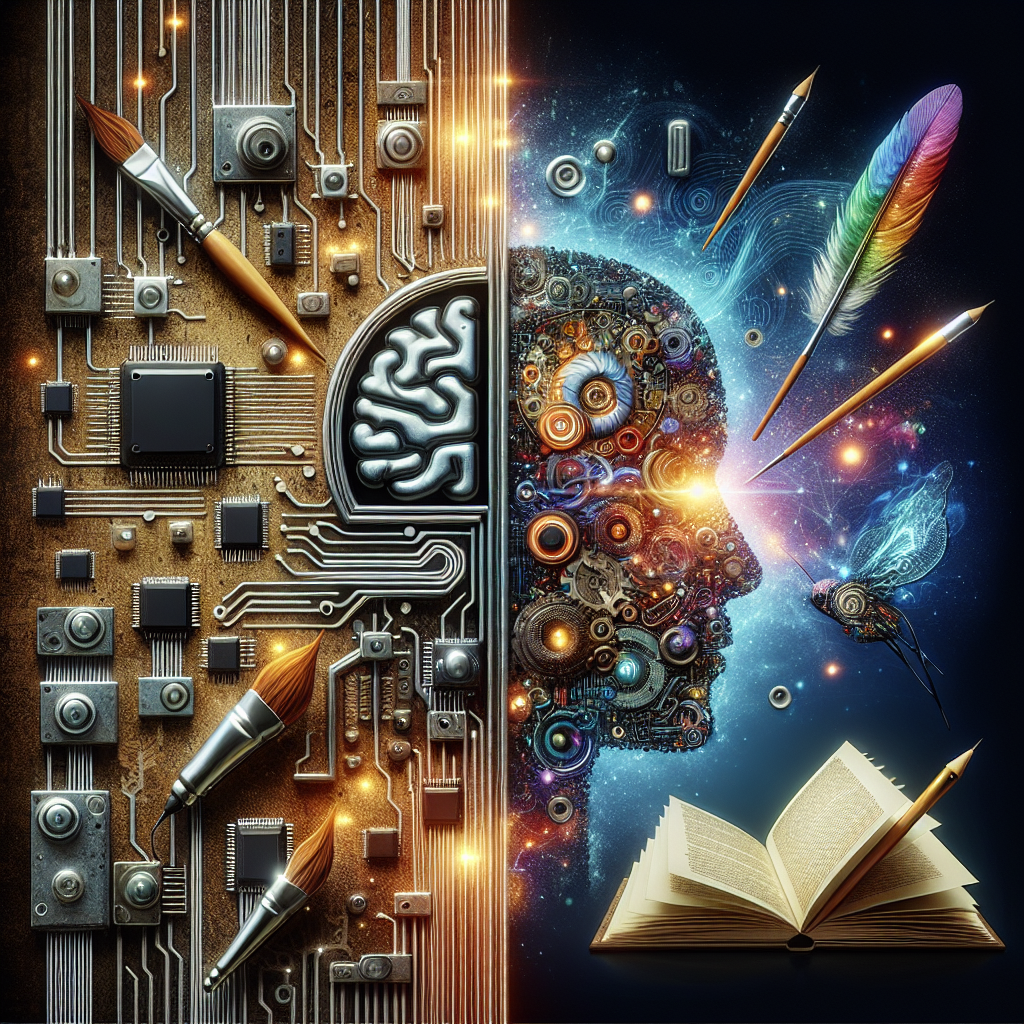
The rapid advancement of artificial intelligence has sparked a vibrant debate around the notion of creativity and artistry in machines. As AI systems become more sophisticated, they are increasingly capable of producing artworks, music, poetry, and even films. This begs the question: can machines truly be considered artists? This article delves into this fascinating intersection of technology and creativity.
Understanding Creativity
Creativity is often seen as a uniquely human trait, marked by imagination, emotion, and the ability to convey complex ideas. Traditionally, art has been a form of self-expression, allowing individuals to share their personal experiences and perspectives. However, defining creativity remains elusive, as it encompasses a range of activities, from problem-solving to the generation of entirely new concepts.
How AI Creates Art
AI can generate art through algorithms and machine learning techniques. These systems are trained on vast databases, learning patterns and styles from existing works. For instance:
-
- Generative Adversarial Networks (GANs): These involve two neural networks competing against each other to create high-quality images.
-
- Natural Language Processing (NLP): This allows AI to craft poetry and prose by analyzing existing texts and generating human-like responses.
Some famous examples include the AI-generated artwork “Edmond de Belamy,” which sold at auction for an impressive sum, showcasing the potential for machines to create commercially viable art.
Are Machines True Artists?
This leads to a philosophical inquiry: can AI be considered as “artists” if their creations lack emotional depth or personal experience? Critics argue that while AI can replicate styles or produce aesthetically pleasing outputs, it does not possess the conscious intent or emotional understanding that characterizes human artists. Thus, the debate persists about the authenticity of AI-generated art.
The Role of Collaboration
Instead of viewing AI as a replacement for human creativity, it may be more beneficial to consider it as a collaborative tool. Artists are increasingly using AI to complement their creative processes, pushing boundaries and exploring new mediums. This partnership can lead to groundbreaking works that marry technology with human creativity, offering fresh perspectives and innovations.
Conclusion
As technology continues to evolve, the relationship between creativity and AI will undoubtedly grow more intricate. While machines may not experience creativity as humans do, their ability to generate art challenges our traditional notions of artistry. Ultimately, whether AI can be deemed an “artist” may not hinge on its creations alone, but rather on how these innovations shape the future of human creativity.