


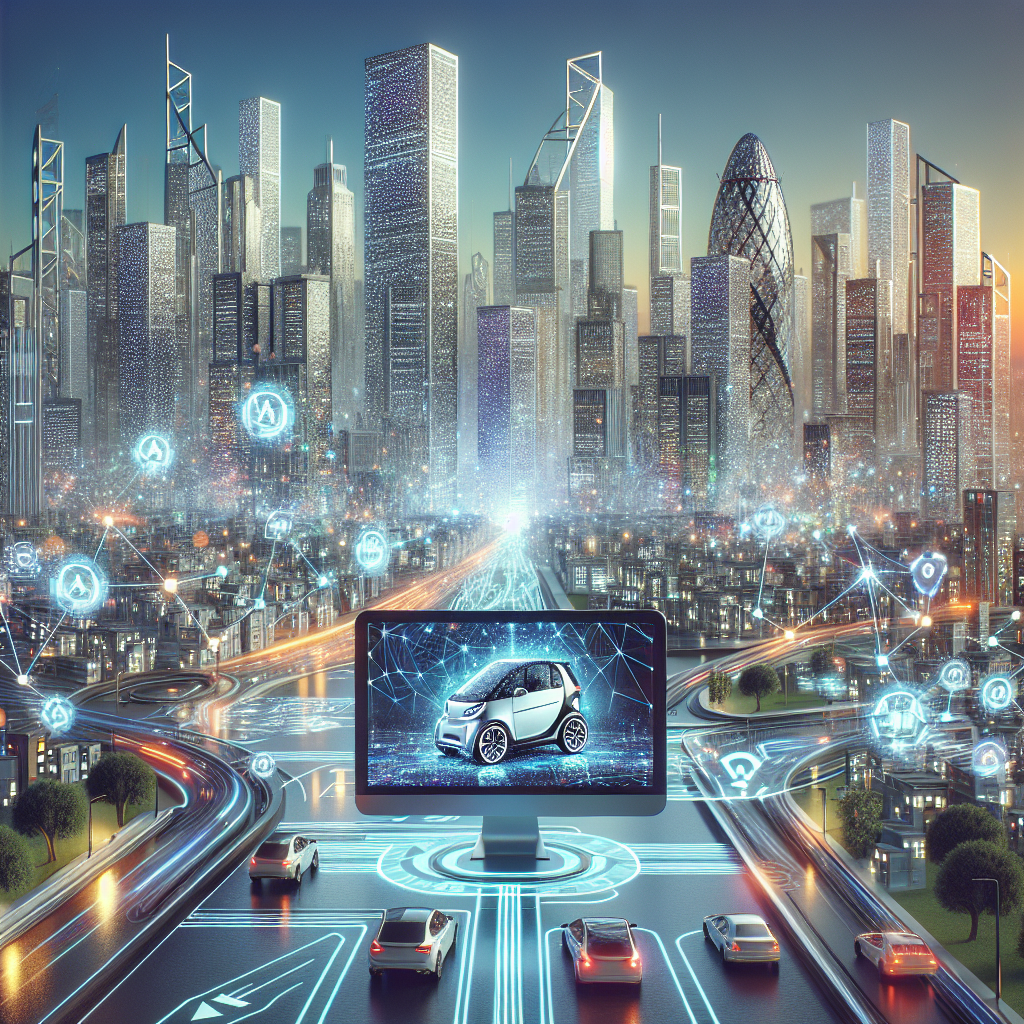
Smart Cities: How AI is Shaping Urban Living
Transforming urban spaces into intelligent environments!
Introduction
Smart cities are urban areas that utilize various types of electronic data collection sensors to supply information which is then used to manage assets, resources, and services efficiently. As technology advances, Artificial Intelligence (AI) is playing a crucial role in developing these intelligent urban spaces.
The Role of AI in Smart Cities
AI technologies are being leveraged to address a myriad of urban challenges. Here are some key areas where AI is making a significant impact:
- Traffic Management: AI-powered algorithms analyze traffic patterns in real-time, optimizing traffic lights and reducing congestion.
- Public Safety: AI systems assist surveillance in detecting unusual activities and improving emergency response times.
- Energy Efficiency: Smart grids use AI to predict energy demand and efficiently manage distribution to minimize waste.
- Waste Management: Smart bins equipped with sensors communicate fill levels, enabling optimized waste collection routes.
- Healthcare Improvements: AI algorithms can analyze health data to improve citywide healthcare services and epidemic response.
Benefits of AI in Urban Living
The integration of AI into urban environments brings numerous benefits:
- Improved Quality of Life: Enhanced public services lead to a more convenient, comfortable living environment.
- Cost Efficiency: Automating city management can significantly reduce operational costs for municipalities.
- Sustainability: Smart technology promotes eco-friendly practices, contributing to greener urban spaces.
- Community Engagement: AI can facilitate better communication between citizens and city officials through platforms and applications.
Challenges Ahead
Despite the promising outlook, the development of smart cities using AI is not without challenges:
- Data Privacy: Collecting data from citizens raises concerns regarding privacy and the security of that data.
- Technology Equity: Ensuring that all citizens have access to AI technologies remains a critical issue.
- Infrastructure Costs: Upgrading existing infrastructures to support smart technologies can be financially burdensome.
Conclusion
AIs integration into urban living heralds a new era of smart cities designed to enhance the quality of life while promoting sustainability. While challenges exist, the potential rewards are significant. As more cities embrace this technology, the future of urban living looks brighter and smarter.
Additional relevant updates