

asohij.com
Wednesday, February 4, 2026
No menu items!
HomeAIThe Brains Behind Artificial Intelligence

The Brains Behind Artificial Intelligence

Introduction
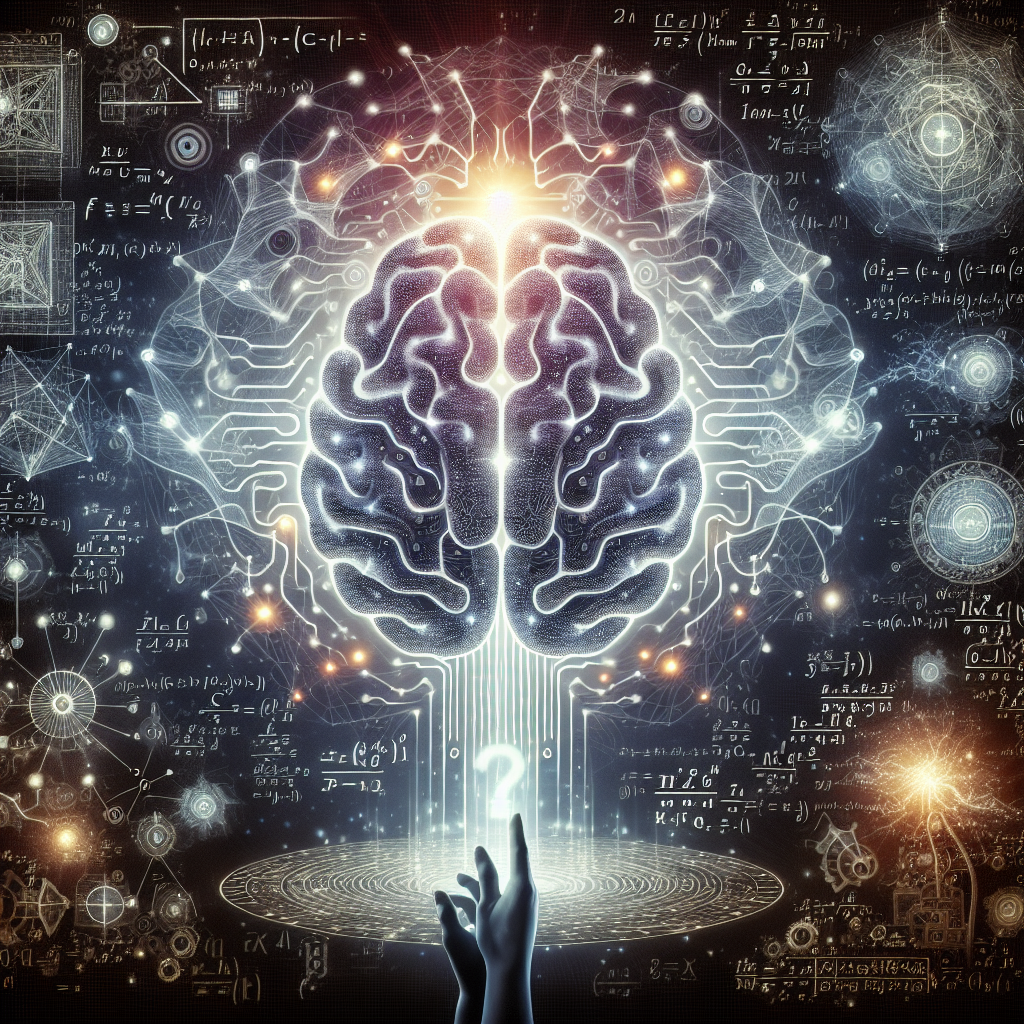
Neural networks are a cornerstone of artificial intelligence (AI), mimicking the neural pathways of the human brain. They are designed to recognize patterns, make decisions, and predict outcomes based on large volumes of data. Understanding neural networks is crucial for grasping how modern AI functions, from image recognition to natural language processing.What are Neural Networks?

At their core, neural networks consist of layers of interconnected nodes, or neurons, which process information. These networks are typically structured in three main layers:

  • Input Layer: This layer receives the raw data.
  • Hidden Layers: These layers perform computations and feature extraction, usually consisting of multiple layers to enhance learning capabilities.
  • Output Layer: This layer produces the final output or prediction.

How Neural Networks Work

Neural networks use algorithms to identify patterns. The learning process involves adjusting the weights of connections between neurons based on the error in predictions. This is typically done using a method called backpropagation, which minimizes the error through iterative adjustments.Some key components of this process include:

  • Activation Functions: These functions determine whether a neuron should be activated or not based on its input.
  • Learning Rate: This hyperparameter controls how much to change the model in response to the estimated error each time the model weights are updated.

Applications of Neural Networks

Neural networks power many applications in various fields, including:

  • Image and Video Recognition: Identifying and classifying images, driving advancements in facial recognition technology.
  • Natural Language Processing: Enhancing the interaction between humans and machines through speech recognition and language translation.
  • Healthcare: Assisting in diagnosing diseases and predicting patient outcomes using medical data.
  • Finance: Fraud detection, risk management, and algorithmic trading.

Challenges and Future of Neural Networks

Despite their success, neural networks face challenges including the need for vast amounts of data, computational power, and the risk of overfitting. Future advancements may include improved architectures and more efficient algorithms that could mitigate these issues.With ongoing research and development, the capabilities of neural networks will likely expand, leading to more sophisticated AI applications that could revolutionize various industries.

Visit our website to get more updates

RELATED ARTICLES

Most Popular

Recent Comments