


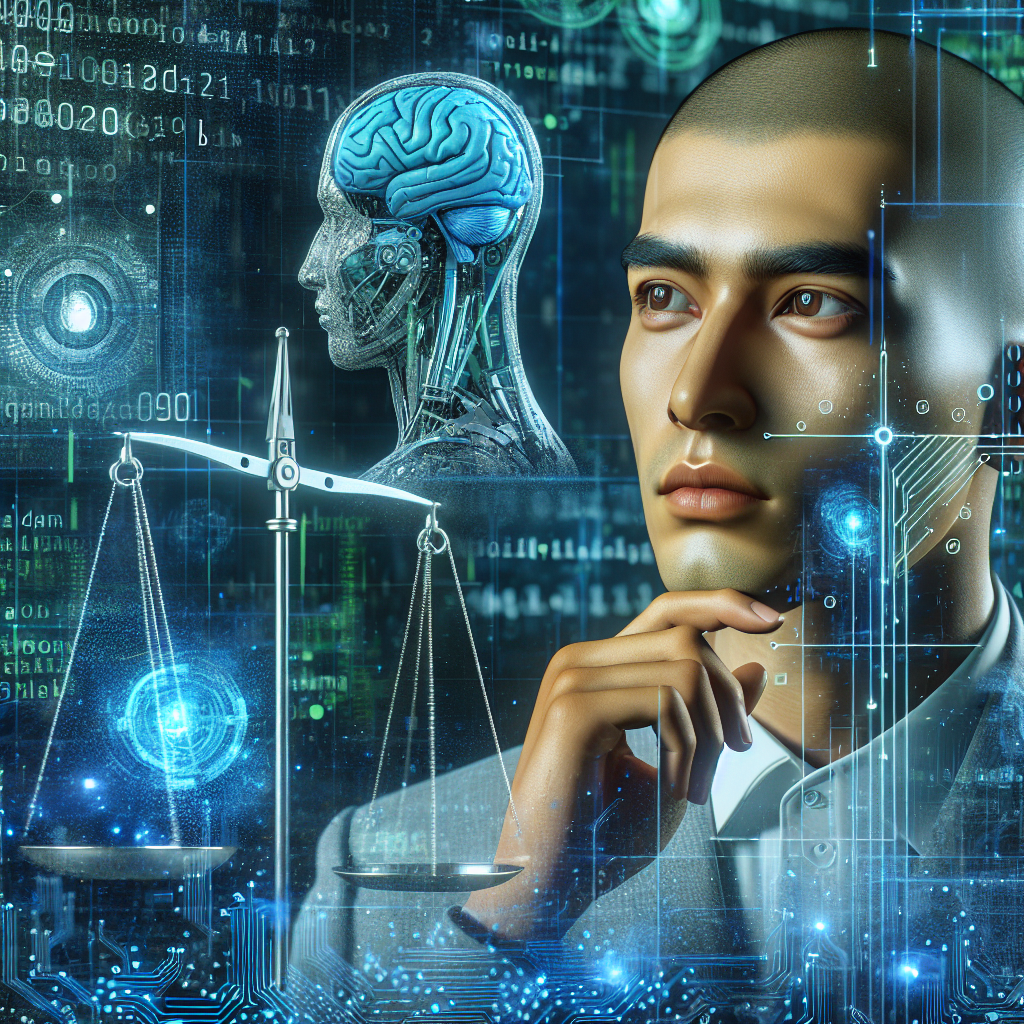
<h1>Ethics in AI: Navigating the Moral Dilemmas of Machine Intelligence</h1>
<p>The rapid advancement of artificial intelligence (AI) presents not only incredible opportunities but also profound ethical dilemmas. As machines become more intelligent and autonomous, society must grapple with the moral implications that accompany their integration into daily life.</p>
<h2>Understanding AI Ethics</h2>

<p>AI ethics refers to the system of principles and values guiding the development and deployment of artificial intelligence technologies. Key areas of concern include:</p>

<ul>

    <li><strong>Bias and Fairness:</strong> Algorithms can inadvertently perpetuate biases present in the training data, leading to unfair treatment of individuals or groups.</li>

    <li><strong>Privacy:</strong> The use of AI often involves data collection, raising concerns about how personal information is handled and protected.</li>

    <li><strong>Transparency:</strong> There are calls for AI systems to be more transparent in their operations to ensure that decisions can be understood and challenged.</li>

    <li><strong>Autonomy:</strong> As AI systems handle more decision-making processes, questions arise about the erosion of human autonomy.</li>

    <li><strong>Accountability:</strong> Determining who is responsible for the actions of AI systems presents a significant challenge, especially in cases of error or harm.</li>

</ul>
<h2>The Importance of Ethical Guidelines</h2>

<p>To address these dilemmas, many organizations are developing ethical guidelines for AI. These may include principles such as:</p>

<ul>

    <li><strong>Beneficence:</strong> AI should be designed to benefit individuals and society as a whole.</li>

    <li><strong>Non-maleficence:</strong> Care must be taken to avoid harm to individuals and communities.</li>

    <li><strong>Justice:</strong> Fair distribution of the benefits and burdens of AI technologies must be ensured.</li>

    <li><strong>Respect for Persons:</strong> Individuals' privacy and rights should be respected in any AI application.</li>

</ul>
<h2>Case Studies: Ethical Dilemmas in AI</h2>

<h3>Facial Recognition Technology</h3>

<p>Facial recognition systems have shown promise in security and law enforcement, but they also raise concerns over privacy and racial bias. Studies have indicated that these systems are more likely to misidentify individuals from minority groups, leading to potential misuse and discrimination.</p>
<h3>Autonomous Vehicles</h3>

<p>Self-driving cars must navigate complex ethical questions, particularly in accident scenarios. Developers and lawmakers face the dilemma of how an autonomous vehicle should react in life-threatening situations—for example, deciding between the safety of passengers versus pedestrians.</p>
<h2>Looking Forward: The Path to Ethical AI</h2>

<p>As AI technology evolves, it is essential for stakeholders—including developers, policymakers, and the public—to engage in ongoing dialogue about ethics. Collaboration across disciplines will be crucial in creating frameworks that address emerging moral challenges effectively. Key future considerations include:</p>

<ul>

    <li>Encouraging interdisciplinary research on AI ethics.</li>

    <li>Implementing robust regulatory frameworks that promote accountability.</li>

    <li>Fostering public awareness and understanding of AI technologies and their implications.</li>

</ul>
<h2>Conclusion</h2>

<p>Ethics in AI is a critical field as we navigate the complexities of machine intelligence. By prioritizing ethical considerations in the development and deployment of AI, we can harness its potential to create a more just and equitable society. It is imperative that we remain vigilant and proactive in addressing these moral dilemmas as technology continues to advance.</p>
More related updates, Click Here