

Demystifying Artificial Intelligence: What You Need to Know
Artificial Intelligence (AI) is a term that has captured the imagination of many. While it offers fascinating possibilities, it also raises questions and misconceptions. This article aims to simplify the concept of AI, providing a clear understanding of what it is, how it works, and its implications for the future.
What is Artificial Intelligence?
At its core, AI is the simulation of human intelligence processes by machines, particularly computer systems. These processes include learning (the acquisition of information and rules for using it), reasoning (using rules to reach approximate or definite conclusions), and self-correction.
Types of Artificial Intelligence
AI can be categorized into two main types:
-
- Narrow AI: This refers to AI systems that are designed and trained for a specific task, such as voice assistants like Siri or recommendation algorithms on streaming services.
-
- General AI: This is a theoretical form of AI that possesses the ability to understand, learn, and apply intelligence to solve any problem, similar to a human. As of now, General AI remains largely aspirational.
How Does AI Work?
AI operates using vast amounts of data and advanced algorithms to identify patterns and make decisions. Here are some key components that drive AI:
-
- Machine Learning: This is a subset of AI that enables systems to learn and improve from experience without explicit programming.
-
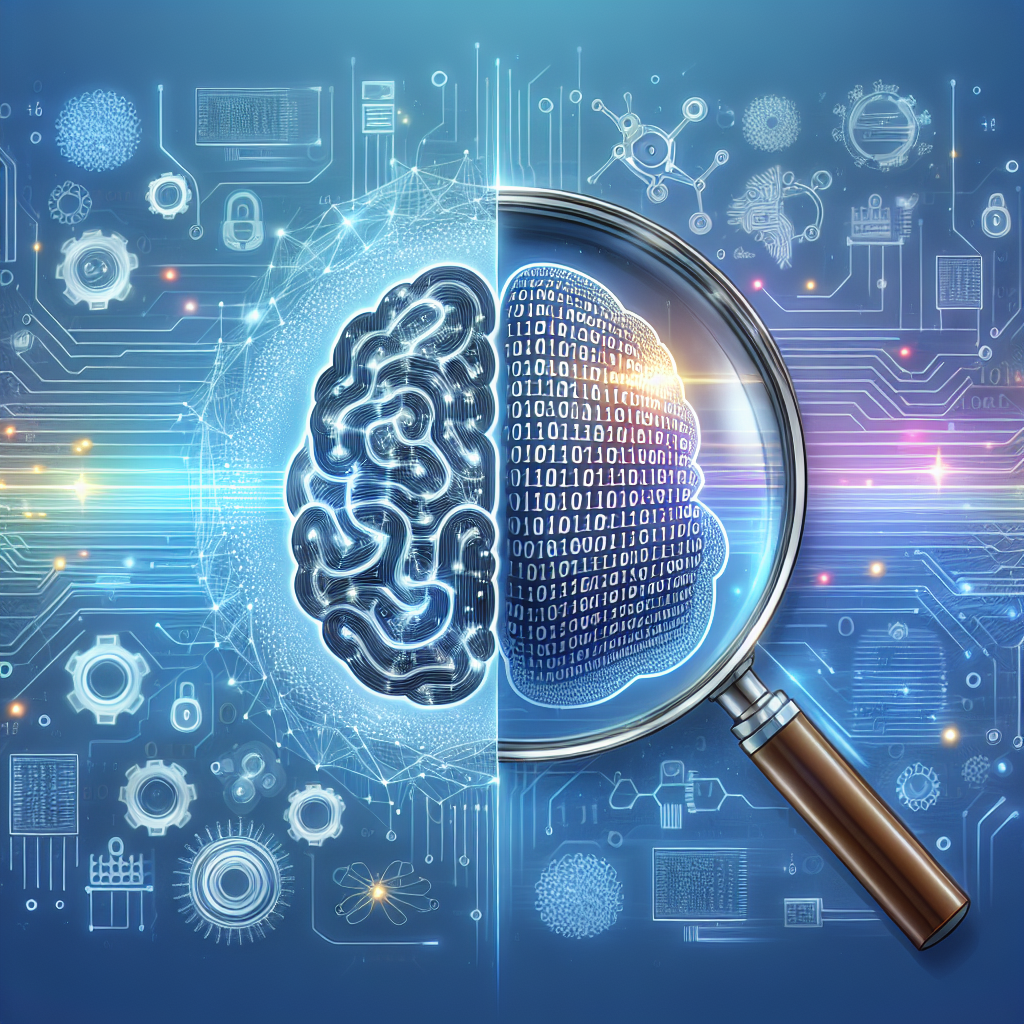
- Neural Networks: These are computational models inspired by the human brain, used in machine learning to recognize patterns and solve complex problems.
-
- Natural Language Processing (NLP): This allows computers to understand, interpret, and respond to human language in a valuable way.
The Impact of AI on Society
The implications of AI are far-reaching, affecting various sectors such as healthcare, education, finance, and transportation. Here are some potential benefits and challenges:
Benefits:
-
- Improved efficiency and productivity in various industries.
-
- Enhanced data analysis leading to better decision-making.
-
- Automation of mundane tasks, freeing up human resources for more creative work.
Challenges:
-
- Job displacement due to automation.
-
- Ethical concerns surrounding data privacy and security.
-
- Potential misuse in harmful ways, including surveillance and manipulation.
Conclusion
As we continue to advance technologically, understanding AI becomes crucial. It’s not just a trend; it’s a tool that will shape the future. By demystifying AI, we can engage with it more critically and constructively, ensuring that it serves humanity positively.