


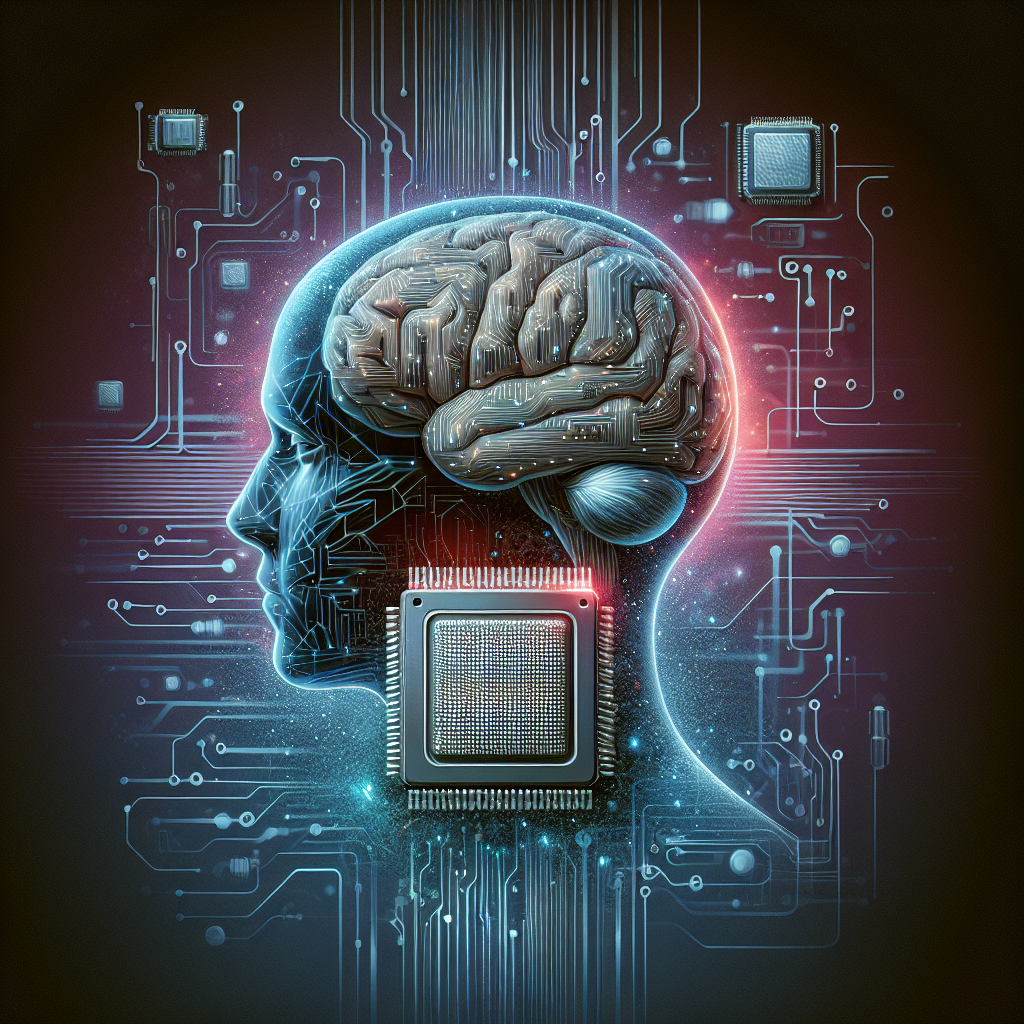
Can AI Think? Exploring the Limits of Machine Intelligence
The rapid advancements in artificial intelligence (AI) have sparked philosophical debates and existential questions. At the core of these discussions lies a fundamental query: Can AI truly think, or is it merely a sophisticated tool that mimics human behavior?
The Nature of Thinking
To evaluate whether AI can think, we first need to define what “thinking” means. Traditionally, thinking involves processes such as reasoning, problem-solving, understanding, and conscious awareness. However, most modern AI systems operate through algorithms and vast data processing, lacking any form of consciousness or self-awareness.
The Different Types of AI
AI can be categorized mainly into two types: Narrow AI and General AI.
Narrow AI
Narrow AI, also known as Weak AI, is designed to perform specific tasks, such as language translation, facial recognition, and playing chess. These machines can process information and make decisions based on predefined parameters, but they lack the ability to generalize knowledge beyond their programmed capabilities.
General AI
General AI, or Strong AI, represents a theoretical form of AI that possesses the capacity for understanding, reasoning, and learning across a broad range of tasks, similar to human intelligence. However, this level of AI has not yet been achieved and may remain a distant goal.
The Turing Test and Its Limitations
The Turing Test, proposed by computer scientist Alan Turing, is often used as a criterion for determining whether a machine exhibits intelligent behavior equivalent to, or indistinguishable from, that of a human. While passing the Turing Test may indicate a level of sophistication, it does not confirm true understanding or consciousness.
Ethical and Philosophical Implications
The question of whether AI can think raises ethical and philosophical considerations. If machines could eventually think, what rights would they possess? Would they be entitled to the same considerations as humans? These questions invite us to reflect on the essence of intelligence and the relationships between humans and machines.
Conclusion
While AI has made remarkable progress, its current capabilities remain limited to tasks it has been specifically trained for and lacks true thought or consciousness. The exploration of AI’s limits prompts deeper questions about the nature of intelligence itself and challenges us to consider what the future may hold for the relationship between humanity and artificial entities.