


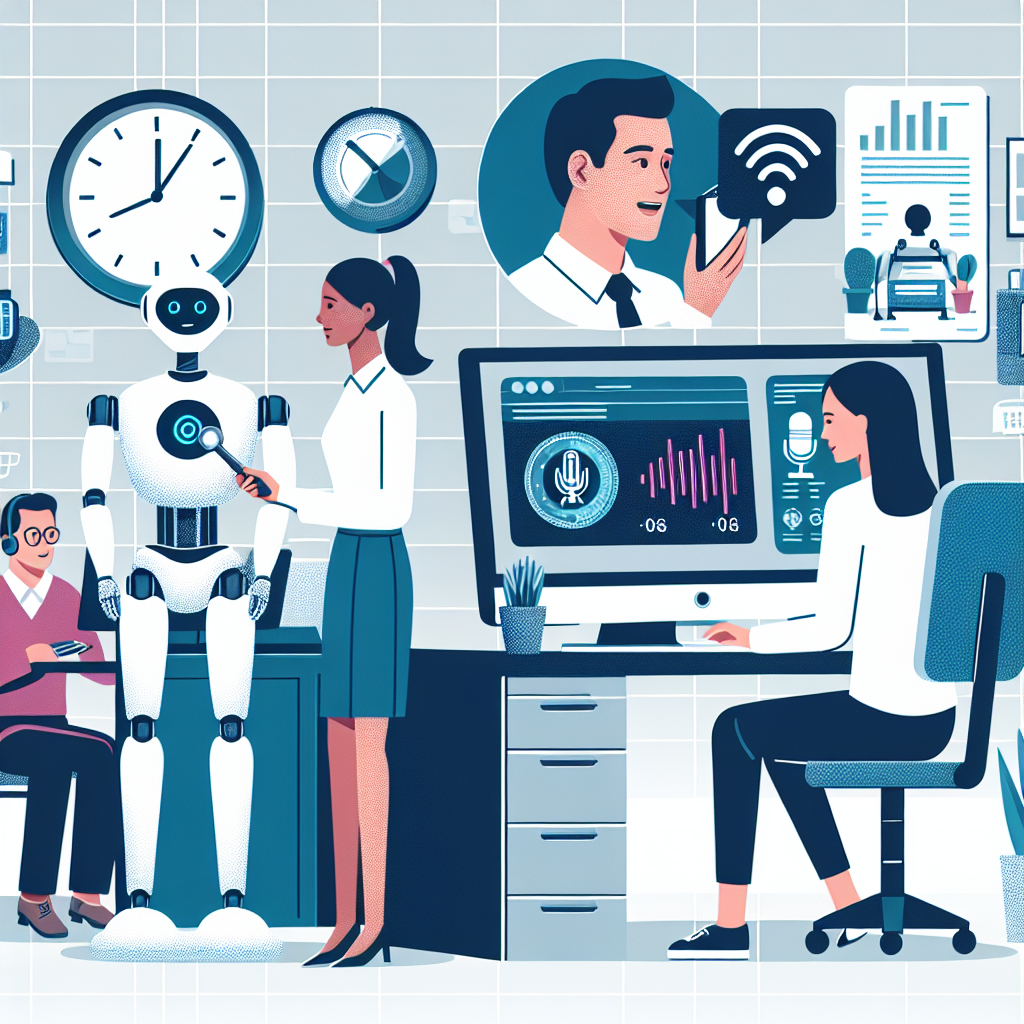
The rise of Artificial Intelligence (AI) has sparked a significant debate regarding its role in the workplace. With rapid technological advancements, many organizations are adopting AI to streamline operations, enhance productivity, and improve decision-making processes. However, the integration of AI also presents challenges and concerns that need to be carefully considered. So, is AI a friend or a foe in the workplace?
The Benefits of AI in the Workplace
AI offers numerous advantages that can transform the workplace for the better:
- Enhanced Efficiency: AI can automate repetitive tasks, allowing employees to focus on more strategic, creative, and complex responsibilities.
- Data-Driven Decision Making: AI’s ability to analyze vast amounts of data helps organizations make informed decisions quickly and accurately.
- 24/7 Availability: Unlike human employees, AI systems can operate around the clock, providing support whenever it’s needed.
- Personalization: AI-powered tools can help tailor services and communications to individual customer needs, enhancing user experience and satisfaction.
The Challenges Posed by AI
Despite its advantages, the implementation of AI in the workplace also raises several concerns:
- Job Displacement: Automation may lead to job losses in certain sectors, creating anxiety among workers regarding their job security.
- Ethical Concerns: The use of AI can raise ethical issues, particularly related to privacy and data security.
- Overdependence: Businesses may become overly reliant on AI, leading to a decline in critical thinking and problem-solving skills among employees.
- Bias and Fairness: AI systems can perpetuate existing biases in data, which can result in discriminatory practices if not handled properly.
Finding a Balance
For organizations to leverage AI successfully, it is crucial to find a balance between utilizing AI’s capabilities and preserving the human touch in the workplace. Here are a few strategies to achieve this:
- Invest in employee training programs to enhance skills and facilitate the transition alongside AI technologies.
- Implement transparent AI systems, ensuring that employees understand how and why decisions are made by these technologies.
- Encourage a collaborative environment where AI and human intelligence work together to solve problems and create value.
- Regularly evaluate the impact of AI on the workforce and adjust strategies to address potential negative consequences.
Conclusion
AI’s role in the workplace is a double-edged sword. It has the potential to act as a friend that drives innovation and efficiency, but it can also become a foe if not managed responsibly. The key lies in embracing AI while fostering a work culture that values human input and creativity. By doing so, organizations can harness the true potential of AI, turning challenges into opportunities for growth and development.
More related updates, Click Here