


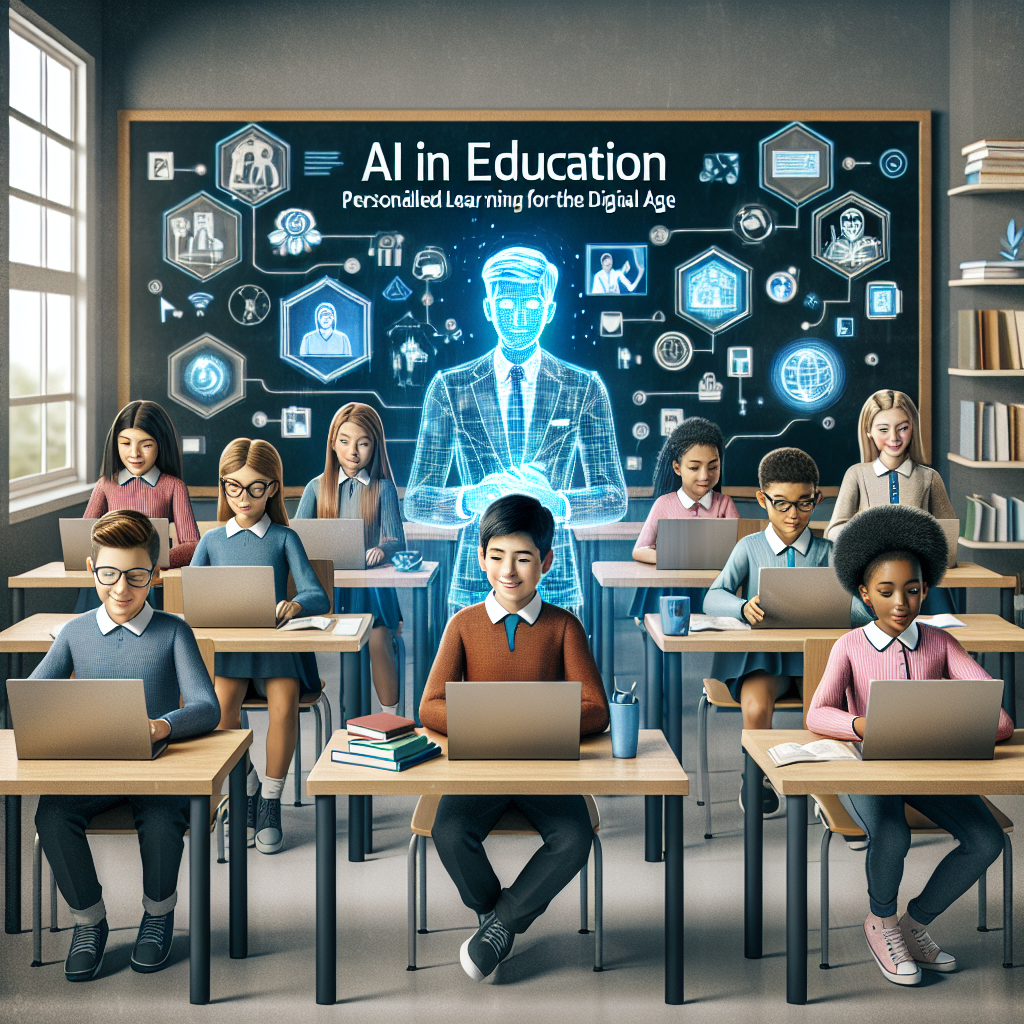
AI in Education: Personalized Learning for the Digital Age
Introduction
The integration of Artificial Intelligence (AI) into education has transformed traditional learning methods, paving the way for personalized learning experiences. In the digital age, students’ needs are diverse, and AI can help educational institutions tailor their approaches to ensure all learners reach their full potential.
What is Personalized Learning?
Personalized learning refers to an educational approach that seeks to customize learning for each student’s strengths, needs, and interests. With AI, educational technologies can analyze vast amounts of data to create tailored learning experiences, adapting in real-time to individual student performance.
How AI Facilitates Personalized Learning
1. Adaptive Learning Platforms
AI-powered adaptive learning platforms can assess student knowledge and learning styles, adjusting content and pace accordingly. For instance, platforms like DreamBox and Knewton adjust math problems’ difficulty based on students’ performance.
2. Intelligent Tutoring Systems
Intelligent tutoring systems offer one-on-one assistance, providing real-time feedback and guidance. These systems can identify specific areas where students struggle and offer targeted resources and exercises to improve understanding.
3. Data-Driven Insights
AI can analyze student performance data to help educators identify trends and areas needing attention. This data-driven approach enables teachers to focus on students who may require extra support, fostering a more equitable learning environment.
Benefits of AI in Personalized Learning
1. Enhanced Engagement
AI-driven education can create more engaging and interactive learning experiences. Personalized content keeps students interested and motivated, fostering a love for learning.
2. Increased Efficiency
By automating tasks such as grading and administrative work, educators can spend more time focusing on teaching and interacting with students. This leads to a more effective learning environment.
3. Accessibility
AI technology can provide resources for students with disabilities, offering specialized tools that cater to unique learning requirements. This ensures that all students, regardless of their challenges, can access quality education.
Challenges and Considerations
While the potential of AI in education is enormous, several challenges remain, including data privacy concerns and the need for proper training for educators. Balancing technology with human interaction is vital to ensure that personalized learning remains effective and inclusive.
Conclusion
AI is poised to revolutionize education by making personalized learning not just a possibility but a reality. As schools and educational institutions embrace this technology, the future of learning will undoubtedly become more tailored, efficient, and engaging for every student.