


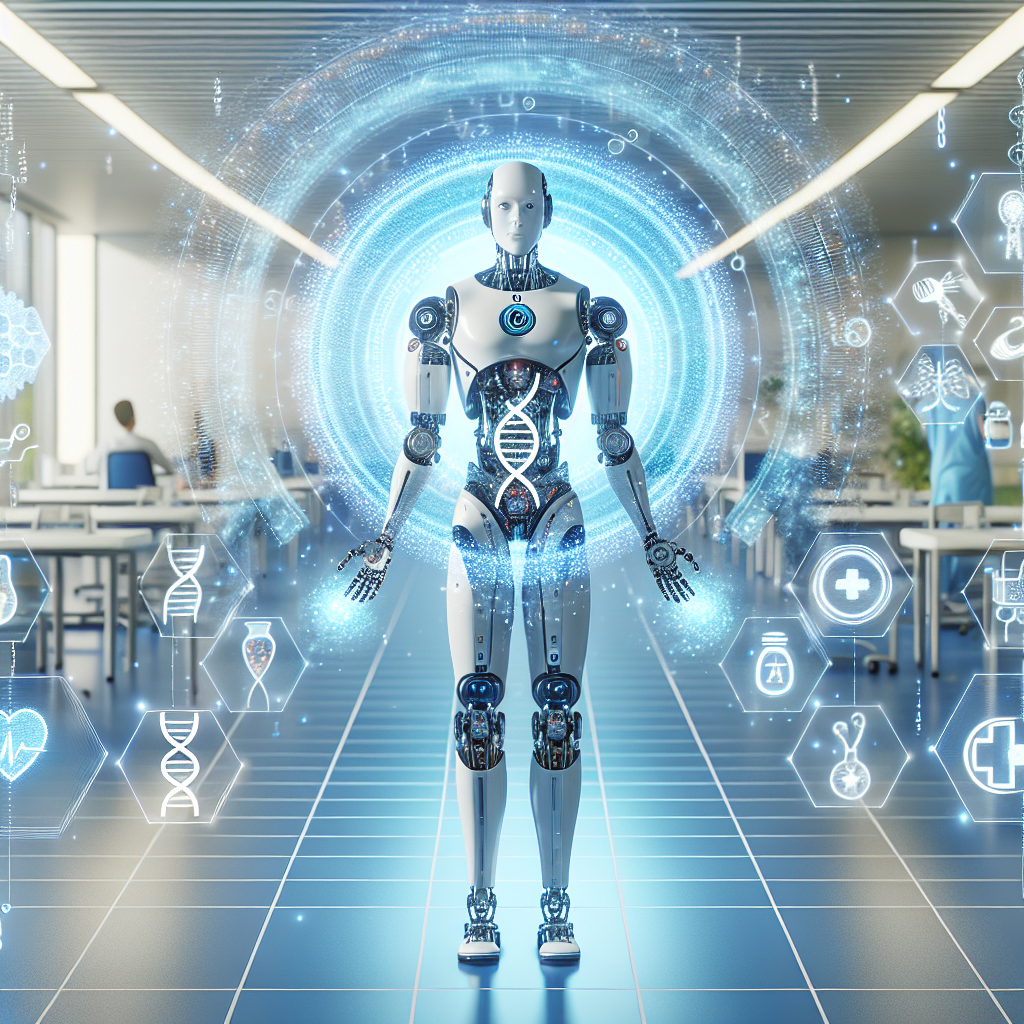
Personalized Medicine: The Role of AI in Healthcare Innovations
In recent years, the healthcare industry has undergone a dramatic transformation, fueled by advancements in technology and research. At the forefront of these changes is personalized medicine, a tailored approach to treatment that considers individual differences in patients’ genetic makeup, lifestyle, and environment. Artificial Intelligence (AI) plays a pivotal role in this revolution, enabling innovations that enhance patient care and outcomes.
The Concept of Personalized Medicine
Personalized medicine shifts the focus from a one-size-fits-all approach to one that recognizes the uniqueness of each patient. This methodology involves:
- Genomic profiling to identify specific genetic markers associated with diseases.
- Analysis of a patient’s lifestyle and environmental factors.
- Use of data to predict responses to medications and treatments.
The Impact of AI on Personalized Medicine
AI technologies are transforming personalized medicine by providing tools that improve the accuracy and efficiency of diagnosis, treatment plans, and patient management. Here are some key areas where AI is making a difference:
1. Data Analysis and Predictive Modeling
AI algorithms can analyze vast amounts of medical data, including electronic health records (EHRs), lab results, and imaging studies. This capability allows healthcare providers to:
- Identify patterns and trends that inform patient treatment.
- Predict disease progression and treatment responses.
2. Drug Discovery and Development
AI accelerates the drug discovery process by predicting which compounds can effectively target specific diseases based on genetic data. It helps researchers:
- Analyze biochemical data rapidly.
- Reduce costs associated with clinical trials by identifying the most promising candidates early on.
3. Customized Treatment Plans
Through machine learning, AI systems can provide personalized treatment recommendations that consider an individual’s unique health profile. This leads to:
- Greater effectiveness in treatment.
- Fewer adverse effects from medications.
Challenges and Considerations
Despite the promising advancements, several challenges remain in integrating AI into personalized medicine:
- Data privacy and security concerns.
- Need for standardization in data and methodologies.
- Regulatory hurdles in the approval of AI-driven technologies.
The Future of AI in Personalized Medicine
Looking forward, the integration of AI into personalized medicine is expected to grow, driven by continuous research and innovation. This evolution holds the potential to:
- Enhance patient outcomes through more precise treatments.
- Foster predictive analytics that anticipate health issues before they arise.
- Facilitate more efficient healthcare systems that reduce costs.
Visit our website to get more information