

The Rise of AI Creatives: Can Machines Truly Be Artistic?
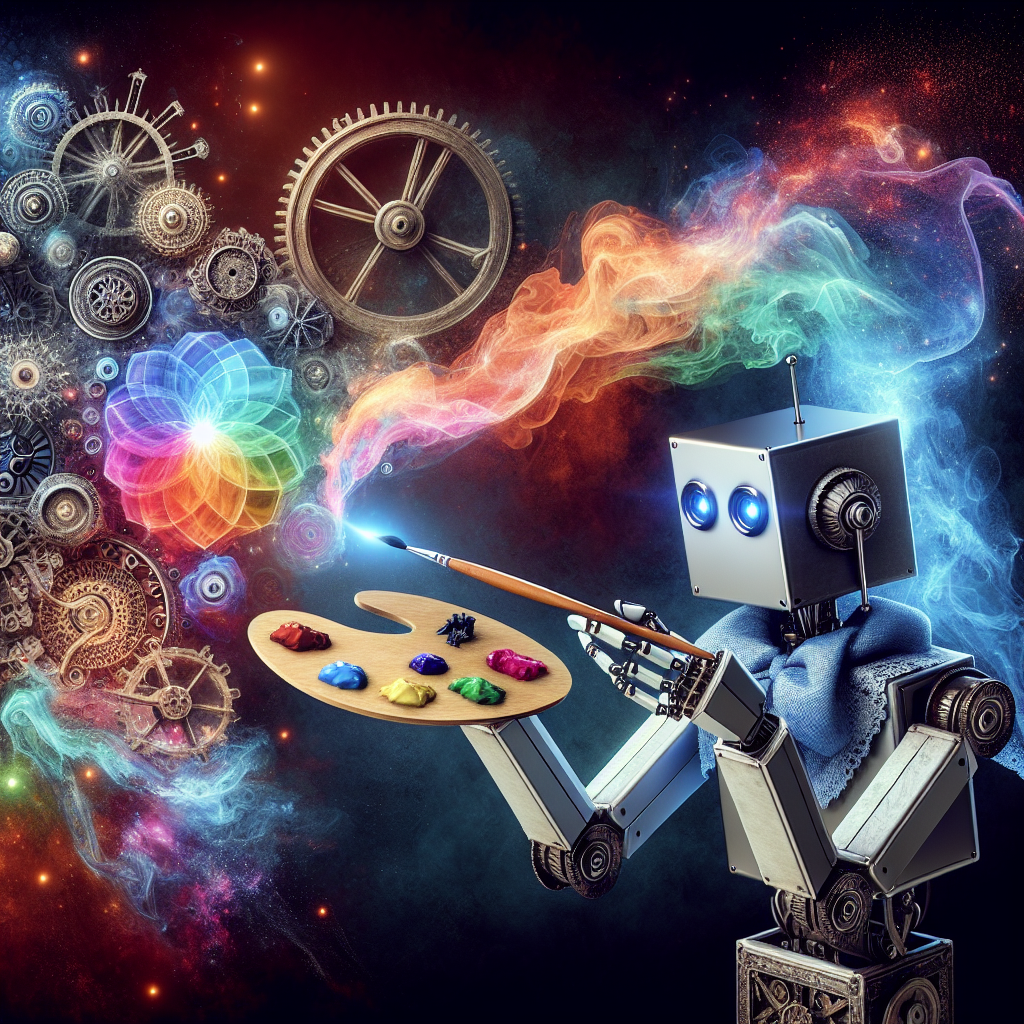
As technology continues to evolve, the boundaries of creativity are being challenged in ways we never imagined. The rise of artificial intelligence (AI) has sparked prevalent discussions about whether machines can possess creativity akin to human artists. From generating music to crafting visual art, AI’s capabilities are expanding rapidly, raising the question: can machines truly be artistic?
The Evolution of AI in Creative Spaces
In recent years, AI has made significant strides in creative domains. Programs like OpenAI’s DALL-E generate stunning images from textual descriptions, while tools like Jukedeck and AIVA compose original music. These advancements have prompted both excitement and apprehension within communities of artists and musicians.
Understanding Creative Processes
At the core of any creative endeavor is the process of inspiration and interpretation. Human artists draw upon personal experiences, emotions, and cultural contexts to create works that resonate deeply with viewers. In contrast, AI relies on vast datasets to analyze patterns and replicate styles. But does this mean it can be considered truly creative?
Defining Art and Creativity
The definition of art is subjective, often changing from culture to culture and person to person. Some argue that art must stem from human experience and intention. If so, can AI-generated art, which is devoid of personal insight and emotion, genuinely qualify as art?
Aesthetic Value versus Creative Intent
While AI can produce aesthetically pleasing pieces that may evoke emotional responses, it lacks the creative intent that human artists possess. Humans contextualize their work within societal frameworks, drawing from an intricate web of personal narratives and shared experiences.
The Role of Collaboration
Instead of viewing AI as a replacement for human creatives, many experts suggest embracing it as a collaborative tool. By combining human intuition with machine learning capabilities, artists can explore uncharted territories in art and music, pushing creative boundaries further than ever before.
Examples of Successful Collaboration
Numerous artists have already begun incorporating AI into their creative practices. For instance, artist Refik Anadol uses machine learning algorithms to create mesmerizing installations that illuminate the relationship between art and data. Such collaborations illustrate that while machines can enhance creativity, they do not diminish the role of the human touch.
Conclusion: A New Era for Art?
As we move into this new era characterized by AI, the conversation around artistic integrity and creativity is more relevant than ever. It’s essential to recognize that while machines can imitate and generate, the essence of art still resides in the human experience. AI might not be truly “artistic” in the traditional sense, but its potential to augment and inspire human creativity is undeniable, paving the way for innovative expressions that blend technology and art.