


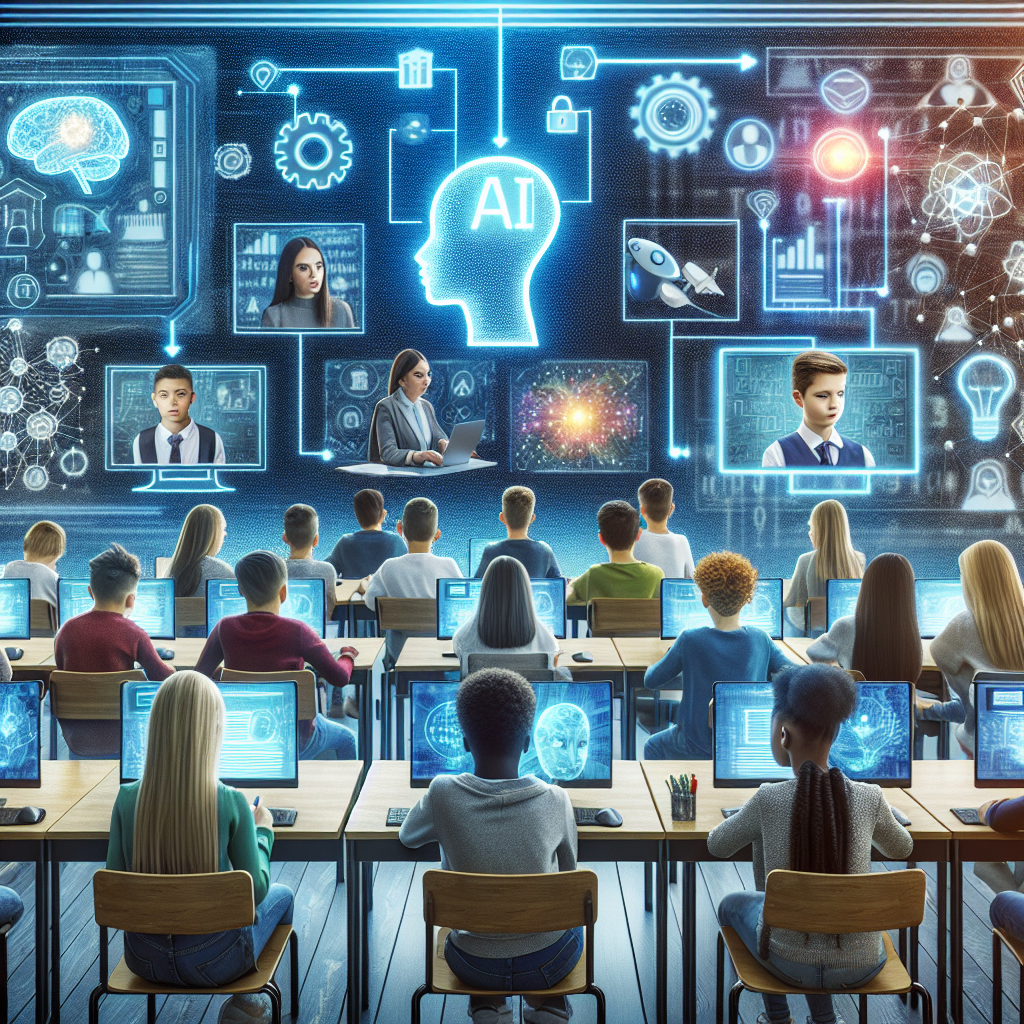
AI-Powered Education: Personalized Learning for the Next Generation
In recent years, the education landscape has witnessed a significant transformation, primarily driven by advancements in technology. Among these, artificial intelligence (AI) stands out as a powerful tool that is reshaping how students learn, teachers instruct, and educational institutions operate. AI-powered education is paving the way for personalized learning experiences that cater to the unique needs of every student.
The Importance of Personalized Learning
Personalized learning recognizes that each student has distinct learning styles, preferences, and paces. Traditional education models, often rigid and standardized, fail to address these differences and can leave some students behind. AI technology offers a solution by implementing customized learning paths that adapt to individual strengths and weaknesses, ensuring that learners receive the support and resources they need to succeed.
How AI Enhances Personalized Learning
AI facilitates personalized education through various means:
-
- Adaptive Learning Platforms: These platforms utilize AI algorithms to assess a student’s performance in real-time and adjust the curriculum accordingly. This ensures that students remain engaged and challenged at their own level.
-
- Data-Driven Insights: By analyzing student data, AI can identify patterns and trends that help educators tailor instruction and intervention strategies for each learner, leading to improved academic outcomes.
-
- Intelligent Tutoring Systems: AI-powered tutoring systems can provide one-on-one assistance, offering explanations and resources based on individual learning needs, thereby supplementing classroom instruction.
-
- Personalized Feedback: AI can provide immediate feedback on assignments and assessments, allowing students to understand their mistakes and learn from them promptly.
Challenges and Considerations
Despite the numerous benefits of AI in education, there are challenges and ethical considerations to address:
-
- Data Privacy: The collection and analysis of student data raise concerns about privacy and security. It is essential for educational institutions to implement strict data protection measures.
-
- Equity in Access: Not all students have equal access to technology, which means that while some benefit from AI-driven resources, others may be left behind. Bridging this digital divide is crucial.
-
- Teacher’s Role: The role of teachers must evolve alongside technological advancements. They should be trained to work alongside AI tools to enhance their instructional methods, rather than being replaced by them.
The Future of AI in Education
As AI technology continues to evolve, its role in education will become increasingly significant. By leveraging AI, educators will be better equipped to meet the needs of a diverse student body, ensuring that each learner can reach their full potential. The future promises a classroom environment where personalized learning is not just an ideal but a reality, transforming education for the next generation.
Conclusion
AI-powered education is revolutionizing the way we approach teaching and learning. By prioritizing personalized learning, we can create a more inclusive, effective, and engaging educational experience for students. As we navigate this new frontier, it is essential to balance innovation with ethical considerations, ensuring that all students benefit from the advancements AI has to offer.