


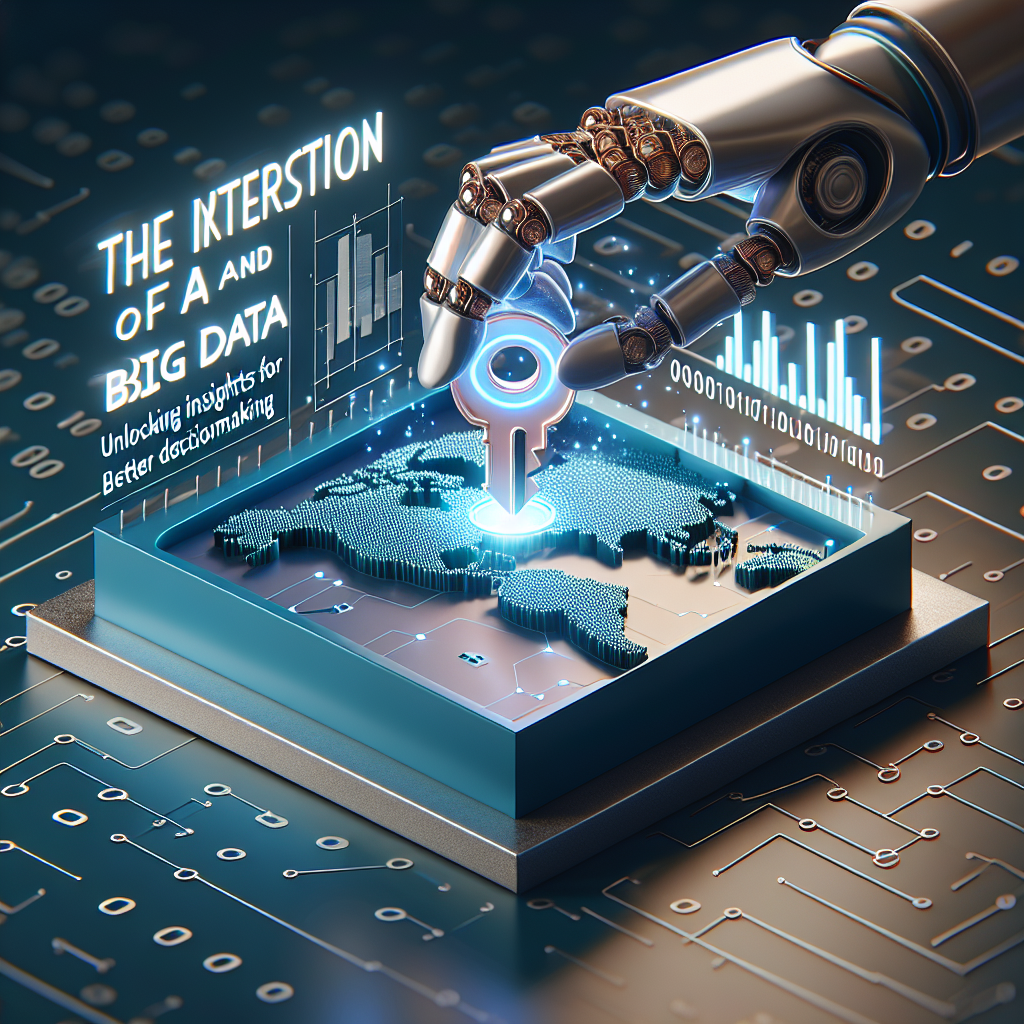
The Intersection of AI and Big Data: Unlocking Insights for Better Decision-Making
In today’s rapidly evolving digital landscape, the convergence of artificial intelligence (AI) and big data is revolutionizing the way businesses operate. This intersection is crucial for organizations looking to enhance decision-making processes by extracting valuable insights from vast amounts of data.
Understanding AI and Big Data
Before delving deeper, it’s important to understand what we mean by AI and big data:
-
- Artificial Intelligence (AI): AI refers to the simulation of human intelligence in machines that are designed to think and learn. This encompasses various technologies such as machine learning, natural language processing, and computer vision.
-
- Big Data: Big data refers to extremely large datasets that cannot be analyzed using traditional data processing software. This data can be structured, semi-structured, or unstructured, and its volume, velocity, and variety pose significant challenges in data management.
The Role of AI in Analyzing Big Data
The synergy of AI and big data can lead to powerful outcomes:
-
- Data Analysis: AI algorithms can process and analyze large datasets quickly and efficiently, uncovering patterns and trends that would be impossible for humans to discern manually.
-
- Predictive Analytics: By learning from historical data, AI models can make predictions about future outcomes, helping businesses to anticipate market trends and consumer behavior.
-
- Operational Efficiency: AI can automate data analysis processes, freeing up human resources for higher-level tasks and reducing the time needed to derive insights.
Unlocking Insights for Better Decision-Making
The integration of AI with big data not only enhances the speed of analysis but also improves the quality of insights, leading to informed decision-making:
-
- Real-Time Insights: Businesses can leverage AI to analyze data in real-time, allowing for immediate adjustments and strategies based on current trends.
-
- Enhanced Customer Experience: Analyzing consumer data through AI can provide personalized experiences, tailoring products and services to individual preferences.
-
- Improved Risk Management: AI can help organizations identify potential risks by analyzing large datasets, enabling proactive measures to mitigate threats.
Challenges in the Integration of AI and Big Data
While the benefits are significant, organizations face challenges when integrating AI with big data:
-
- Data Quality: Poor data quality leads to inaccurate insights. Ensuring the integrity of data is crucial for effective AI applications.
-
- Skill Gap: There is often a shortage of professionals with the expertise to analyze big data using AI, making it difficult for companies to fully harness these technologies.
-
- Security and Privacy: Handling large datasets raises concerns about data security and privacy, necessitating robust measures to protect sensitive information.
Conclusion
As the world becomes increasingly data-driven, the intersection of AI and big data will continue to unlock insights that foster better decision-making. Organizations that successfully integrate these technologies stand to gain a competitive edge, making them more agile, innovative, and responsive to changing market dynamics.