


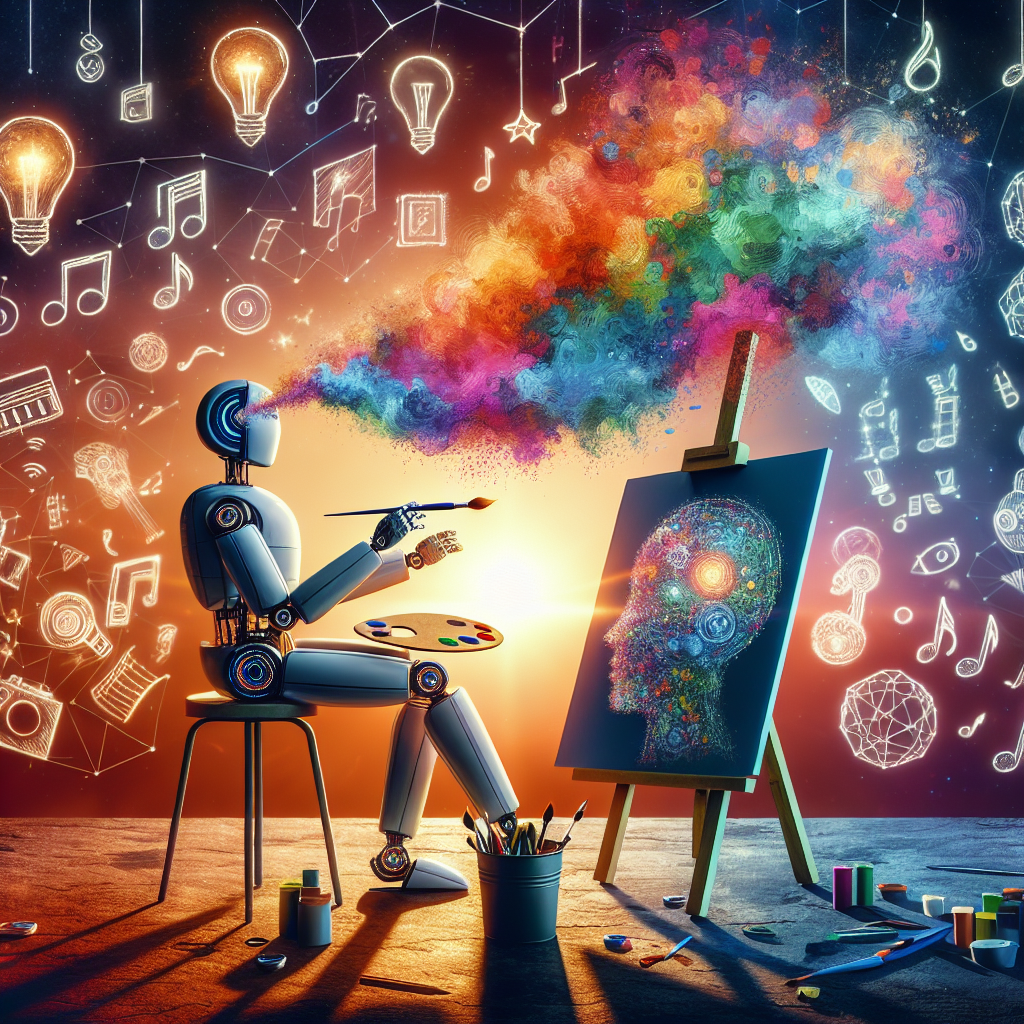
Is AI Creativity the Next Frontier?
Exploring Machines that Create
Introduction
In recent years, artificial intelligence (AI) has made significant strides in various fields, from healthcare to finance. However, one of the most intriguing areas of development is AI’s ability to create. Is AI creativity really the next frontier? This article dives into the machines that create art, music, literature, and more, exploring their potential and the philosophical implications of their existence.
The Rise of Creative AI
AI systems that generate creative content have gained widespread attention. Programs like OpenAI’s GPT-3 and DALL-E can produce text and images that often rival human creativity. These systems leverage vast amounts of data and sophisticated algorithms to generate new ideas and content.
AI in the Arts
AI is influencing various art forms. In the world of painting, algorithms can analyze existing works and create unique pieces that challenge traditional notions of creativity. Musicians are harnessing AI to compose original scores, while authors experiment with AI-generated stories. These advancements raise questions about authorship and the essence of creativity itself.
The Technology Behind AI Creativity
The technology driving AI creativity often relies on neural networks, particularly generative adversarial networks (GANs). These systems learn patterns from existing data and use them to create new content. The results can be astonishingly human-like, blurring the lines between machine-generated and human-created art.
Challenges and Concerns
Despite the advancements, AI creativity is not without its challenges. Concerns about copyright, originality, and the potential for misuse are prevalent. As AI continues to produce creative content, questions arise about the value of human creativity and the ethical implications of machines that can create.
Philosophical Implications
AI creativity pushes us to reconsider our understanding of creativity itself. What does it mean to be creative? Can machines possess creativity, or is it an inherently human trait? These questions compel us to explore the philosophical dimensions of creativity, intelligence, and consciousness.
The Future of AI Creativity
The future of AI in creative fields is promising. As technology evolves, we may witness unprecedented collaborations between humans and machines. New forms of art and expression could emerge, reshaping our cultural landscape. However, the path forward requires thoughtful consideration and responsible implementation.
Conclusion
AI creativity represents a fascinating frontier in technology. As machines continue to create, they challenge our perceptions of art and creativity. Embracing this change while addressing the accompanying ethical dilemmas is crucial. Ultimately, AI creativity may not only transform industries but also deepen our understanding of what it means to be human in an increasingly digital world.