


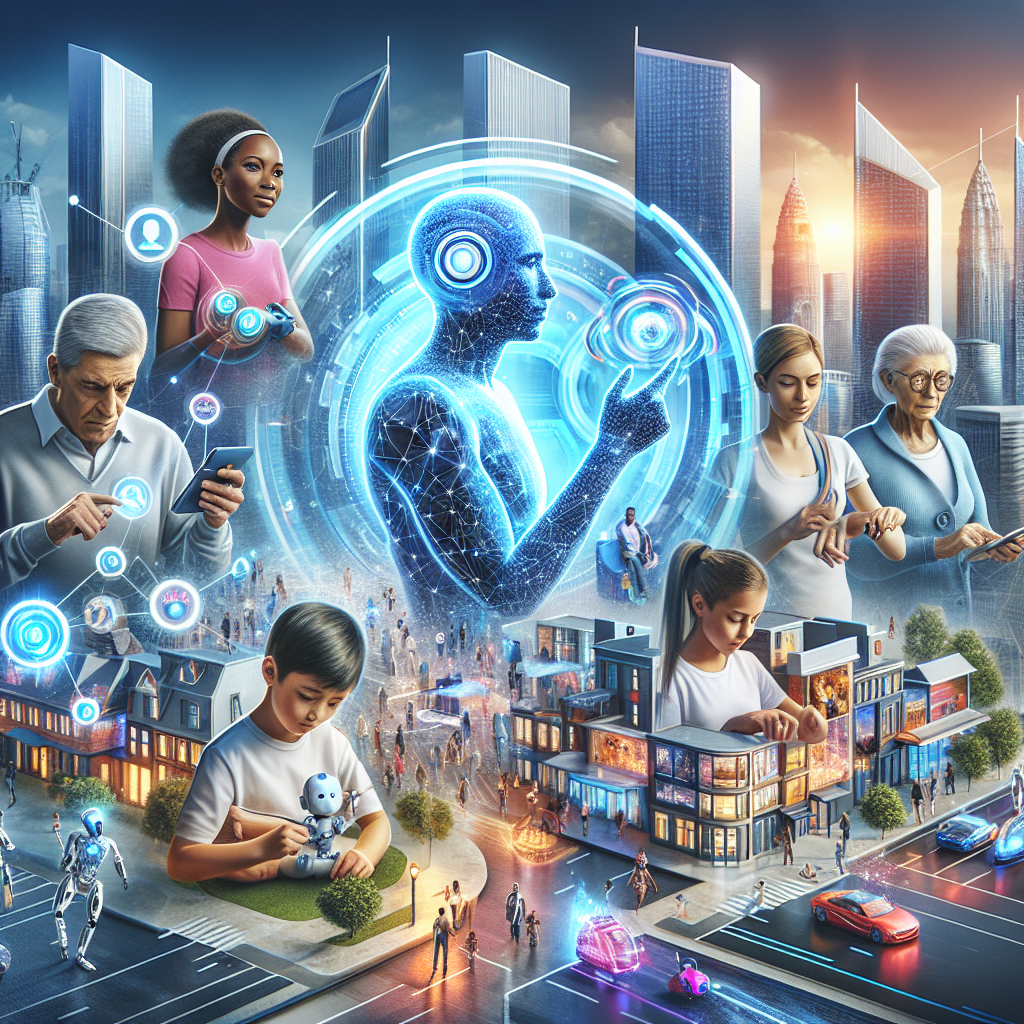
The Future is Here: How AI is Transforming Everyday Life
Artificial Intelligence (AI) has rapidly evolved from a futuristic concept into a tangible asset transforming our daily lives. From smart home devices to personalized digital assistants, AI is not just an emerging technology; it’s an integral part of our daily routines. This article explores the various dimensions of AI’s impact on our everyday life.
1. Smart Homes and Home Automation
In recent years, the concept of smart homes has gained immense popularity. AI-powered devices and systems allow homeowners to automate daily tasks, making life more convenient. Consider the following:
-
- Smart Assistants: Devices like Amazon Echo and Google Home can control lighting, temperature, and even play music—all with voice commands.
-
- Security Systems: AI-driven security solutions help in monitoring your home with real-time alerts and video feeds.
-
- Energy Efficiency: Smart thermostats learn user patterns to optimize energy consumption, thereby saving money.
2. Personalized Shopping Experiences
The retail landscape has dramatically shifted thanks to AI. Today, AI algorithms collect data on consumer behaviors and preferences to deliver personalized shopping experiences:
-
- Product Recommendations: Websites like Amazon use AI to analyze your browsing history and suggest products tailored to your preferences.
-
- Virtual Try-Ons: AI technology allows consumers to try on clothes and accessories virtually via augmented reality, enhancing the online shopping experience.
-
- Chatbots: AI-driven chatbots provide instant customer service, answering questions and assisting users around the clock.
3. Healthcare Innovations
The healthcare industry is witnessing a revolution with AI technologies. These innovations are not only improving patient care but also streamlining operational efficiencies:
-
- Diagnostics: AI algorithms can analyze medical images and data to assist doctors in diagnosing ailments more accurately.
-
- Telemedicine: AI chatbots enable health consultations via messaging services, providing immediate medical advice.
-
- Patient Monitoring: Wearable devices that utilize AI track vital signs, alerting healthcare providers to potential emergencies.
4. Enhancing Education
AI is shaping the future of education through personalized learning experiences and administrative efficiency:
-
- Adaptive Learning Platforms: These platforms tailor educational content based on individual learning speeds and comprehension levels.
-
- Automated Grading: AI can help educators save time by grading tests and assignments quickly and consistently.
-
- Virtual Tutors: AI-powered tutors provide students with additional support outside of classroom hours, reinforcing learning.
5. Transportation and Mobility
AI is also impacting the way we move around cities, introducing innovative solutions to transportation:
-
- Autonomous Vehicles: Self-driving cars, powered by sophisticated AI algorithms, promise safer and more efficient road travel in the near future.
-
- Traffic Management: AI systems optimize traffic flow and reduce congestion by analyzing real-time data from vehicles and sensors.
-
- Ridesharing Services: AI algorithms match riders with drivers, ensuring quick and efficient transportation solutions.
Conclusion
The integration of AI into our daily lives is set to deepen in the coming years. While AI brings a plethora of benefits, it also raises questions about job displacement and ethical considerations. However, by understanding and adapting to these changes, we can harness AI’s potential to enhance our quality of life. The future is indeed here, and it is powered by artificial intelligence.