


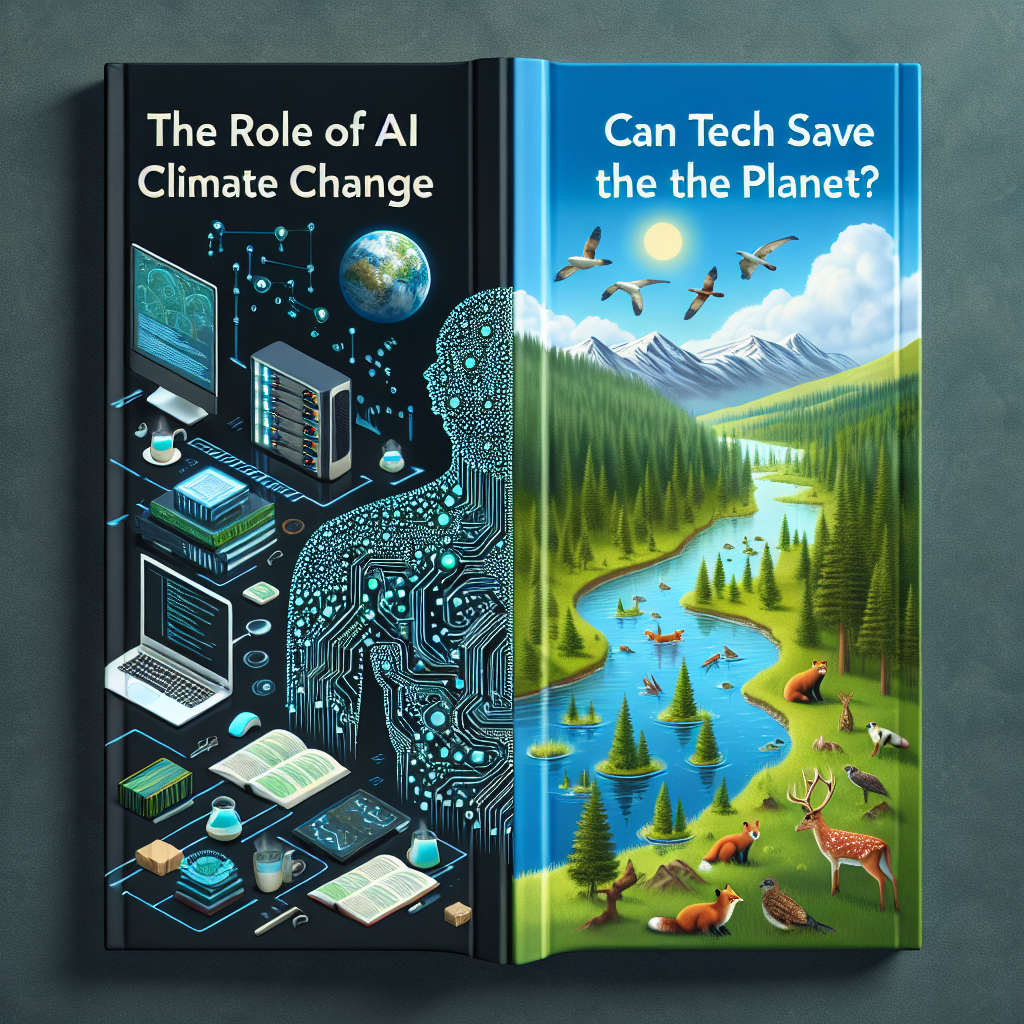
The Role of AI in Climate Change: Can Tech Save the Planet?
Introduction
Climate change is one of the most pressing challenges of our time, threatening ecosystems, food security, and human health. As the world grapples with rising temperatures, extreme weather events, and shifting climate patterns, innovative solutions are urgently needed. Artificial Intelligence (AI) has emerged as a key player in the fight against climate change, offering tools to enhance sustainability, optimize resource usage, and drive transformational change.
The Promise of AI in Climate Solutions
1. Data Analysis and Climate Modeling
AI excels at processing vast amounts of data quickly and efficiently. In climate science, AI can improve climate modeling by identifying patterns and predicting future climate scenarios. This helps policymakers make informed decisions and implement effective climate strategies.
2. Renewable Energy Optimization
AI algorithms can optimize energy production from renewable sources such as solar and wind. By predicting energy demand and adjusting output accordingly, AI contributes to a more reliable and efficient energy grid, reducing reliance on fossil fuels.
3. Carbon Footprint Reduction
From optimizing supply chains to improving energy efficiency in buildings, AI can significantly reduce carbon footprints. Companies are increasingly using AI to streamline operations and identify areas for sustainability improvements.
Real-World Applications of AI
1. Smart Agriculture
AI is revolutionizing farming practices through precision agriculture. By analyzing soil data, weather patterns, and crop health, AI can help farmers make sustainable decisions that reduce resource waste and increase yield.
2. Climate Monitoring and Response
AI technologies are being employed to monitor climate changes in real-time. Systems powered by AI can detect changing weather patterns, natural disasters, and biodiversity loss, enabling quicker responses to environmental crises.
3. Urban Planning and Smart Cities
AI contributes to the development of smart cities that prioritize sustainability. By analyzing traffic patterns and energy consumption, AI can help design urban areas that reduce congestion and lower carbon emissions.
Challenges Ahead
While AI offers promising solutions, several challenges remain. These include data privacy concerns, the need for extensive computational resources, and the potential for AI to exacerbate disparities if not implemented equitably. Addressing these challenges will be crucial to fully harnessing AI’s potential in combating climate change.
Conclusion
AI presents a unique opportunity to lead the way in innovative approaches to climate change. By leveraging technology responsibly and collaboratively, we can work towards a sustainable future. The fight against climate change requires collective action, and with the help of AI, it is possible to mitigate its effects and pave the way for a healthier planet.