


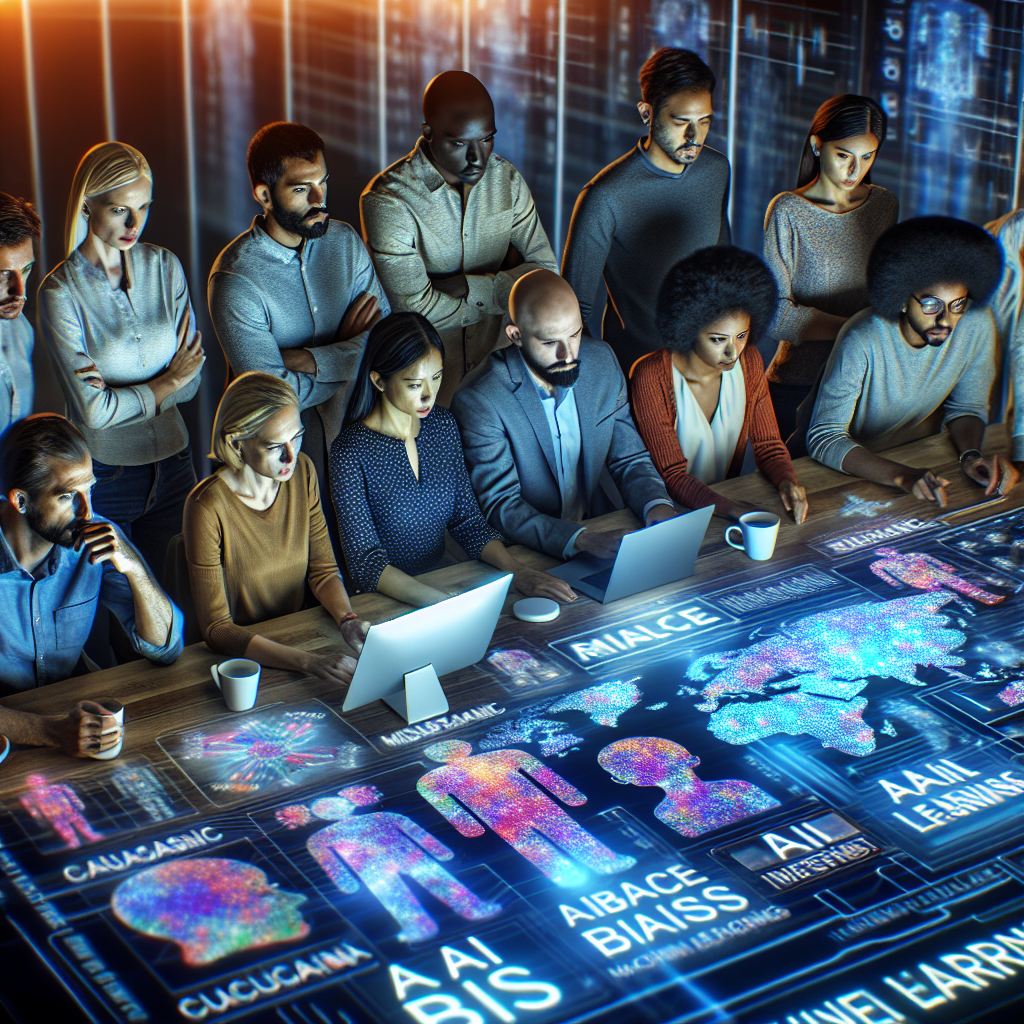
Unerstanding AI Bias: Ensuring Fairness in Machine Learning
Artificial Intelligence (AI) and machine learning (ML) have seen rapid advancements and adoption across various sectors. While these technologies hold immense potential, they also pose significant challenges, especially concerning bias and fairness. Understanding AI bias is crucial for creating systems that are equitable and just.
What is AI Bias?
AI bias occurs when algorithmic outcomes are prejudiced due to unfair assumptions in the machine learning process. This can result from:
-
- Data Bias: Biased datasets lead to biased models. For instance, if a facial recognition system is predominantly trained on images of one demographic, it may perform poorly on individuals outside that group.
-
- Algorithmic Bias: Certain algorithms may favor specific outcomes over others, sometimes unintentionally amplifying existing societal biases.
-
- Human Bias: Biases from developers or industry stakeholders can seep into the AI design, causing skewed outcomes.
Implications of AI Bias
The implications of unaddressed AI bias are profound:
-
- Discrimination: Biased AI can reinforce stereotypes and discrimination, leading to unfair treatment of individuals based on race, gender, economic status, and more.
-
- Loss of Trust: If users perceive AI systems as biased or unfair, it can erode trust in technology and the organizations deploying it.
-
- Legal and Ethical Consequences: Organizations may face legal challenges and ethical dilemmas stemming from biased outcomes, affecting their credibility and operations.
Ensuring Fairness in Machine Learning
To combat AI bias and promote fairness, organizations can adopt several strategies:
-
- Diverse Data Collection: Ensure datasets are representative of all demographic groups. This can help reduce data bias significantly.
-
- Bias Detection Tools: Implement tools and frameworks that can analyze models for bias and guide rectification methodologies.
-
- Transparent Algorithms: Encourage transparency in algorithmic decision-making to allow for scrutiny and understanding of how outcomes are derived.
-
- Inclusive Development Teams: Build diverse teams in terms of gender, race, and background to minimize unconscious bias in AI development.
-
- Continuous Monitoring: Regularly assess and update models to ensure they adapt to changes in society and remain fair over time.
The Future of Fair AI
As AI continues to evolve, addressing bias will be paramount. Organizations, policymakers, and AI developers must collaborate to establish guidelines and standards that ensure fairness in AI systems. A collective effort will lead to technology that reflects our shared values and fosters a just society.
More related updates, Click Here