

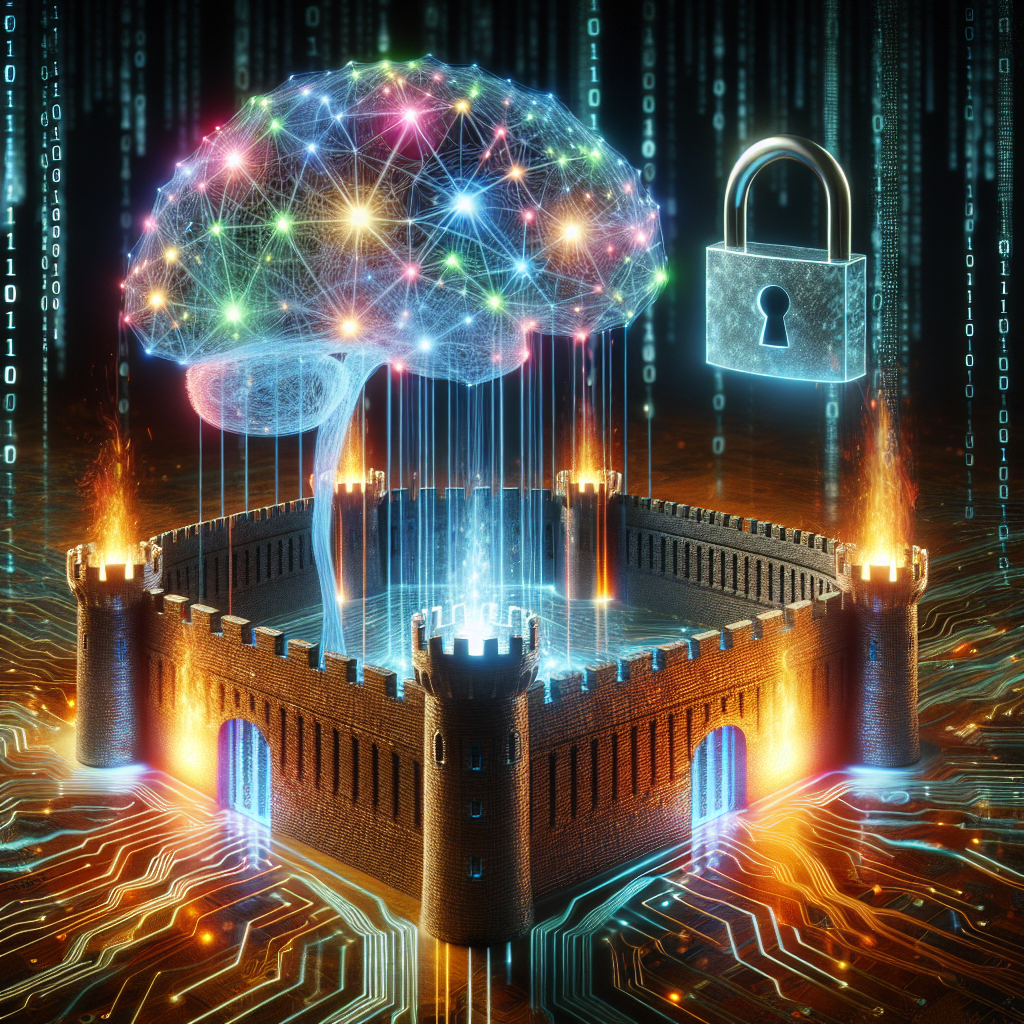
The Intersection of AI and Cybersecurity: Protecting Our Digital Future
Published on: [Date Here]
Introduction
As we continue to rely on technology for both personal and professional endeavors, the importance of robust cybersecurity measures has never been more pronounced. Cyber threats are becoming increasingly sophisticated, making traditional security methods insufficient. This is where Artificial Intelligence (AI) comes into play, offering a new paradigm in tackling these challenges.
The Role of AI in Cybersecurity
AI technologies, particularly machine learning and deep learning, are transforming the landscape of cybersecurity. By leveraging vast amounts of data, AI can help identify patterns and anomalies that may indicate security breaches. Here are some significant ways AI is enhancing cybersecurity:
- Threat Detection: AI algorithms can analyze network traffic and user behavior, allowing for real-time identification of suspicious activities.
- Automated Response: AI can trigger automatic responses to threats, minimizing damage and reducing the need for human intervention.
- Predictive Analysis: With the ability to forecast potential vulnerabilities, organizations can proactively strengthen their defenses before breaches occur.
- Phishing Detection: AI systems can identify and flag phishing attempts, helping to protect sensitive information from cybercriminals.
Challenges and Concerns
Despite its potential benefits, the integration of AI in cybersecurity is not without challenges. Companies must address various issues:
- Data Privacy: Using AI requires access to large datasets, raising concerns about user privacy and data protection.
- False Positives: AI systems may generate false alarms, leading to alert fatigue among security teams.
- Adversarial Attacks: Hackers can potentially manipulate AI systems, creating a need for constant updates and improvements.
- Skill Gap: The cybersecurity workforce faces a skills shortage, making it challenging to implement and manage AI-driven solutions effectively.
The Future of AI in Cybersecurity
As cyber threats evolve, so too must our defenses. The future of AI in cybersecurity is promising but requires collaboration among businesses, governments, and technology developers to maximize its potential. Some emerging trends include:
- Collaborative AI: AI systems will work in tandem with human analysts, providing insights and analyses that enhance decision-making.
- Continuous Learning: AI systems will continually adapt and learn from new threats, becoming more effective over time.
- Enhanced User Education: Organizations will increasingly focus on training employees to understand and utilize AI tools for better security practices.