

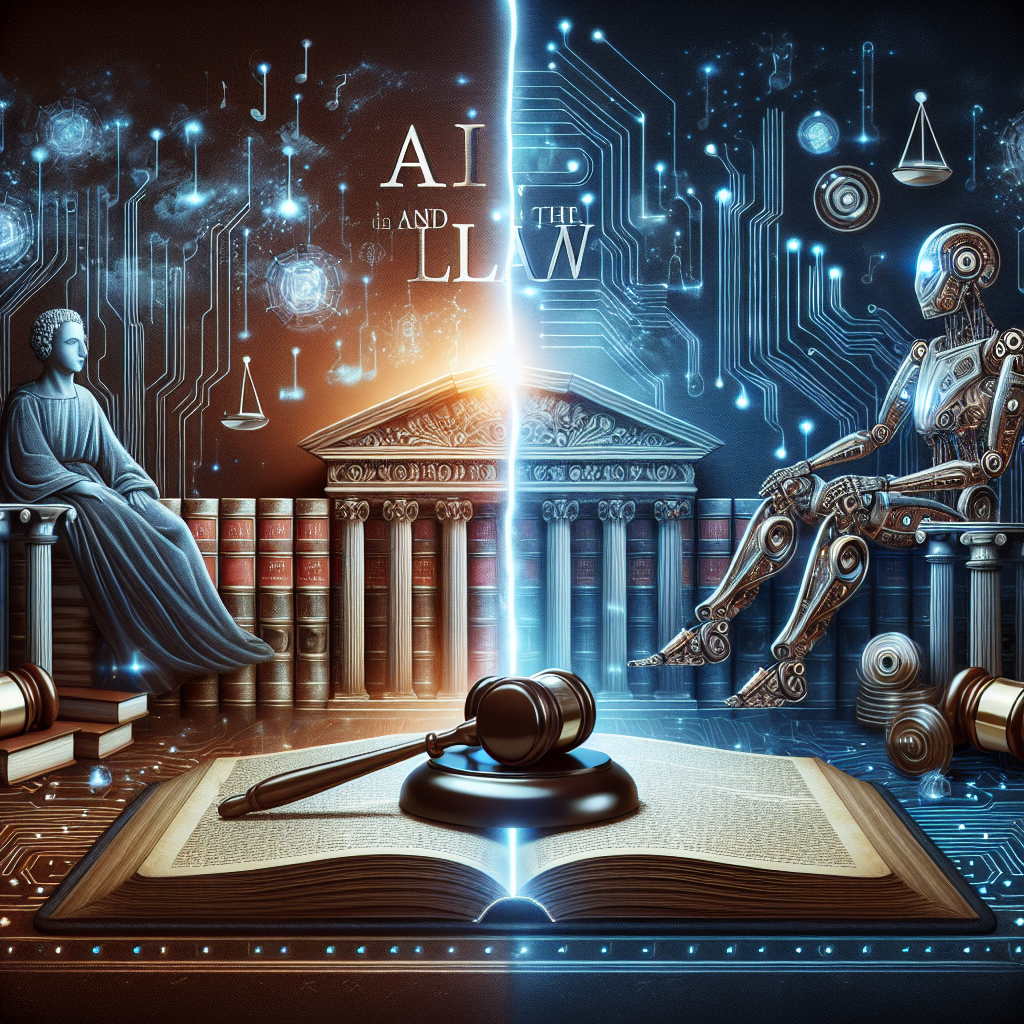
AI and the Law: Legal Challenges in an Automated World
Introduction
The advent of artificial intelligence (AI) has revolutionized various sectors, including healthcare, finance, and manufacturing. However, one domain where its impact is profoundly felt is in the field of law. As AI technology continues to evolve, so too do the legal challenges that arise from its implementation. This article explores some of the most pressing legal issues that confront society in an increasingly automated world.
Intellectual Property Rights
One of the foremost legal challenges posed by AI concerns intellectual property (IP) rights. As AI begins to create music, art, and even literature, questions arise about who owns the creations. For example, if an AI generates a painting, is the creator the programmer, the user, or the AI itself? Current IP laws do not sufficiently address these questions, creating a significant legal gray area.
Copyright Issues
Copyright law traditionally grants rights to human authors, but as AI-generated works become more prevalent, lawmakers must consider updates to these laws to protect creators and foster innovation.
Liability Concerns
Another major legal challenge lies in the area of liability. If an AI system makes a mistake—such as a self-driving car involved in an accident—determining liability can be complex. Should the responsibility fall on the manufacturer, the programmer, or the owner of the vehicle? As these technologies become more widespread, establishing clear guidelines for liability is essential.
Privacy and Data Protection
The use of AI often involves substantial data collection and analysis, which raises significant privacy concerns. Laws such as the General Data Protection Regulation (GDPR) in Europe impose strict requirements on how personal data is stored and processed. Companies leveraging AI must ensure compliance to avoid penalties and protect individual privacy rights.
Data Breaches
Data breaches involving sensitive information can lead to severe legal repercussions. As businesses increasingly adopt AI solutions, they must prioritize robust data security measures to mitigate risks.
Ethical Considerations
Beyond legal challenges, ethical considerations play a crucial role in the deployment of AI. Issues such as bias in algorithms and transparency in AI decision-making processes are critical not just for legal compliance but also for maintaining public trust. Legal frameworks will need to evolve alongside technological advancements to ensure that ethical standards are upheld.
Conclusion
The intersection of AI and law presents a myriad of challenges that require careful consideration and proactive planning. As we further embrace an automated world, lawmakers, legal professionals, and technologists must work collaboratively to create frameworks that address these challenges. The evolution of AI will not only reshape industries but also redefine legal boundaries in the years to come.