


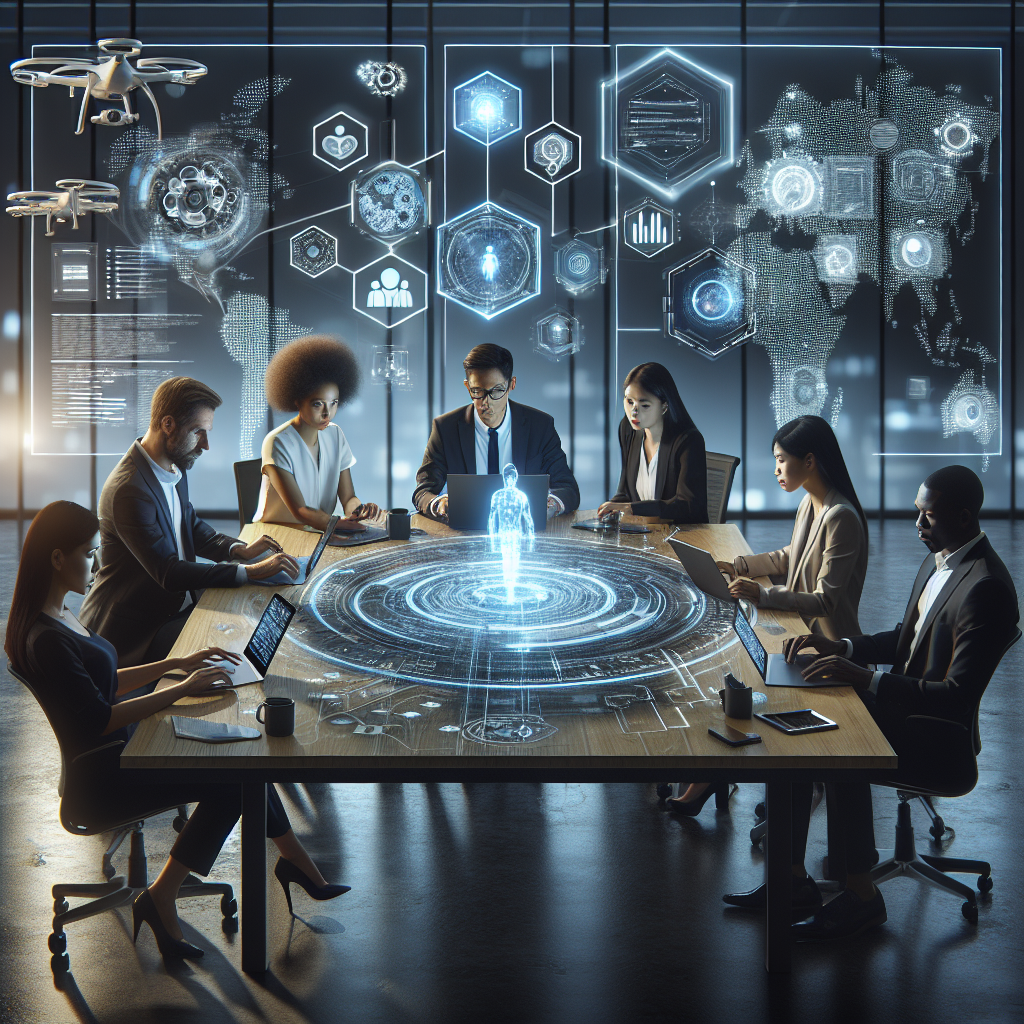
Human-AI Collaboration: Enhancing Skills in the Workforce
The advent of artificial intelligence (AI) has transformed various sectors, but one of the most promising
developments is its ability to collaborate with humans, enhancing skills and productivity in the workforce.
This partnership paves the way for innovative solutions, improved efficiency, and expanded opportunities for
professional growth.
The Nature of Human-AI Collaboration
Human-AI collaboration refers to the seamless interaction between human intelligence and artificial
intelligence, allowing them to complement each other’s strengths. AI can process data at incredible speeds,
while humans bring creativity, emotional intelligence, and tenacity to the table. This synergy
transforms how tasks are completed and can lead to better decision-making, faster problem-solving, and more
personalized services.
Enhancing Behavioral Skills
One significant advantage of integrating AI into the workforce is its ability to augment behavioral skills.
Employees can leverage AI tools to enhance communication, teamwork, and critical thinking skills. For example,
AI-driven analytics can provide insights into team dynamics, helping individuals understand their roles and
improve collaboration. Furthermore, AI-powered training platforms can adapt to individual learning paces,
allowing workers to develop new skills more effectively.
Redefining Job Roles
As the workforce evolves, so do job roles. Many positions will be augmented rather than replaced by AI.
For instance, data analysis roles may evolve into strategic positions where humans interpret AI-generated data
for informed decision-making. This transition encourages workers to develop skills that complement these AI
tools, such as advanced analytical capabilities and strategic thinking, thus enhancing their value in the job
market.
Continuous Learning and Development
The rapid pace of technological advancement requires ongoing education. Organizations investing in AI
technologies also need to invest in workforce training. This means offering continuous learning platforms,
workshops, and mentorship programs focused on both AI literacy and fundamental skills development. This
commitment not only benefits the employees but also enhances organizational adaptability in a changing
landscape.
Challenges to Consider
While the potential for enhancement through human-AI collaboration is significant, certain challenges must
be addressed. There is often resistance to change, fears about job displacement, and ethical concerns
surrounding data privacy. Organizations must approach AI implementation thoughtfully, ensuring that workers
are educated, involved, and supported throughout the transition.
The Future of Work
As AI technology continues to evolve, its role within the workforce will likely grow. Embracing human-AI
collaboration is not just a necessity; it’s an opportunity for revitalization and growth. By fostering a
culture of cooperation between humans and AI, businesses can create a more resilient workforce equipped to
face future challenges and harness the full potential of these technologies.
In conclusion, the future of work will be defined by how effectively humans and AI can collaborate. This
partnership can enhance skills, redefine roles, and create a more adaptable, innovative workforce. The key is
to approach the integration of AI thoughtfully, ensuring that all employees are prepared for the changes
ahead.