


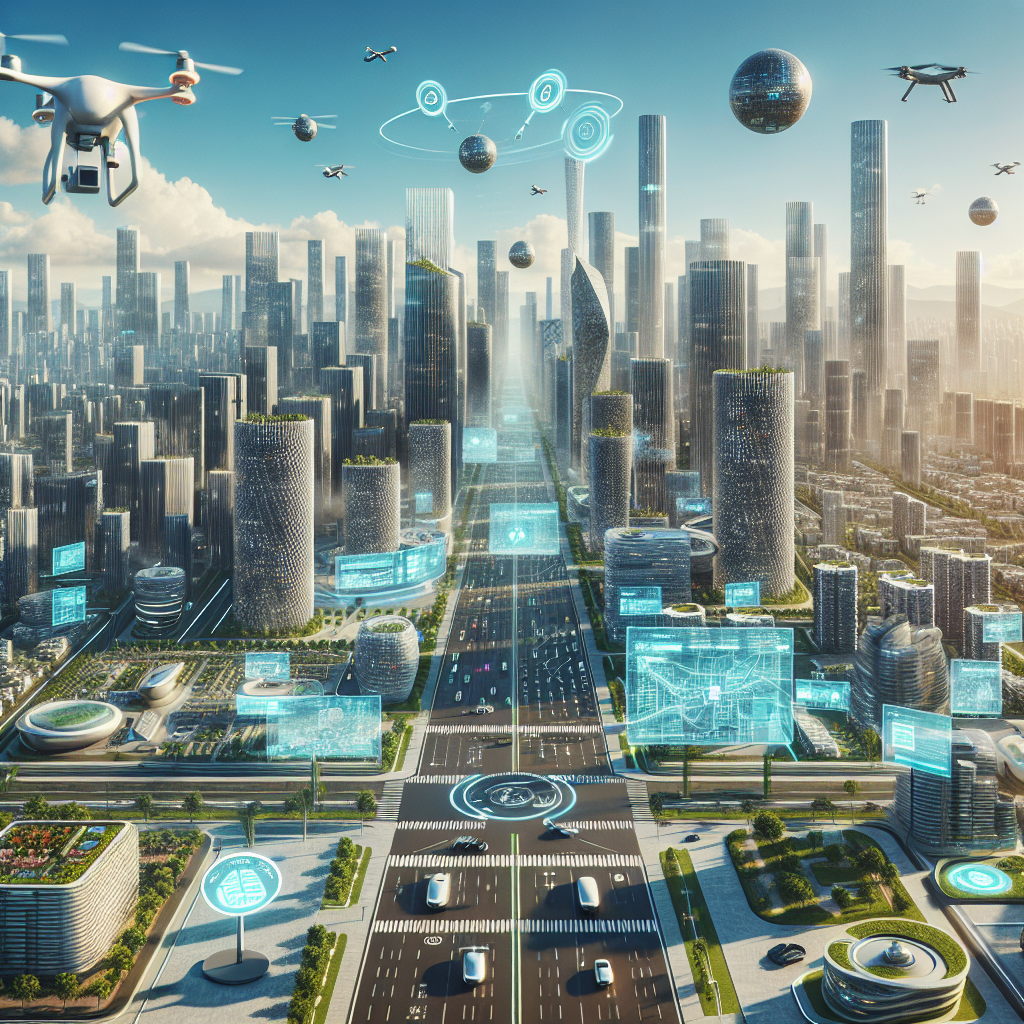
Smart Cities: Integrating AI for Urban Development
As urban populations continue to swell, cities face unprecedented challenges, from traffic congestion to inadequate resources. The concept of “smart cities” has emerged as a revolutionary approach to urban development, leveraging technology and innovation to improve the quality of life for residents. At the heart of this transformation is artificial intelligence (AI), which plays a pivotal role in optimizing city management and enhancing citizen engagement.
What are Smart Cities?
Smart cities utilize digital technology to enhance performance, efficiency, and governance. They integrate various systems, including transportation, water supply, energy, and waste management, to create a seamless urban environment. The ultimate goal is to foster sustainable urban living, reduce resource consumption, and improve the overall citizen experience.
The Role of AI in Smart Cities
AI applications in smart cities range from data analysis to automated systems. Here are several critical areas where AI has a significant impact:
-
- Traffic Management: AI algorithms analyze real-time traffic data to optimize traffic signals, reducing congestion and improving commute times.
-
- Public Safety: AI-driven surveillance systems can detect unusual activities and alert authorities, enhancing security measures in urban areas.
-
- Waste Management: Smart bins equipped with sensors use AI to monitor waste levels, optimizing collection routes and schedules.
-
- Energy Efficiency: AI systems can predict energy usage patterns, enabling better management of resources and reducing energy waste.
-
- Citizen Engagement: AI-powered chatbots and platforms facilitate communication between citizens and local governments, allowing for efficient feedback mechanisms.
Benefits of AI Integration
Integrating AI into urban planning and management offers a wide range of benefits:
-
- Enhanced Decision-Making: Data-driven insights allow city planners and officials to make informed decisions based on real-time information.
-
- Sustainability: AI initiatives contribute to sustainable practices, reducing waste and enhancing resource management.
-
- Improved Quality of Life: With better transportation, safety, and resources, residents enjoy an improved urban experience.
-
- Economic Growth: Investment in smart technologies can attract businesses, fostering economic development and job creation.
Challenges and Considerations
Despite its potential, the integration of AI in smart cities is not without challenges:
-
- Data Privacy: The collection and analysis of vast amounts of data raise concerns regarding personal privacy.
-
- Infrastructure Costs: Implementing AI solutions often requires significant financial investment in infrastructure and technology.
-
- Equity: Ensuring that technological advancements benefit all residents, regardless of socio-economic status, is crucial for inclusive urban development.
The Future of Smart Cities
As the concept of smart cities continues to evolve, the role of AI will be paramount in shaping urban environments. Collaborative efforts among governments, technology providers, and communities will be essential to create cities that are not only smart but also resilient and inclusive. By harnessing the power of AI, we can pave the way for a sustainable urban future that caters to the needs of all citizens.