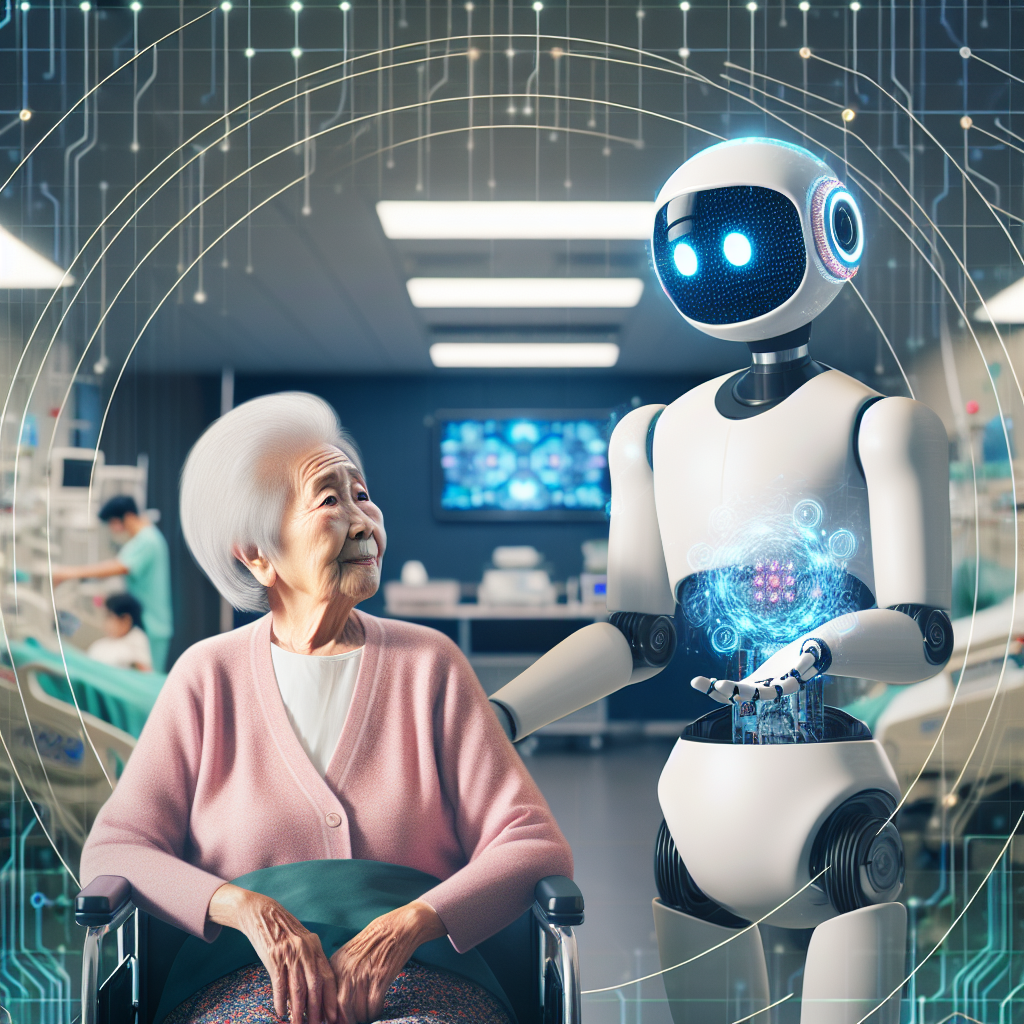
AI in Healthcare: Revolutionizing Patient Care One Algorithm at a Time
The advent of Artificial Intelligence (AI) has initiated a paradigm shift in numerous sectors, but few have been as profoundly affected as healthcare. From diagnostic algorithms to patient management systems, AI is poised to transform the landscape of patient care as we know it.
The Promise of AI in Healthcare
AI technology offers the ability to process vast amounts of data and identify patterns that may elude even the most seasoned healthcare professionals. Some key areas where AI is making significant contributions include:
-
- Predictive Analytics: By analyzing historical data, AI can predict patient outcomes and help in early diagnosis.
-
- Personalized Treatment Plans: AI algorithms can tailor treatments based on a patient’s genetic makeup and medical history.
-
- Operational Efficiency: AI streamlines administrative tasks, reducing paperwork and allowing healthcare professionals to focus more on patient care.
-
- Remote Patient Monitoring: AI-powered devices can monitor patients’ health in real-time and alert doctors to any concerning changes.
Transformative Applications of AI
Numerous applications of AI are already in practice, demonstrating its potential to revolutionize patient care:
1. Diagnostic Imaging
AI algorithms have shown impressive accuracy in analyzing medical images such as X-rays, MRIs, and CT scans. For instance, deep learning techniques can help detect abnormalities like tumors with high specificity and sensitivity.
2. Virtual Health Assistants
AI chatbots and virtual assistants are increasingly being employed to triage patients, providing information and support outside typical office hours. These tools can answer common health queries, schedule appointments, and even remind patients to take their medications.
3. Drug Discovery
The pharmaceutical industry benefits immensely from AI’s ability to analyze biological data and predict how different compounds might behave. This can drastically reduce the time and costs associated with bringing new drugs to market.
Challenges and Ethical Considerations
Despite the advantages, the integration of AI in healthcare does come with challenges:
-
- Data Privacy: Protecting patient data is paramount, requiring strict compliance with regulations such as HIPAA.
-
- Bias in Algorithms: AI systems are only as good as the data they are trained on. Biased data can lead to inequitable care.
-
- Acceptance by Healthcare Providers: Some practitioners may be skeptical of AI, fearing it could replace their roles rather than enhance their decision-making processes.
Conclusion
AI is already having a tremendous impact on healthcare, revolutionizing the diagnosis, treatment, and management of diseases. As technology continues to evolve, it will be essential for stakeholders to address ethical considerations and work collaboratively to ensure the successful integration of AI into everyday practice. The future of healthcare is undoubtedly intelligent, and with careful deployment, AI can lead to a healthier world.