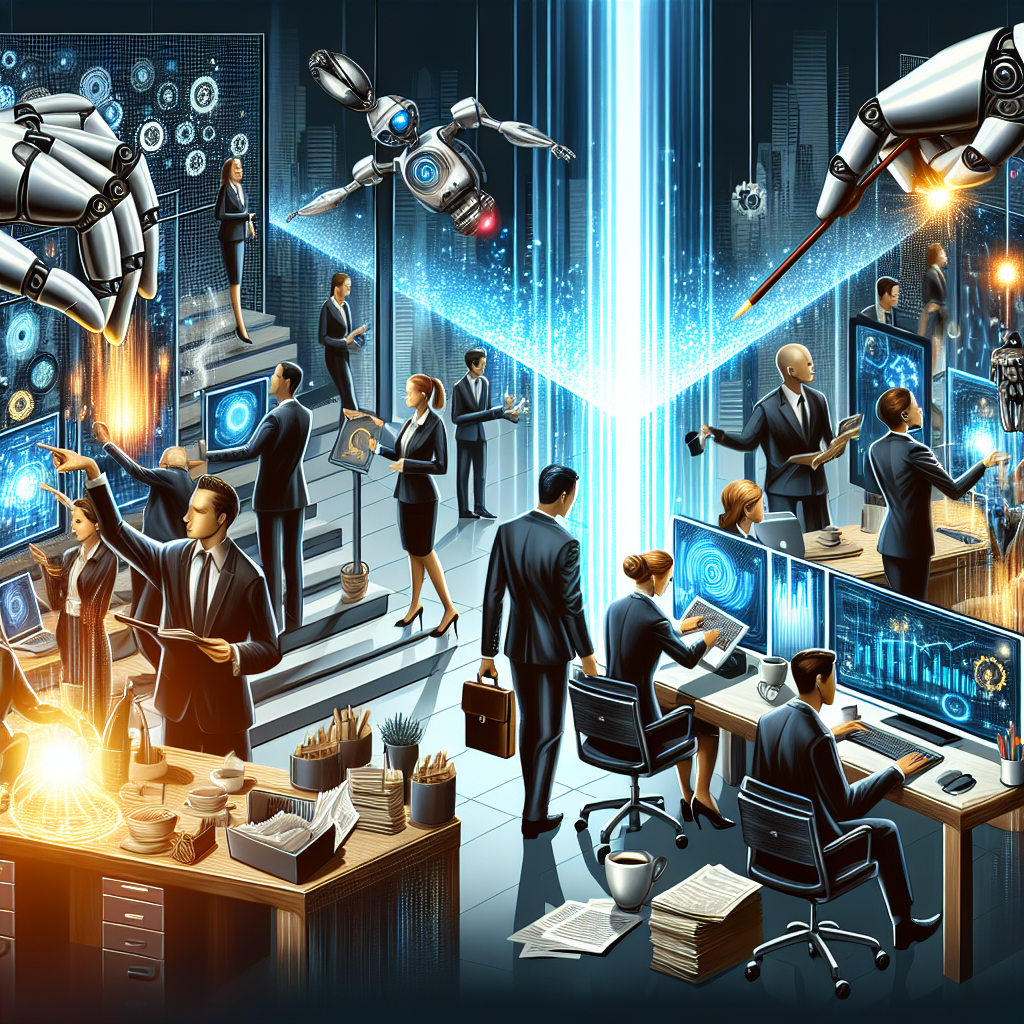
AI and the Workforce: Opportunities and Challenges Ahead
As artificial intelligence (AI) technologies continue to advance at an unprecedented pace, their integration into the workforce presents both exciting opportunities and significant challenges. The conversation surrounding AI’s impact on employment is vital as businesses and governments strive to adapt to the unfolding landscape.
Opportunities Presented by AI
AI has the potential to enhance productivity and innovation across various sectors. Here are some ways AI can create opportunities in the workforce:
-
- Increased Efficiency: AI systems can automate repetitive tasks, allowing employees to focus on more complex and creative aspects of their jobs.
-
- Job Creation: While AI may displace certain roles, it can also lead to the creation of new jobs in fields such as AI development, data analysis, and AI ethics.
-
- Enhanced Decision-Making: With capabilities to analyze vast amounts of data, AI can assist human workers in making more informed decisions, ultimately improving business strategies.
-
- Personalization: AI can help companies better understand consumer behavior, allowing for more tailored services that enhance customer satisfaction.
Challenges to Consider
Despite the potential benefits, the rise of AI also poses considerable challenges to the workforce, including:
-
- Job Displacement: Many routine and manual jobs are at risk of being automated, leading to job losses in specific industries.
-
- Skill Gap: The rapid introduction of AI technologies requires the workforce to acquire new skills, resulting in a growing divide between those who can adapt and those who cannot.
-
- Economic Inequality: The benefits of AI might not be evenly distributed, potentially widening the gap between high-skilled and low-skilled workers.
-
- Ethical Concerns: The deployment of AI raises questions about privacy, data security, and bias in algorithms that can affect hiring practices and workplace dynamics.
The Path Forward
To harness AI’s potential while mitigating its challenges, several initiatives can be undertaken:
-
- Reskilling Programs: Governments and companies should invest in training programs to help workers transition into new roles that AI creates.
-
- Collaborative Approaches: Businesses should engage in partnerships with educational institutions to develop curricula that are aligned with emerging AI technologies.
-
- Inclusive Policies: Policymakers must ensure that the benefits of AI are broadly shared, addressing issues of equity and access.
-
- Ethical Frameworks: Establishing guidelines for responsible AI use can help manage ethical concerns and build public trust.
Conclusion
AI’s integration into the workforce is not a matter of if but when. As we stand on the verge of this technological revolution, it is essential to navigate the opportunities and challenges thoughtfully. By embracing innovation while ensuring that the workforce is prepared for the changes ahead, we can foster a future where AI serves as a complement to human capabilities rather than a replacement.