


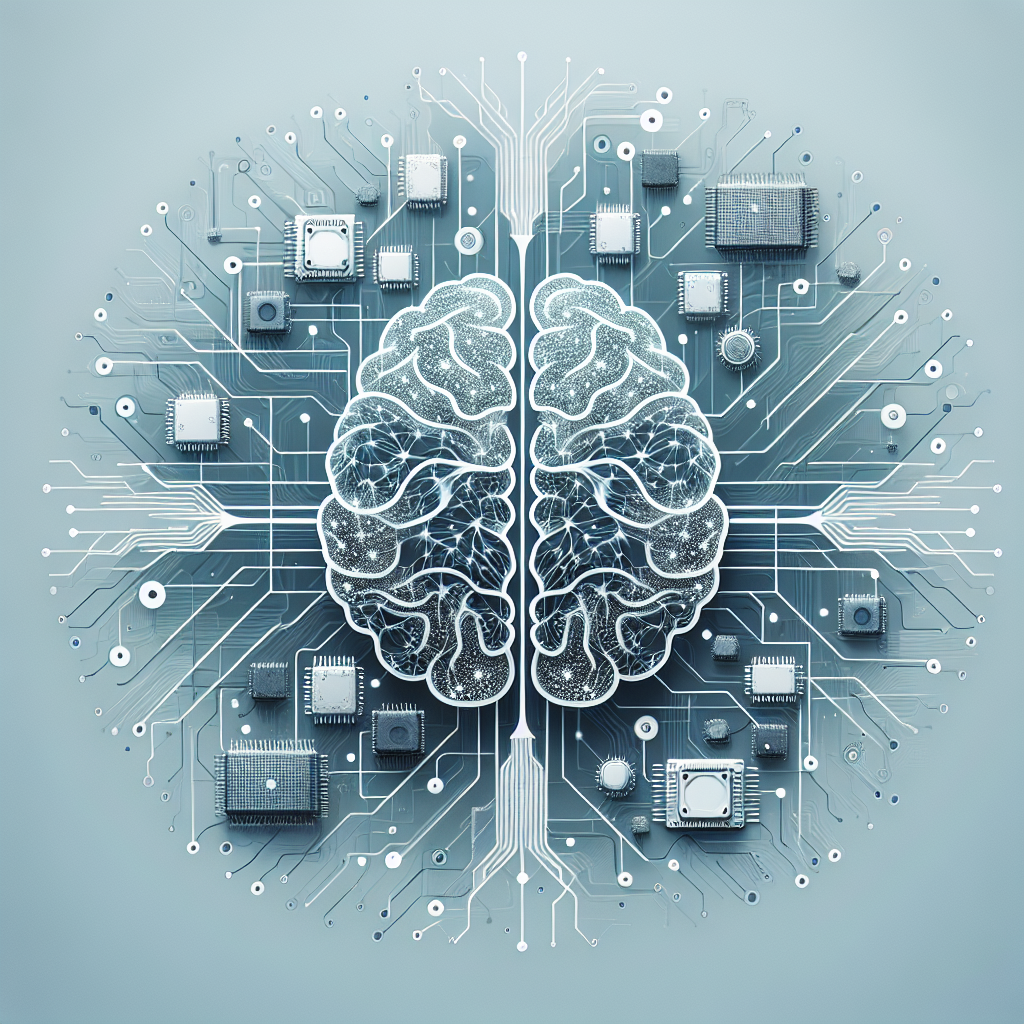
Understanding Neural Networks: The Brain Behind AI Technologies
Neural networks are a fundamental component of many modern artificial intelligence (AI) applications. Drawing inspiration from the human brain’s architecture, these networks enable machines to learn from data and make intelligent decisions. This article delves into the foundational concepts of neural networks, their structure, and their real-world applications.
What is a Neural Network?
A neural network consists of interconnected nodes or neurons that process data in layers. Each node performs a simple computation and passes its output to the next layer. The process of training a neural network involves adjusting the weights of these connections based on the error in the output, allowing the network to improve its performance over time.
Structure of Neural Networks
The basic structure of a neural network includes:
-
- Input Layer: This is where the network receives its input data.
-
- Hidden Layers: These layers sit between the input and output layers and perform various transformations on the input data. A network can have one or multiple hidden layers.
-
- Output Layer: This layer produces the final prediction or classification based on the computations from the previous layers.
How Neural Networks Learn
The learning process involves the following key steps:
-
- Feedforward: Data is passed through the network from the input layer to the output layer.
-
- Loss Calculation: The network’s output is compared to the actual target value to compute an error, often referred to as the loss.
-
- Backpropagation: The error is propagated back through the network, allowing the adjustment of weights to minimize the loss.
Applications of Neural Networks
Neural networks find applications in various fields, including:
-
- Image Recognition: Used in facial recognition, object detection, and medical imaging.
-
- Natural Language Processing: Powers chatbots, translation services, and sentiment analysis tools.
-
- Finance: Used for credit scoring, fraud detection, and algorithmic trading.
-
- Healthcare: Assists in predictive analytics, diagnostic imaging, and personalized medicine.
Challenges and Future of Neural Networks
Despite their success, neural networks come with challenges, such as the need for large datasets, potential for overfitting, and interpretability issues. However, ongoing research in areas like explainable AI and transfer learning is paving the way for more robust and transparent models.
Conclusion
Neural networks represent a paradigm shift in how machines learn and make decisions. By mimicking the structure and functioning of the human brain, these AI technologies have transformed numerous industries and continue to evolve, promising even greater advances in the future.