

Unlocking Creativity: How AI is Transforming Art and Music
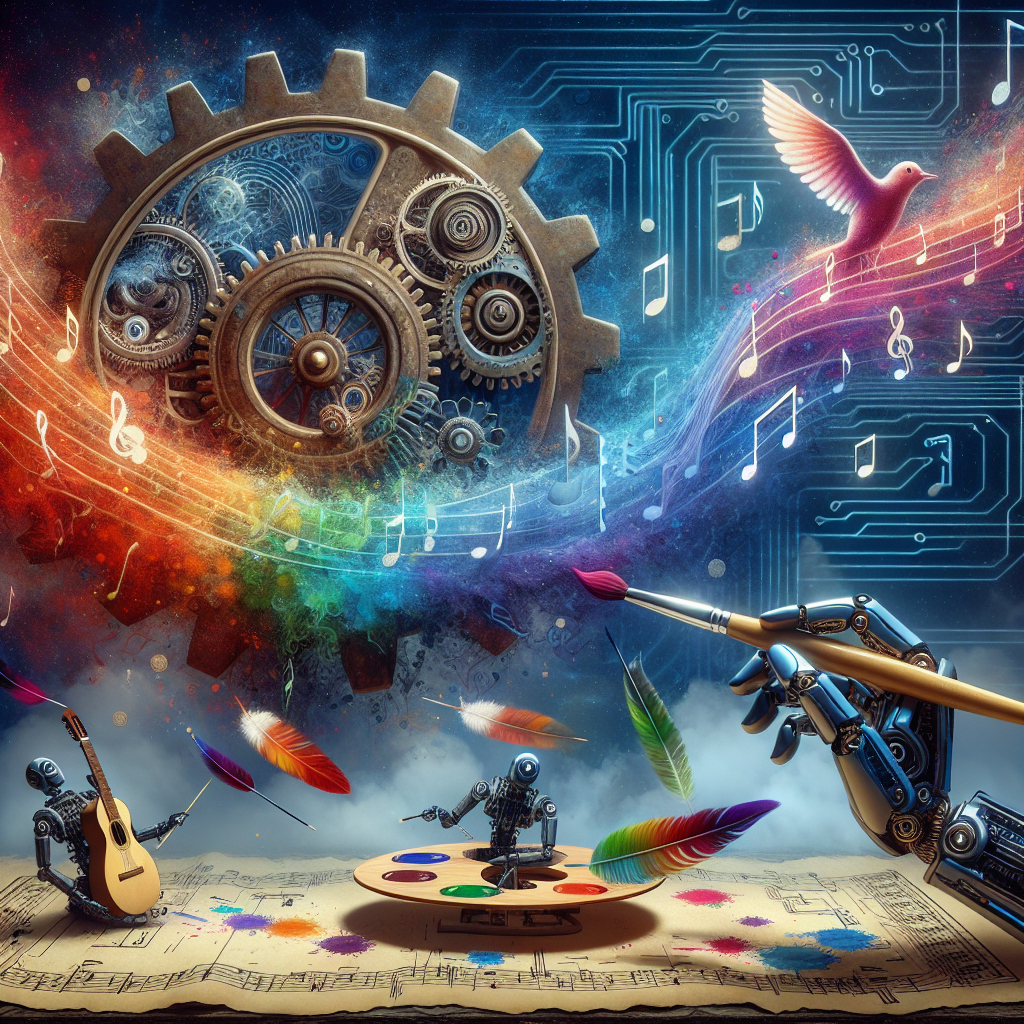
In recent years, artificial intelligence (AI) has made significant strides in various fields, and its influence on art and music is transforming the creative landscape. With advancements in machine learning and neural networks, AI is serving not only as a tool but also as a collaborative partner for artists and musicians. This article explores how AI is reshaping the realms of creativity and innovation.
The Rise of AI in Art
AI has become an invaluable asset for artists, offering innovative capabilities that enhance creativity. Tools such as DeepArt, DALL-E, and MidJourney utilize algorithms to generate images based on user-defined concepts or modify existing artworks. These platforms enable artists to explore new styles, experiment with various mediums, and push the boundaries of their creative potential.
New Mediums and Styles
One of the most exciting aspects of AI in art is the emergence of new artistic mediums. AI-generated art can produce unique styles that blend traditional techniques with modern aesthetics. Artists can collaborate with AI, guiding it to follow their vision while benefiting from the technology’s ability to generate endless variations of a single concept.
Democratizing Creativity
AI tools are also democratizing the art world. Individuals without formal training can create stunning visual works through user-friendly applications. This accessibility is fostering a new generation of aspiring artists and encouraging creative expression across social and economic backgrounds.
AI in Music Composition
Similar to the art world, AI is revolutionizing music composition. Tools like OpenAI’s MuseNet and AIVA (Artificial Intelligence Virtual Artist) assist musicians in generating melodies, harmonies, and entire compositions. These platforms analyze vast amounts of musical data to create pieces that resonate with a particular genre or style.
Collaboration Between Human and Machine
Musicians are increasingly viewing AI as a collaborative partner. By using AI-generated suggestions, artists can break through creative blocks, incorporate new sounds, and experiment with unconventional structures. This partnership extends beyond mere assistance; it fosters a dialogue between human creativity and machine learning.
Innovating Genres
AI’s ability to analyze and learn from various genres allows musicians to blend and innovate beyond traditional boundaries. The results can lead to completely new musical genres that would have been difficult to conceive without technological assistance.
Challenges and Ethical Considerations
Despite the numerous benefits of AI in the creative fields, challenges and ethical considerations arise. Issues related to copyright, intellectual property, and the authenticity of AI-generated art and music need to be addressed. As artists and musicians embrace AI, they must navigate these complexities to protect their work and ensure fair use of technologies.
Conclusion
AI is undeniably unlocking new realms of creativity in art and music, enabling artists and musicians to explore uncharted territories. While challenges persist, the potential for innovation, collaboration, and democratization of creativity offers exciting possibilities for the future. As we continue to integrate AI into the creative process, we may not only redefine what art and music can be but also discover new depths of human expression.