

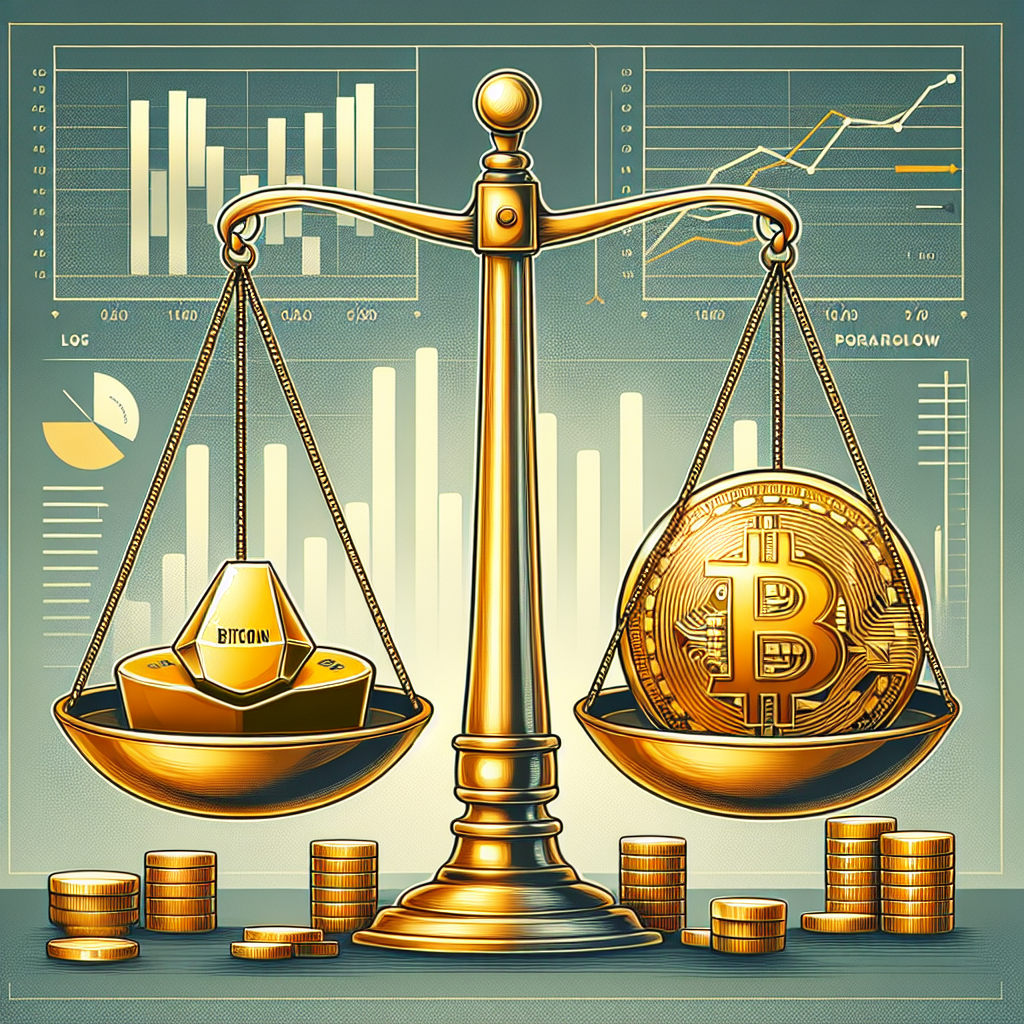
Is Bitcoin the New Gold? Analyzing its Role in Modern Portfolios
In recent years, the mantra “Bitcoin is the new gold” has gained traction among investors and financial experts. This assertion stems from Bitcoin’s characteristics as a finite resource and an alternative store of value. But is Bitcoin truly a viable substitute for gold? This article will delve into the characteristics of both assets and analyze Bitcoin’s role in modern investment strategies.
The Characteristics of Gold and Bitcoin
Gold and Bitcoin share some similarities, but their fundamental characteristics diverge in crucial ways:
- Scarcity: Gold has been valuable for centuries, with a finite amount available on Earth. Bitcoin, created by Satoshi Nakamoto in 2009, has a capped supply of 21 million coins, making it similarly scarce.
- Volatility: Bitcoin is notorious for its price volatility, often experiencing dramatic price swings in short periods. Gold, on the other hand, has historically been a more stable asset, though it is not immune to fluctuations.
- Liquidity: Bitcoin can be bought and sold 24/7 on various exchanges, potentially offering higher liquidity than gold, which is primarily traded during business hours.
- Utility: Gold has been used for jewelry and industrial applications for thousands of years, giving it intrinsic value. Bitcoin’s utility is largely linked to its role as a digital currency and a speculative investment.
Bitcoin as a Portfolio Diversifier
Investors are increasingly considering Bitcoin as a means to diversify their portfolios. Here are some reasons why:
- Hedge Against Inflation: Bitcoin has often been touted as a hedge against inflation, akin to gold. In times of economic uncertainty, both assets can serve as safe havens.
- High Returns Potential: Bitcoin’s historical price trajectory—although volatile—has produced substantial returns for early investors, making it appealing for growth-oriented portfolios.
- Low Correlation with Traditional Assets: Bitcoin’s price dynamics often do not correlate with stocks or bonds, which can help reduce overall portfolio risk.
Challenges and Risks of Bitcoin
Despite its potential, investing in Bitcoin comes with significant risks:
- Regulatory Risks: As governments and regulatory bodies catch up with the cryptocurrency market, potential regulations could impact Bitcoin’s adoption and value.
- Market Sentiment: Bitcoin’s value is heavily influenced by market sentiment, social media trends, and news cycles, making it susceptible to irrational behavior.
- Security Risks: While the Bitcoin network itself is secure, users face risks from hacks, scams, and the loss of private keys.
Conclusion
While Bitcoin shares some characteristics with gold, branding it as the “new gold” can be misleading. Bitcoin presents a unique opportunity and set of challenges that distinguish it from traditional safe-haven assets. For investors, its role in modern portfolios may serve as both an alternative investment and a speculative asset, depending on individual risk tolerance and investment strategy.