
NFTs and Beyond: How Blockchain is Changing the Art World
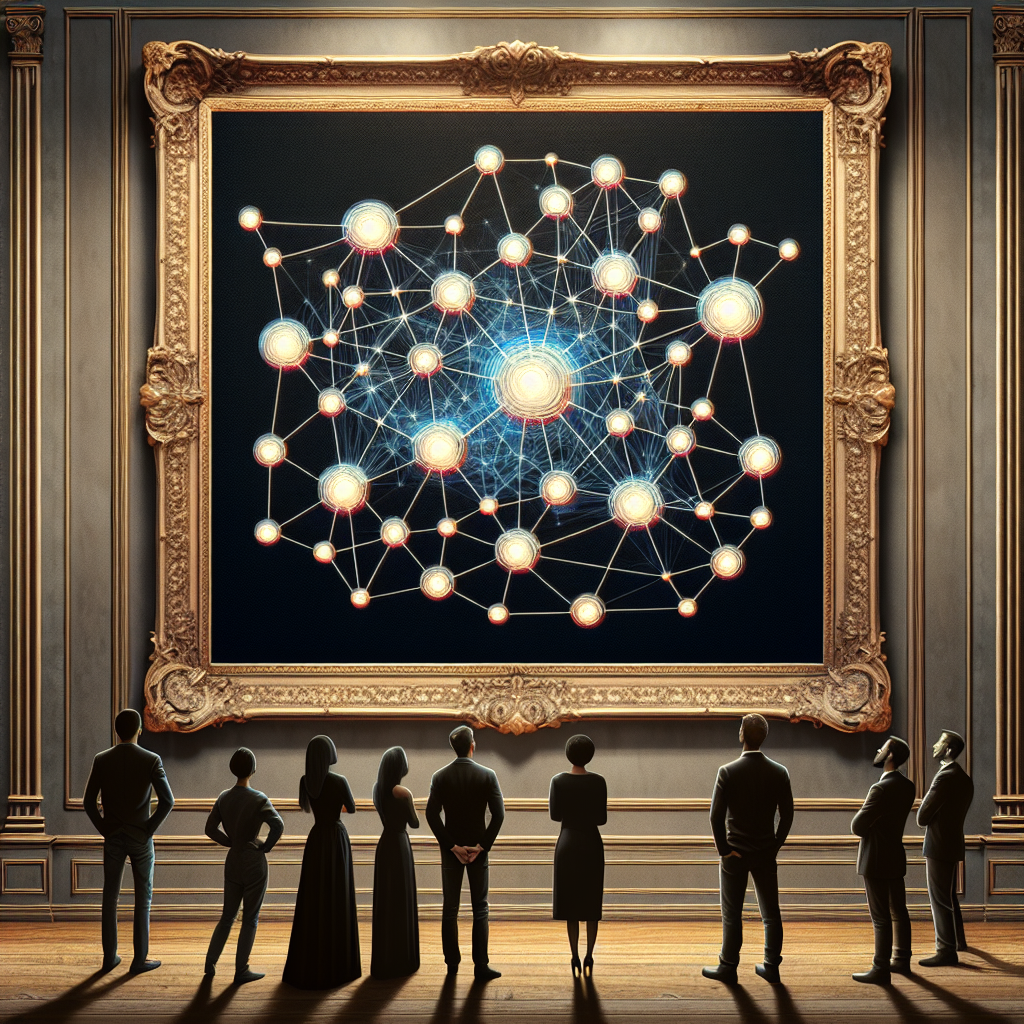
The advent of Non-Fungible Tokens (NFTs) has ushered in a new era in the art world, transforming the relationship between artists, collectors, and the art itself. NFTs utilize blockchain technology to represent ownership of unique digital assets, allowing artists to sell their work directly to buyers without the need for traditional intermediaries.
What Are NFTs?
NFTs, or Non-Fungible Tokens, are digital certificates stored on a blockchain that prove ownership and authenticity of a specific item, often incorporating art. Unlike cryptocurrencies such as Bitcoin, which are fungible and can be exchanged one for another, each NFT is unique and cannot be replaced with something else.
The Impact on Artists
One of the most significant effects of NFTs is the empowerment of artists. They can now sell their work directly to a global audience through online platforms. This opens up new revenue streams, often allowing artists to retain a percentage of sales in the secondary market through smart contracts, generating ongoing income as their work appreciates in value.
Collectors and Ownership
For collectors, NFTs provide a way to acquire art that is verifiable and secure. Blockchain technology allows for transparent tracking of ownership history, enhancing provenance and trust. This reassurance encourages more people to invest in digital art, making the market more robust.
Challenges and Criticism
Despite their transformative potential, NFTs face challenges. Environmental concerns related to the energy consumption of blockchain networks have sparked debates about sustainability. Additionally, the art market is grappling with issues such as copyright infringement and the devaluation of traditional art forms as digital art rises in popularity.
The Future: Beyond NFTs
Looking ahead, blockchain technology could offer even more innovative solutions for the art world. Concepts like fractional ownership, where multiple people can own a share of a piece of art, could democratize access to high-value artworks. Moreover, virtual reality (VR) galleries and augmented reality (AR) experiences are set to further expand the way art is experienced and consumed.
Conclusion
As NFTs continue to evolve, their impact on the art world will only grow. While challenges remain, the potential for innovation is immense. Artists, collectors, and technologists must navigate this new landscape thoughtfully to ensure that the benefits of blockchain technology can be realized for all stakeholders involved.