

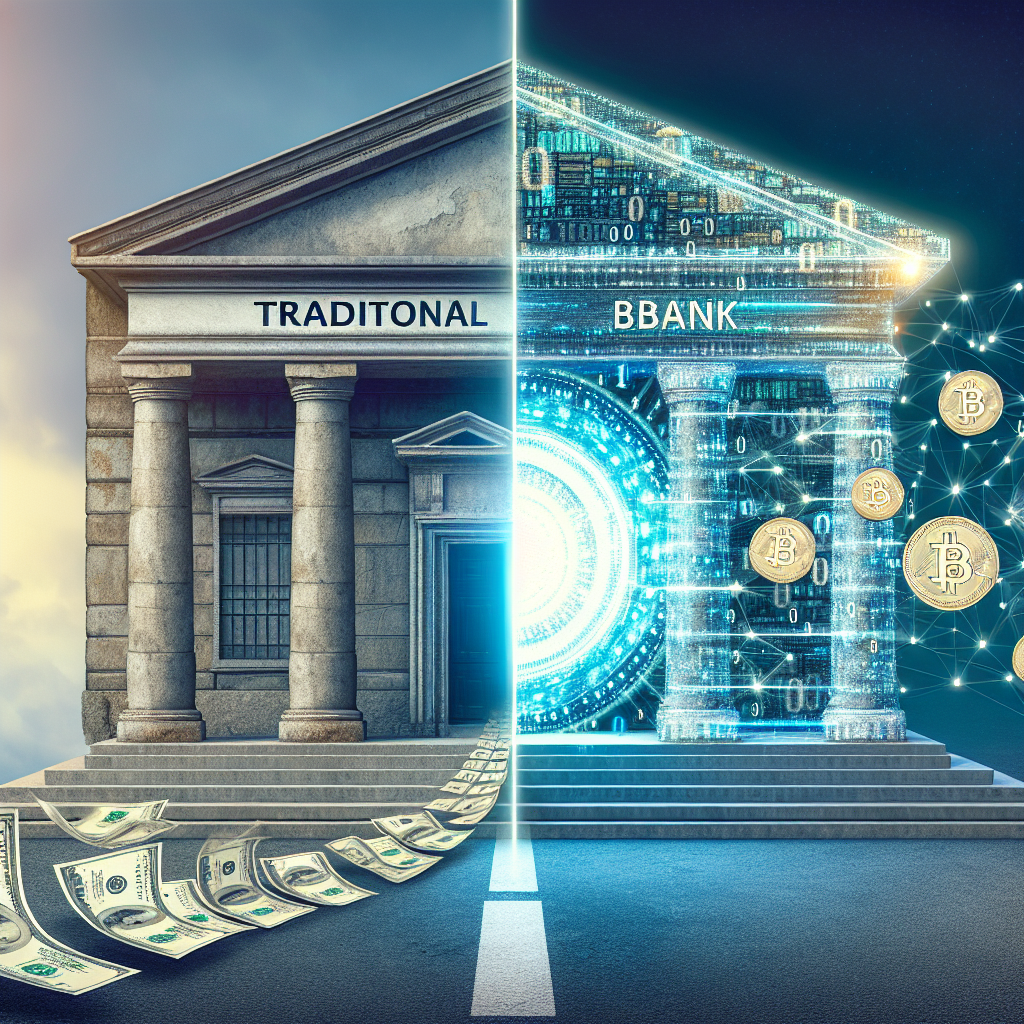
The Rise of Decentralized Finance
Are Traditional Banks Obsolete?
In recent years, the financial landscape has undergone a significant transformation, largely fueled by the emergence of Decentralized Finance (DeFi). This new paradigm challenges the traditional banking system, raising fundamental questions about the relevance and future of established financial institutions.
What is Decentralized Finance?
Decentralized Finance refers to a financial ecosystem built on blockchain technology that allows users to access financial services without the need for intermediaries, such as banks. Using smart contracts—self-executing contracts with the terms directly written into code—DeFi applications enable users to lend, borrow, trade, and earn interest on their assets seamlessly.
Key Drivers Behind the Rise of DeFi
- Accessibility: DeFi platforms are open to anyone with an internet connection, democratizing access to financial services.
- Lower Costs: By removing middlemen, DeFi reduces fees associated with traditional banking.
- Transparency: Transactions and operations on the blockchain are publicly verifiable, enhancing trust among users.
- Programmability: Smart contracts allow for innovative financial products and services that can be customized to meet the unique needs of users.
Are Traditional Banks Obsolete?
While DeFi has gained momentum, declaring traditional banks obsolete may be premature. Banks offer critical services such as regulatory oversight, customer protection, and stability, which cannot be easily replicated in the DeFi space. Moreover, many traditional institutions are beginning to adopt blockchain technology and integrate DeFi solutions into their services to improve efficiency and customer experience.
Challenges Ahead for DeFi
Despite its potential, DeFi faces numerous challenges, including:
- Regulatory Uncertainty: Governments worldwide are still figuring out how to regulate DeFi without stifling innovation.
- Security Concerns: The DeFi space is susceptible to hacks and fraud, with numerous high-profile incidents undermining trust.
- User Experience: The complexity of interacting with DeFi protocols can deter less tech-savvy individuals.
Conclusion
The rise of decentralized finance signifies a major shift in how we think about money and financial services. While it poses challenges to traditional banks, it also offers opportunities for collaboration and innovation. The financial ecosystem is likely to evolve into a hybrid model where both DeFi and traditional banking coalesce to serve the needs of consumers better.