

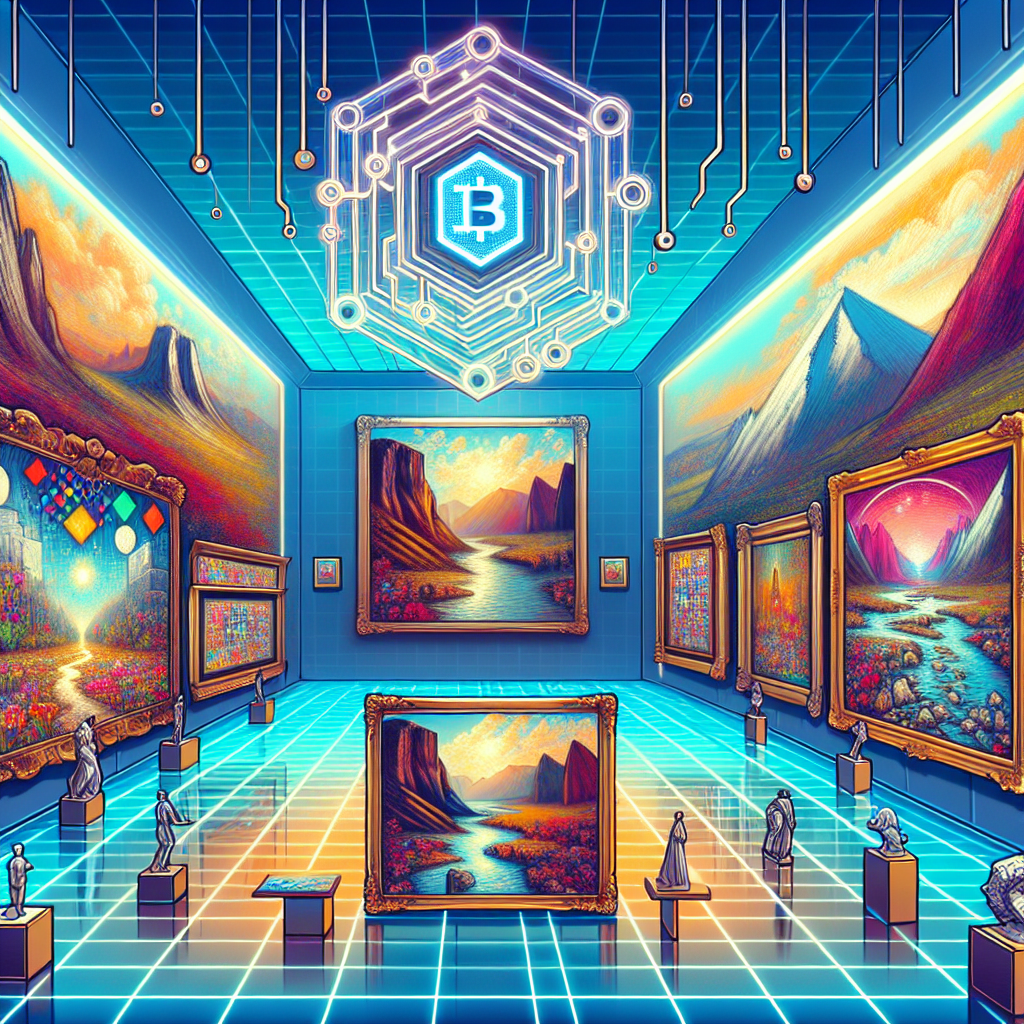
NFTs Explained: How Non-Fungible Tokens are Transforming Art and Collectibles
In recent years, the rise of Non-Fungible Tokens (NFTs) has revolutionized the world of digital art and collectibles. But what exactly are NFTs, and how are they impacting artists and collectors alike?
What Are NFTs?
Non-Fungible Tokens (NFTs) are unique digital assets stored on a blockchain, a type of digital ledger. Unlike cryptocurrencies such as Bitcoin or Ethereum, which are fungible (interchangeable), NFTs are distinct and cannot be replaced. This uniqueness attribution makes them perfect for representing ownership of digital art, music, videos, and other collectibles.
The Technology Behind NFTs
NFTs utilize blockchain technology to establish and verify ownership of assets. Most NFTs are built on the Ethereum blockchain, although several other blockchains support NFT standards. Each NFT contains metadata that signifies ownership and provenance, making it easier to track the original creator and history of the asset.
Transforming the Art Industry
NFTs have opened new avenues for artists. Traditional art markets are often limited by high entry barriers and gatekeepers. With NFTs, artists can sell their digital artworks directly to consumers, thereby retaining a larger share of the profits. Additionally, artists can program royalties into their NFTs, ensuring they earn a percentage each time their work is resold.
The Collector’s Perspective
For collectors, NFTs provide a new way to invest in art. They can acquire unique pieces and even participate in a broader community of like-minded collectors. Moreover, the blockchain ensures the authenticity and provenance, addressing long-standing issues of forgery and theft in the art world.
Challenges and Criticisms
Despite their potential, NFTs have faced criticism. Concerns around environmental impact are significant, as many NFT transactions rely on energy-intensive proof-of-work mechanisms. Additionally, the art world is grappling with issues like copyright infringement and market speculation. Moreover, some argue that the NFT bubble may be a passing trend, akin to previous speculative booms.
The Future of NFTs
The future of NFTs remains uncertain, but their potential to disrupt markets is undeniable. Innovations are already underway, with artists exploring new formats and uses—such as virtual reality exhibitions and collaborations with gaming platforms. As the technology matures, we may see even more integrations of NFTs across various sectors.
Conclusion
NFTs are more than just a buzzword; they are transforming the landscape of art and collectibles. Whether you are an artist looking to reach a wider audience or a collector eager to invest in unique digital assets, understanding NFTs is increasingly essential in today’s digital economy.