

Introduction
The Basics of NFTs
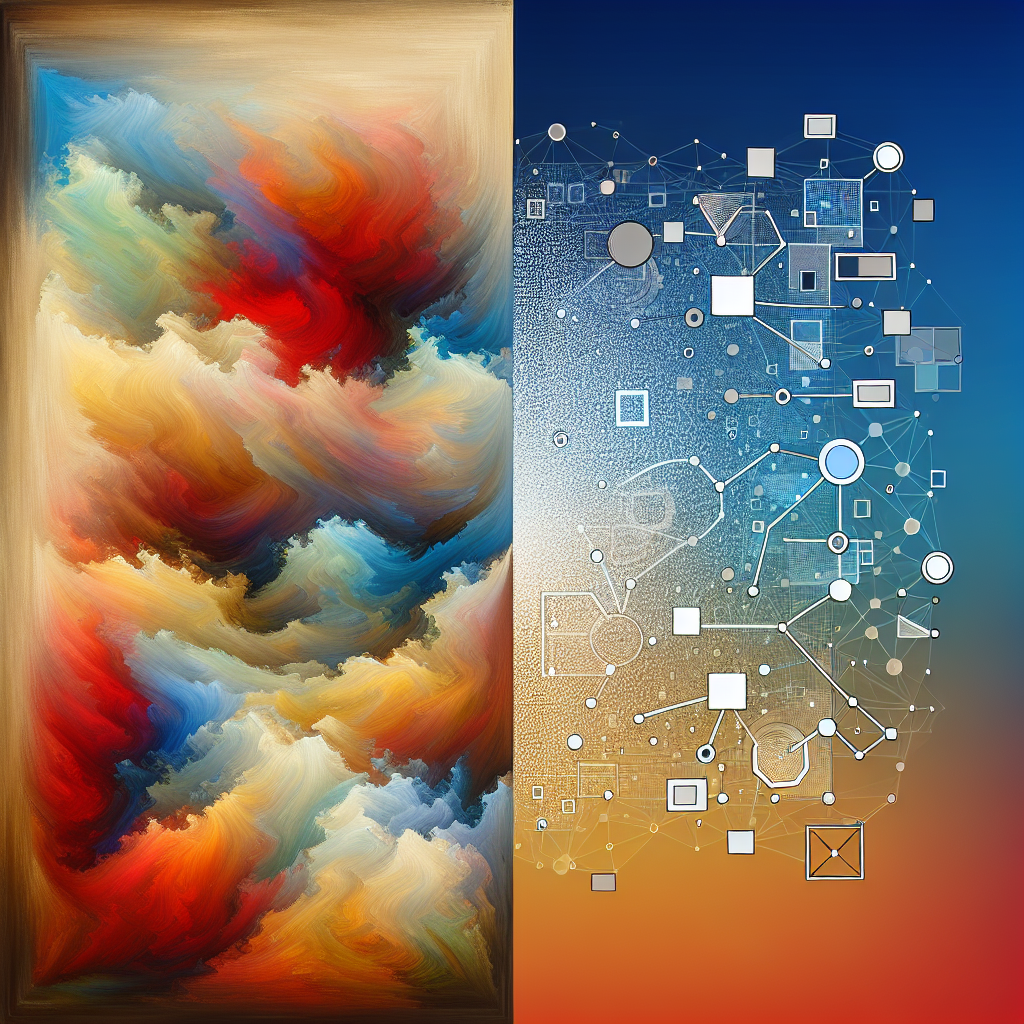
NFTs are unique digital assets verified using blockchain technology, which ensures their scarcity and ownership. Unlike cryptocurrencies like Bitcoin or Ethereum, which are fungible and interchangeable, NFTs are one-of-a-kind. This uniqueness makes them perfect for the art world, where originality and ownership are crucial.
Blockchain and Art Ownership
Blockchain, the underlying technology of NFTs, offers a decentralized and transparent ledger. Each transaction involving an NFT is recorded on the blockchain, providing a verified history of ownership. This feature is invaluable for artists, as it enables them to sell their work directly to buyers without intermediaries, thus retaining a larger share of profits.
Impact on Artists
The rise of NFTs has opened new revenue streams for artists. They can not only sell their work as NFTs but can also earn royalties on secondary sales. This innovative model ensures that artists continue to benefit from their creations long after the initial sale. Additionally, the ease of access to global markets enables emerging artists to find their audience without the traditional gatekeeping of galleries and auction houses.
The Collector’s Perspective
For collectors, NFTs represent a new way to invest in art. Ownership of an NFT comes with a digital certificate, allowing collectors to showcase their acquisitions in virtual galleries or social media profiles. The allure lies not only in the potential for appreciation in value but also in the direct connection to the artist through digital footprints.
Challenges and Critiques
Despite their potential, NFTs face several challenges. Concerns over environmental impact due to high energy consumption of blockchain transactions, market speculation, and issues with copyright infringement are prevalent. As the industry evolves, these critiques must be addressed to ensure a sustainable future for NFTs.
Conclusion
The intersection of art and blockchain through NFTs represents a significant shift in how we perceive and interact with digital art. While challenges remain, the potential for creativity, ownership, and a more equitable art market offers exciting possibilities. As both artists and collectors navigate this new landscape, only time will reveal the lasting impact of NFTs on the art world.
For additional information, keep on visiting our website