

Non-fungible tokens (NFTs) have taken the art world by storm, drawing significant attention from collectors, artists, and investors alike. But what exactly are NFTs, and what does their rise mean for the future of art and ownership? This article explores the fundamentals of NFTs, their implications for the art market, and how they utilize blockchain technology.
    <h2>What are NFTs?</h2>
    <p>NFTs are unique digital tokens created using blockchain technology, which certifies the ownership and authenticity of a digital asset. Unlike cryptocurrencies like Bitcoin, which are interchangeable (fungible), each NFT has distinct properties that make it unique and not interchangeable with other tokens.</p>
<h2>The Role of Blockchain Technology</h2>
    <p>Blockchain technology is a decentralized digital ledger that records all transactions across a network. In the context of NFTs, blockchain serves as a public proof of ownership and transaction history, thus ensuring transparency and security. This means that anyone can verify the authenticity of a digital asset and trace its ownership back to its creator.</p>
<h3>Benefits of NFTs</h3>
    <ul>
        <li><strong>Provenance:</strong> NFTs provide an unchangeable record of ownership, allowing artists to prove the authenticity of their work.</li>
        <li><strong>Artist Royalties:</strong> Many NFT platforms allow artists to earn royalties on secondary sales, benefiting creators long after the initial sale.</li>
        <li><strong>Access to New Markets:</strong> NFTs enable artists to reach international collectors directly, bypassing traditional galleries and auction houses.</li>
    </ul>
<h2>Art and Ownership Redefined</h2>
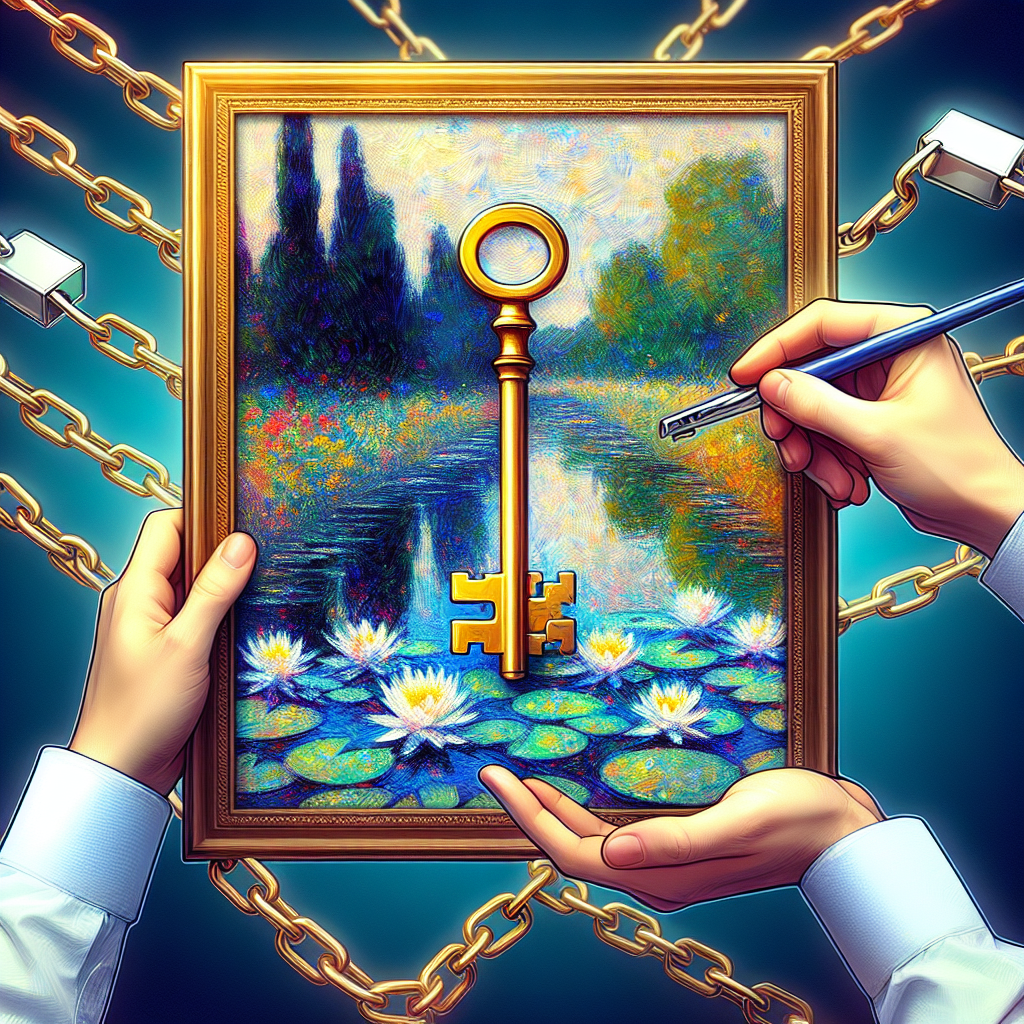
    <p>The advent of NFTs is redefining the traditional concepts of art ownership and value. With digital art becoming increasingly popular, NFTs allow artists to create exclusive versions of their work, ensuring scarcity in a digital environment where copies are easily made. Collectors can now own a piece of digital art, much like owning a painting or sculpture.</p>
<h3>The Impact on Artists</h3>
    <p>For artists, NFTs provide a new revenue stream and the opportunity to connect directly with their audience. They can leverage social media platforms to promote their work, making it easier for collectors to discover and purchase their art. This democratization of the art market is empowering more creators, leading to a vibrant and diverse ecosystem.</p>
<h3>The Challenges Ahead</h3>
    <p>Despite the excitement surrounding NFTs, challenges remain. Environmental concerns related to the energy consumption of blockchain networks, market volatility, and the potential for copyright infringement are just a few issues that need to be addressed. Additionally, as the market becomes more crowded, artists face increased competition, making it essential for them to develop unique offerings and marketing strategies.</p>
<h2>Conclusion</h2>
    <p>NFTs represent a transformative shift in how art is created, owned, and valued. By harnessing the power of blockchain technology, artists and collectors can engage in a more innovative and transparent way. As we move forward, the continued evolution of NFTs will undoubtedly shape the landscape of the art world, presenting both new opportunities and challenges.</p>
<h2>Further Reading</h2>
    <p>To learn more about NFTs and their impact on the art world, consider exploring the following resources:</p>
    <ul>
        <li><a href="https://www.niftygateway.com/" target="_blank">Nifty Gateway</a> - A popular NFT marketplace</li>
        <li><a href="https://opensea.io/" target="_blank">OpenSea</a> - The largest NFT marketplace</li>
        <li><a href="https://www.coindesk.com/learn/what-are-nfts/" target="_blank">Coindesk: What are NFTs?</a> - A comprehensive guide to NFTs</li>
    </ul>
</article>
Visit our website to get more information