

In an increasingly interconnected world, the importance of securing digital identities cannot be overstated. Blockchain technology emerges as a revolutionary solution, offering unparalleled security and transparency in identity management.
Understanding Digital Identities
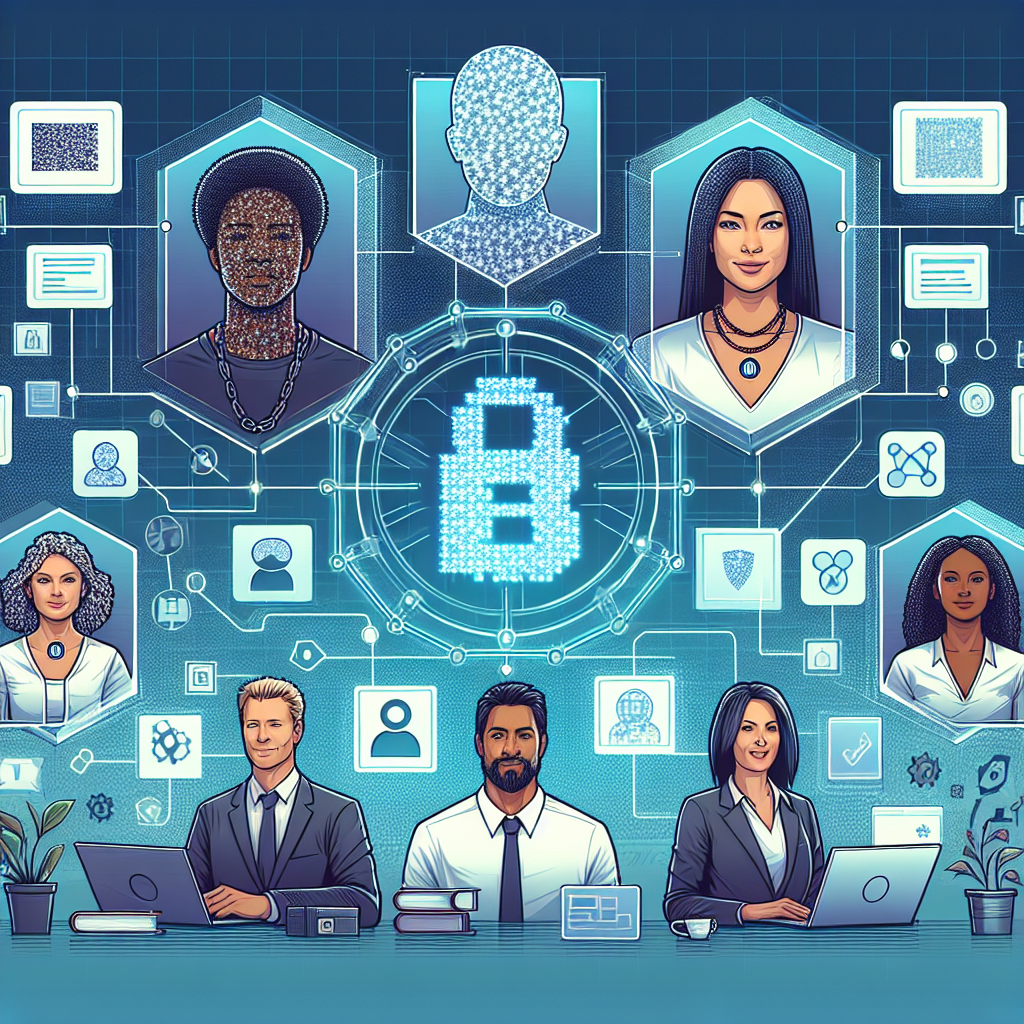
A digital identity is the online representation of a person, organization, or device. It can include usernames, passwords, biometrics, social media profiles, and other personal information. As digital identities become central to online interactions, they also become prime targets for identity theft and fraud.
Challenges in Securing Digital Identities
Traditional methods of securing digital identities often fall short due to:
- Centralization: Most systems rely on a central authority (e.g., banks, social media platforms) to manage identities, making them vulnerable to breaches.
- Data Breaches: Centralized repositories of sensitive information are targets for hackers, leading to compromised accounts and stolen identities.
- User Involvement: Users often choose weak passwords or use the same credentials across multiple platforms, increasing risk.
How Blockchain Technology Can Help
Blockchain technology offers a decentralized approach, which addresses many of the challenges associated with traditional identity management:
- Decentralization: Blockchain eliminates the need for a central authority by distributing identity data across the network, reducing single points of failure.
- Immutable Ledger: Transactions and identity information stored on a blockchain are immutable and time-stamped, providing a clear audit trail that cannot be altered.
- Enhanced Privacy: Users can control their information, sharing only what is necessary without divulging excessive personal data.
- Secure Authentication: Digital signatures and cryptographic keys enhance security, ensuring that only authorized users can access their identities.
Real-World Applications of Blockchain for Identity Management
Several organizations and projects are already leveraging blockchain technology to enhance the security of digital identities:
- Self-Sovereign Identity (SSI): Users have full control over their digital identity without relying on third-party providers.
- Digital Passports: Countries like Estonia are using blockchain for secure digital identities, facilitating e-residency and seamless travel.
- Healthcare Records: Blockchain can help secure patient identities and control access to medical information, enhancing privacy and control.
Conclusion
As the digital landscape evolves, so does the need for secure identity management solutions. Blockchain technology presents a promising approach, offering enhanced security, privacy, and user control. By adopting blockchain for digital identity management, we can move towards a safer, more secure digital future.
To find out more,keep on visiting our website