


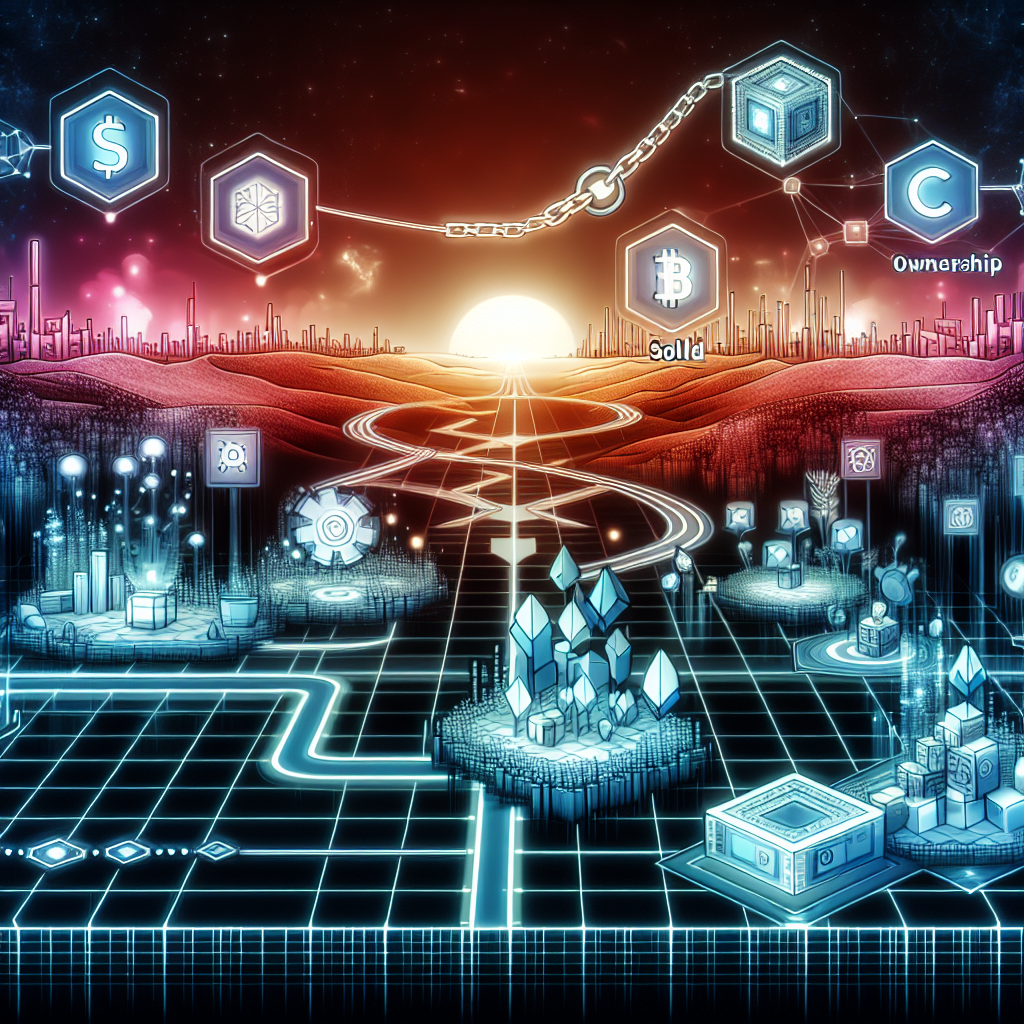
Non-Fungible Tokens (NFTs) have taken the digital world by storm, initially gaining fame through the algorithmically generated digital art. However, NFTs offer much more than just a way to own, sell, or trade digital artworks. This article delves into the expanding universe of NFTs and their potential applications across various sectors.
What are NFTs?
NFTs are unique digital assets verified using blockchain technology, ensuring that each token is one-of-a-kind and cannot be replicated. Unlike cryptocurrencies like Bitcoin or Ethereum, which are fungible and can be exchanged on a one-to-one basis, NFTs represent ownership of a specific item, be it digital or physical.
The Spectrum of NFT Use Cases
1. Digital Art
“NFTs have revolutionized the way artists monetize their work, offering them direct access to international markets without intermediaries.”
Digital artists can auction their works on various platforms, reaching a global audience. This visibility translates into financial benefits and a more equitable distribution of royalties on future sales.
2. Music and Entertainment
Musicians are exploring NFTs to sell exclusive tracks, albums, and concert tickets directly to fans. Not only do these tokens provide a new revenue stream, but they also foster a closer relationship between artists and their supporters.
3. Gaming
In-game assets, such as skins, weapons, or characters, can be tokenized as NFTs. Players can trade these items in secondary markets, creating a new economy within games and allowing for real ownership over digital assets.
4. Real Estate
The real estate sector is also beginning to see the applications of NFTs. Tokenizing property ownership can streamline transactions, reduce fraud, and improve transparency. Partial ownership and fractional assets become possible with NFTs, making real estate investments accessible to a broader audience.
5. Identity Verification and Certification
NFTs can serve as verifiable digital identities or certifications. For instance, diplomas and certificates can be issued as NFTs, making it simpler to authenticate qualifications in a secure manner.
The Future of NFTs
The NFT space is rapidly evolving, with new opportunities popping up regularly. As technologies develop, we may see increased integration with augmented reality (AR), virtual reality (VR), and the metaverse.
Additionally, the environmental concerns surrounding blockchain technology continue to prompt discussions regarding more sustainable practices. Innovations such as proof-of-stake blockchain networks aim to address these issues, potentially making NFT transactions more sustainable.
Conclusion
While NFTs initially gained traction in the realm of digital art, their potential extends far beyond. As industries embrace this technology, we are likely to witness groundbreaking changes in ownership, transaction processes, and digital interactions. The future of NFTs is promising, and understanding their breadth of application will be key to navigating a digital-first world.
Further Reading
Visit our website to get more updates