


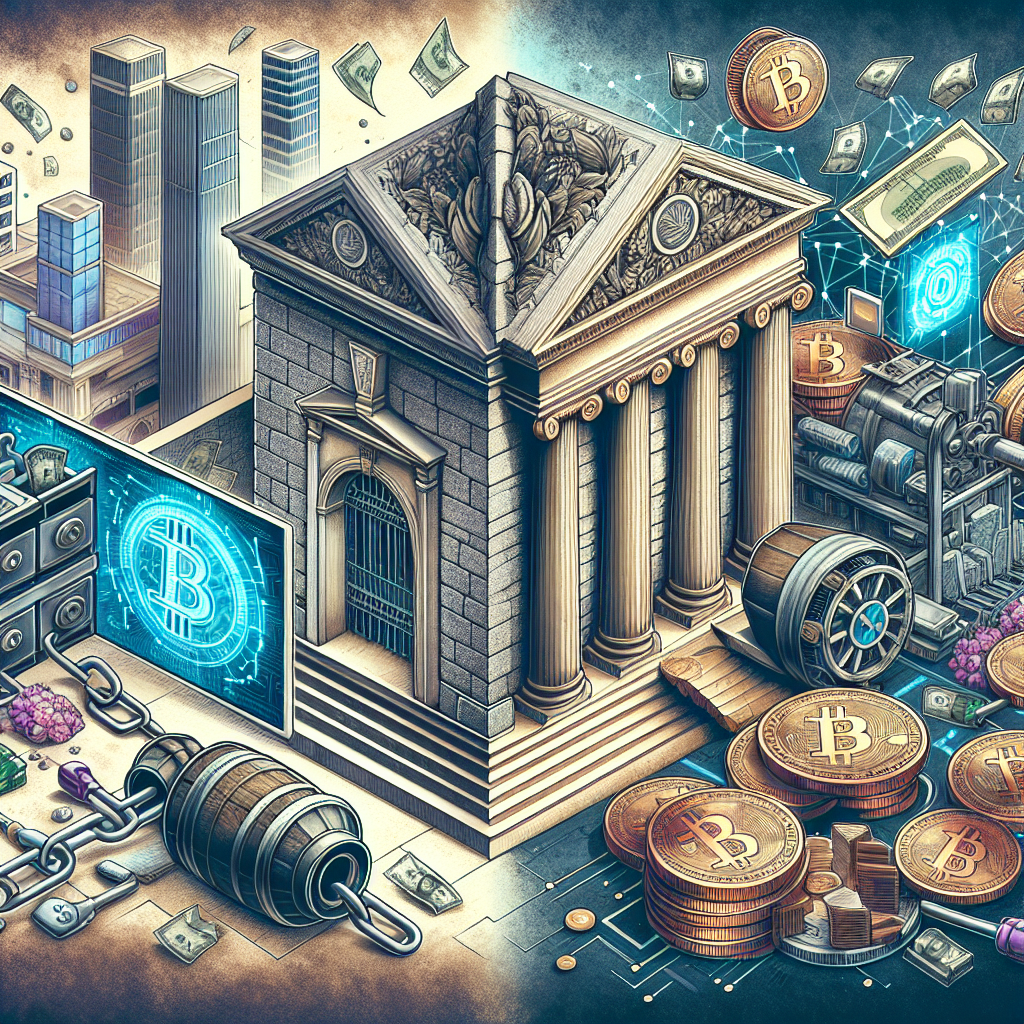
Decentralized Finance (DeFi) has emerged as one of the most transformative trends in the financial sector, leveraging blockchain technology to recreate traditional financial systems in a decentralized manner. This shift is not merely a technological advancement; it represents a fundamental change in how individuals and organizations interact with money, banking, and financial services.
What is Decentralized Finance?
Decentralized Finance refers to a system of financial applications built on blockchain technology, primarily Ethereum, that allows users to engage in financial transactions without the need for traditional intermediaries like banks. This paradigm empowers users to have complete control over their assets while providing increased transparency and security.
The Key Features of DeFi
- Liquidity: DeFi protocols often utilize automated market makers (AMMs) to ensure liquidity, enabling users to trade without relying on traditional market makers.
- Transparency: All transactions are recorded on the blockchain, making it easy for anyone to audit and verify activities.
- Accessibility: DeFi platforms are open to anyone with an internet connection, removing barriers to entry that traditional finance poses.
- Smart Contracts: These self-executing contracts with the terms of the agreement directly written into code automate and simplify transactions.
The Impact on Traditional Banking
The rise of DeFi poses significant challenges to conventional banking systems. Here are a few ways in which DeFi is reshaping banking:
- Elimination of Intermediaries: Traditional banking involves numerous intermediaries, adding layers of costs and complexity. DeFi removes the need for these intermediaries, potentially lowering fees for consumers.
- Financial Inclusion: With DeFi, underbanked populations can access financial services without needing a bank account, fostering greater economic participation.
- Innovative Financial Products: DeFi is rapidly creating new financial products that were previously not possible, such as yield farming and liquidity mining.
Challenges Ahead
Despite its advantages, DeFi is not without challenges. Issues such as regulatory uncertainty, smart contract vulnerabilities, and market volatility pose risks that could hinder its growth. Furthermore, as DeFi platforms continue to gain traction, regulators are increasingly eyeing this space, calling for compliance and oversight akin to traditional financial systems.
The Future of Banking
As we move forward, a hybrid model that combines elements of both DeFi and traditional finance may emerge. Financial institutions could adopt DeFi principles to enhance efficiency, reduce costs, and improve customer satisfaction. Ultimately, the rise of decentralized finance presents an opportunity for a more inclusive, efficient, and transparent financial ecosystem.
Stay-tuned with us on our website