


Introduction
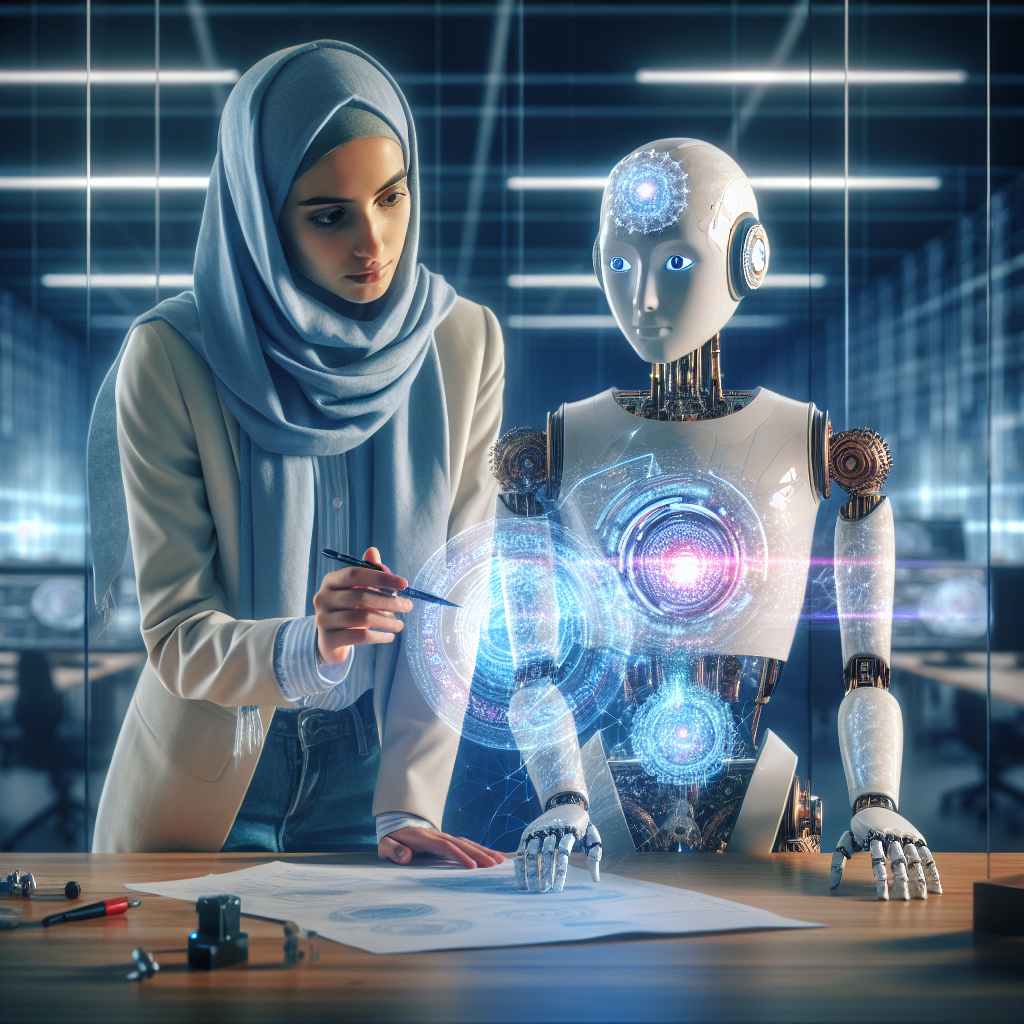
As we delve deeper into the 21st century, the collaboration between humans and artificial intelligence (AI) is becoming increasingly vital. This partnership has the potential to revolutionize industries, improve our day-to-day lives, and address some of the most pressing challenges facing humanity.
What is Human-AI Collaboration?
Human-AI collaboration refers to the synergistic relationship between humans and AI technologies. Rather than replacing human efforts, AI is designed to enhance and augment our capabilities. This collaboration can manifest in various forms, such as data analysis, decision-making, and even creative processes.
Benefits of Human-AI Collaboration
1. Enhanced Productivity
AI can automate mundane tasks, freeing up time for humans to focus on more complex and creative endeavors. For instance, in fields like marketing and finance, AI can analyze large sets of data and generate insights rapidly.
2. Improved Decision-Making
AI systems can process vast amounts of information, providing recommendations based on data trends. This ability can significantly enhance decision-making processes in businesses and governance.
3. Creativity and Innovation
When paired with human intuition and emotional intelligence, AI tools can spark new ideas and approaches. Creative industries are beginning to explore how AI can aid in generating music, art, and literature.
Real-World Applications
Human-AI collaboration is making waves across various sectors. Here are a few notable examples:
- Healthcare: AI is assisting doctors by analyzing medical images and managing patient data, leading to quicker diagnoses and personalized treatment plans.
- Education: AI systems are facilitating personalized learning experiences by adapting curricula to each student’s pace and understanding.
- Finance: AI algorithms help in fraud detection and risk management, providing financial institutions with a robust tool for safeguarding assets.
Challenges to Consider
Despite the numerous advantages, the development of AI collaboration poses several challenges:
- Bias in AI: If not carefully managed, AI systems can perpetuate biases present in their training data, leading to unfair outcomes.
- Job Displacement: While AI enhances productivity, there are concerns regarding job loss in certain sectors, highlighting the need for workforce reskilling.
- Ethical Considerations: Collaboration shouldn’t compromise privacy or security. Ensuring responsible AI use is essential for a sustainable future.
Conclusion
Human-AI collaboration presents a promising vision for the future. When harnessed responsibly, it can lead to enhanced productivity, innovation, and decision-making across all realms of society. As we navigate this evolving landscape, it is crucial to strike a balance between leveraging AI’s capabilities and ensuring ethical practices that prioritize human values.
Get Involved
Interested in exploring human-AI collaboration further? Check out resources from organizations like IDA and OpenAI to learn how you can participate in shaping a future where humans and AI work together seamlessly.
More related updates, Click Here