
asohij.com
Tuesday, February 10, 2026
No menu items!
HomeTechnologyMachines That Write, Paint, and Compose

Machines That Write, Paint, and Compose

Introduction
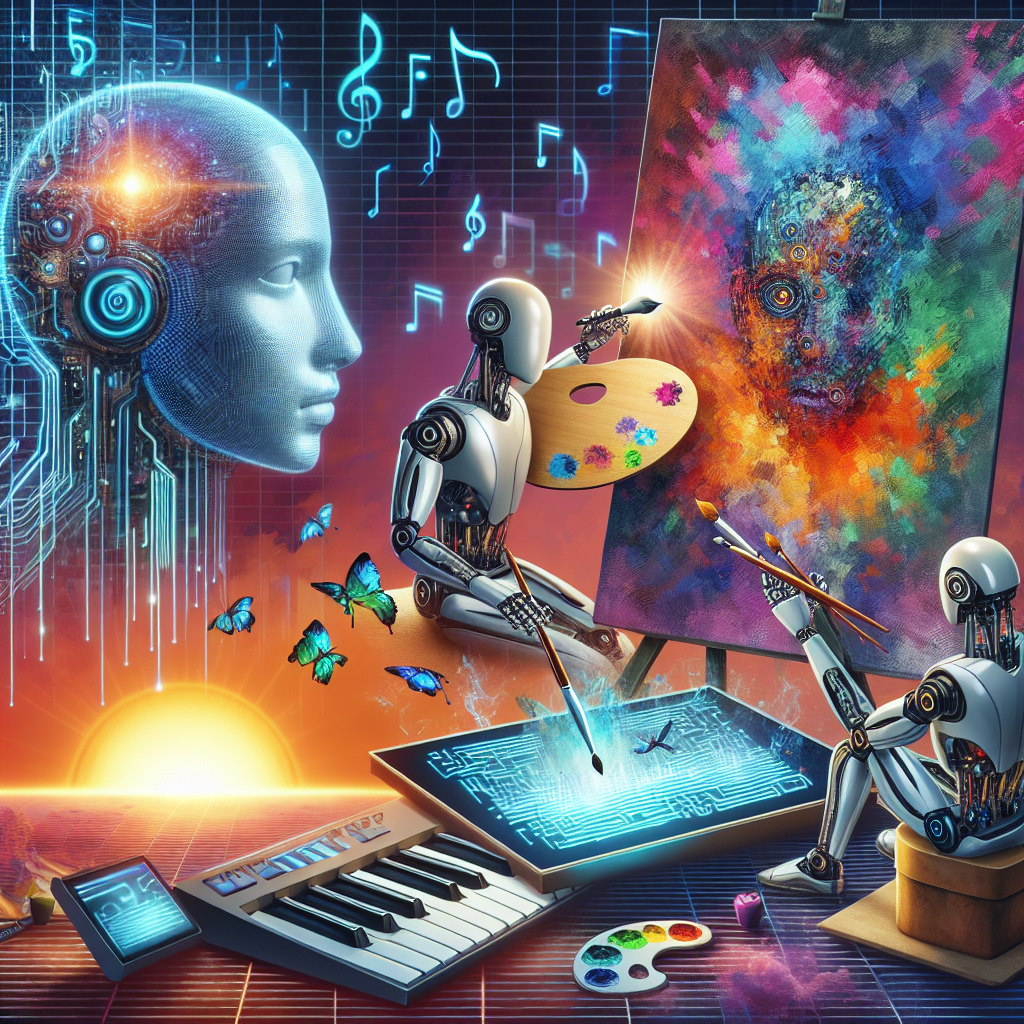
In recent years, artificial intelligence (AI) has been transforming various sectors, and the creative industry is no exception. Today, machines can compose music, create visual art, and even write compelling literature. This phenomenon raises intriguing questions about the nature of creativity and the future of human artists.The Evolution of AI in Creativity

The concept of machines creating art is not entirely new. Early experiments in generative art can be traced back to the mid-20th century. However, the rapid advancements in machine learning and neural networks have led to a new era of AI creativity that was once thought to be impossible.Today’s AI systems can analyze vast datasets of existing works, learning styles, themes, and techniques, leading to impressive results across various artistic mediums.

AI in Writing

AI-powered writing tools have gained popularity for their ability to generate text that mimics human writing styles. From news articles to poetry, these algorithms can produce coherent content in mere seconds. Examples include OpenAI’s GPT-4, which can engage in nuanced conversations and create intricate narratives.AI in Visual Arts

Artists are increasingly using AI to assist or even take the lead in their creative processes. Programs like DALL-E and DeepArt utilize neural networks to generate stunning visual pieces based on user prompts. This has opened new avenues for creative exploration, blending human input with machine-generated art.AI in Music Composition

AI is also making waves in the music industry, composing original pieces and even collaborating with established artists. Platforms like Amper Music enable users to create custom soundtracks easily, raising questions about authorship and originality in music.Impact on the Creative Industry

The rise of AI creatives brings both excitement and apprehension. While some celebrate the potential for innovation and efficiency, others fear that AI may overshadow human artists, devaluing traditional forms of creativity. As machines continue to evolve, the lines between human and machine-created art may blur.The Future of AI and Creativity

As technology improves, the collaboration between human and AI creatives will likely become more prevalent. Rather than replacement, the partnership can enhance artistic expression and productivity, pushing the boundaries of what is considered possible in the realm of art.Ultimately, the rise of AI creatives poses profound philosophical questions about authorship, originality, and the very definition of creativity itself.

Additional relevant updates

RELATED ARTICLES

Most Popular

Recent Comments