
The Evolution of AI in Art
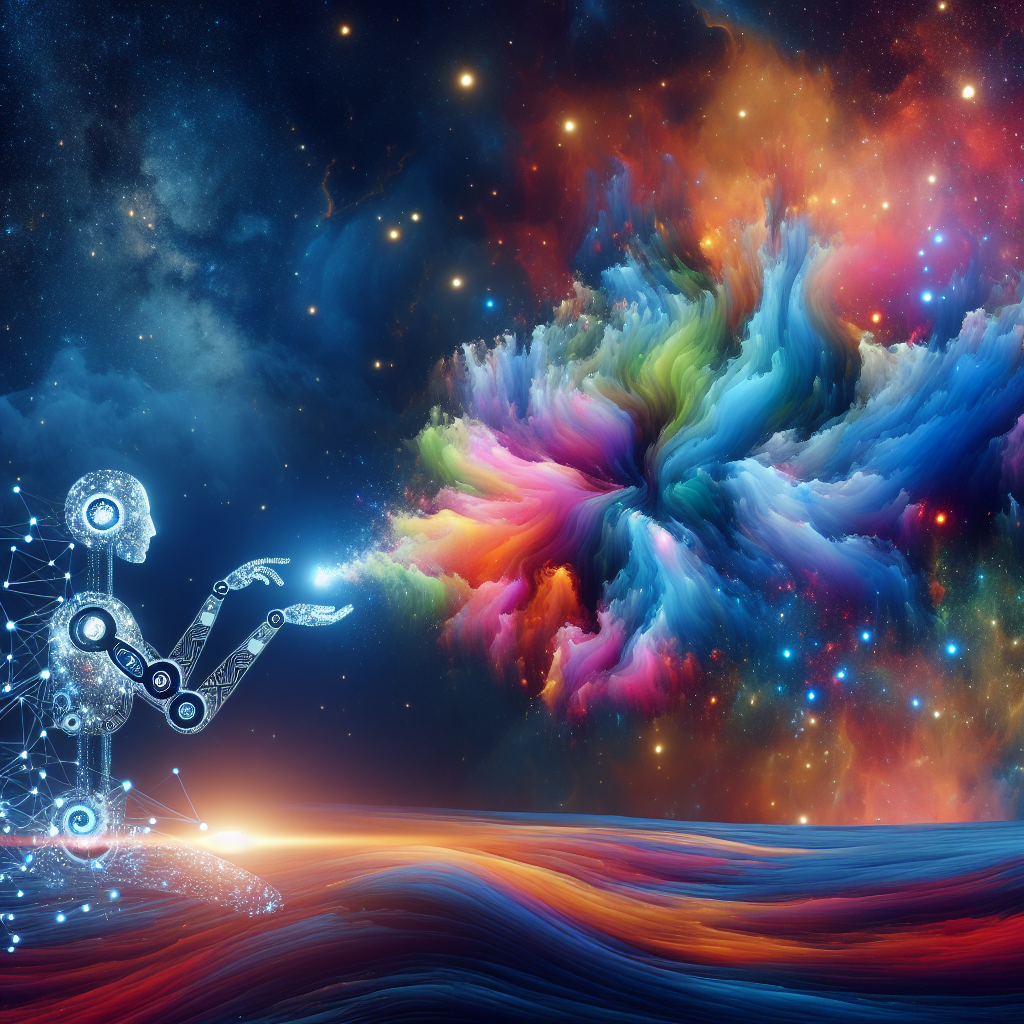
AI has moved from basic algorithms to advanced machine learning models capable of creating music, visual art, and even literature. Programs like DeepArt and OpenAI’s DALL-E have demonstrated that machines can learn from vast datasets and generate stunning original works.
Collaboration or Competition?
One of the burning questions in this intersection is whether AI poses a threat to artists or serves as a collaborator. Some argue that AI-enhanced tools can free creators from mundane tasks, allowing them more time for exploration and innovative thinking. Others fear that AI could overshadow human talent, diluting the uniqueness of artistic expression.
The Case for Collaboration
Many artists are already using AI in their creative processes. Tools that assist in brainstorming, color selection, and even composition can help artists push the boundaries of their work. For instance, musicians can explore new melodies, while painters can experiment with styles and techniques unseen in traditional media.
The Risks of Over-Reliance
On the flip side, there is a genuine concern over the potential for over-reliance on AI. If artists begin to depend heavily on automated tools, it could lead to a homogenization of art, where unique styles give way to AI-generated patterns and formulas. The essence of human creativity—emotion, experience, and spontaneity—might be diluted or lost.
New Opportunities for Artists
The introduction of AI also paves the way for new career paths. Artists can now become curators of AI-generated content, blending their creativity with machine learning to form entirely new genres of art. Moreover, the integration of AI in art can lead to interactive experiences, engaging audiences in innovative ways.
Ethical Considerations
As AI continues to intertwine with creativity, ethical dilemmas arise. Questions about copyright, authorship, and the use of data come to the forefront. Who owns a piece of art generated by an AI? Should the AI be credited, and if so, how? These challenges require careful consideration as we forge a new path where technology and creativity converge.
Conclusion
The intersection of AI and creativity is an exciting yet complex frontier for artists. While AI can serve as both a tool and a companion in the creative journey, it is vital to maintain the essence of human expression. By embracing both technology and traditional practices, artists can discover new dimensions of creativity, ultimately enriching the artistic landscape.
To additional details,keep on visiting our website