
The Future of Work: Preparing for an AI-Driven Job Market
Introduction
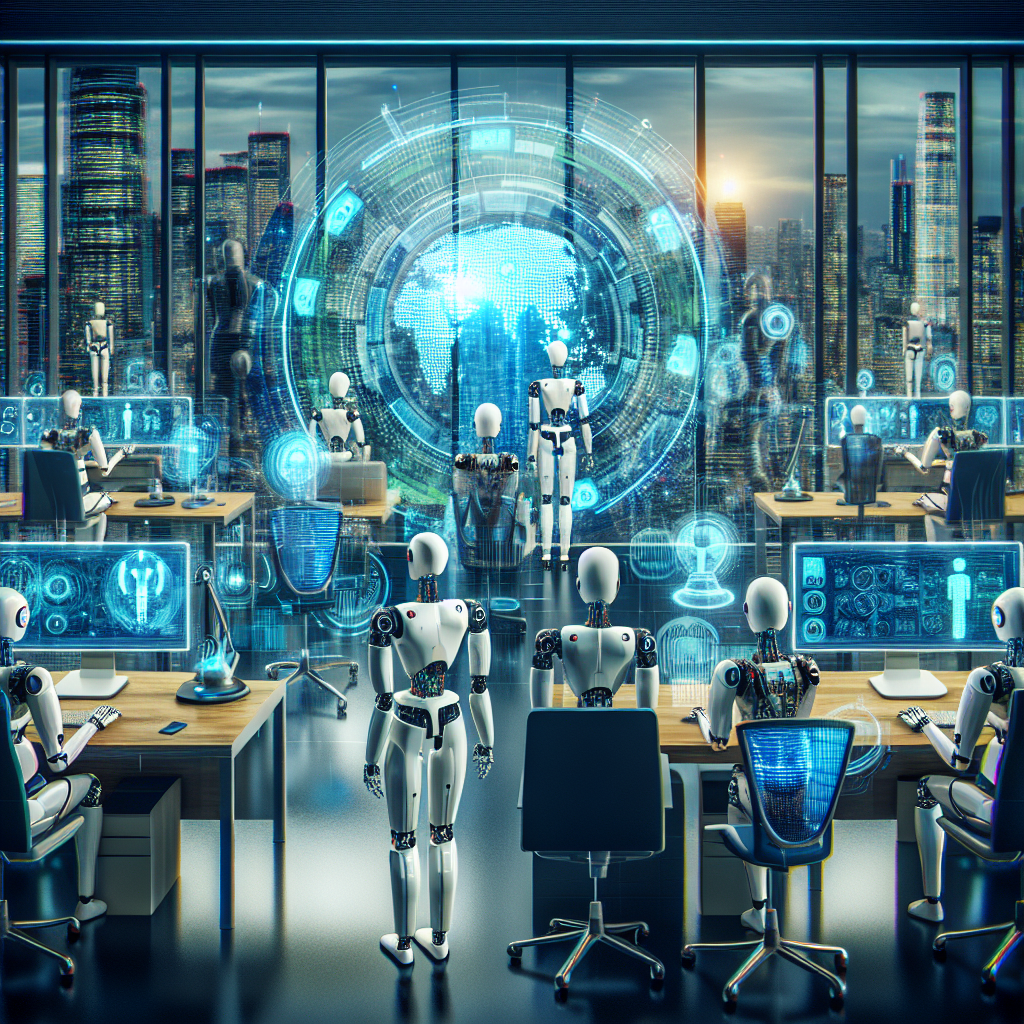
The world of work is evolving rapidly, driven by advancements in artificial intelligence (AI). As we move towards an AI-driven job market, it is vital for individuals, organizations, and educational institutions to adapt and prepare for these significant changes.
Understanding AI’s Impact on the Job Market
AI is poised to automate a variety of tasks, ranging from routine clerical work to complex problem-solving. While this may lead to the elimination of certain job roles, it will also create new opportunities in emerging fields.
- Job Displacement: Certain roles, especially those that involve repetitive tasks, are at a higher risk of automation.
- New Job Creation: Fields like AI ethics, data analysis, and machine learning will become crucial, leading to the creation of new roles.
Skills for the Future
To thrive in an AI-driven job market, workers must develop a new set of skills. Here are some essential skills for the future:
- Technical Skills: Understanding AI, machine learning, and data analytics will be vital for many job roles.
- Soft Skills: Skills such as creativity, emotional intelligence, and critical thinking will differentiate humans from machines.
- Adaptability: The ability to learn continuously and adapt to new tools and technologies will be critical.
Education and Training
Educational institutions will need to revamp curricula to align with these new demands. Lifelong learning and skills training will become essential:
- Basic Digital Literacy: Ensuring that all individuals possess foundational digital skills.
- Specialized Training Programs: Offering targeted courses in AI and technology-related fields.
- Collaboration with Industries: Partnering with businesses to provide practical experience and insights into future job requirements.
Embracing Change in the Workplace
Organizations must foster a culture of innovation and adaptability. This includes:
- Investing in Technology: Companies should invest in AI tools to increase productivity and efficiency.
- Encouraging Lifelong Learning: Providing resources for employees to upskill and reskill as needed.
- Flexible Work Arrangements: Embracing remote work and flexible hours to attract and retain talent.
Conclusion
As we transition into an AI-driven job market, both individuals and organizations must prepare for the future of work. By embracing change, enhancing skills, and fostering an adaptive culture, we can navigate this new landscape successfully. The future is bright for those who are willing to evolve.