


Introduction
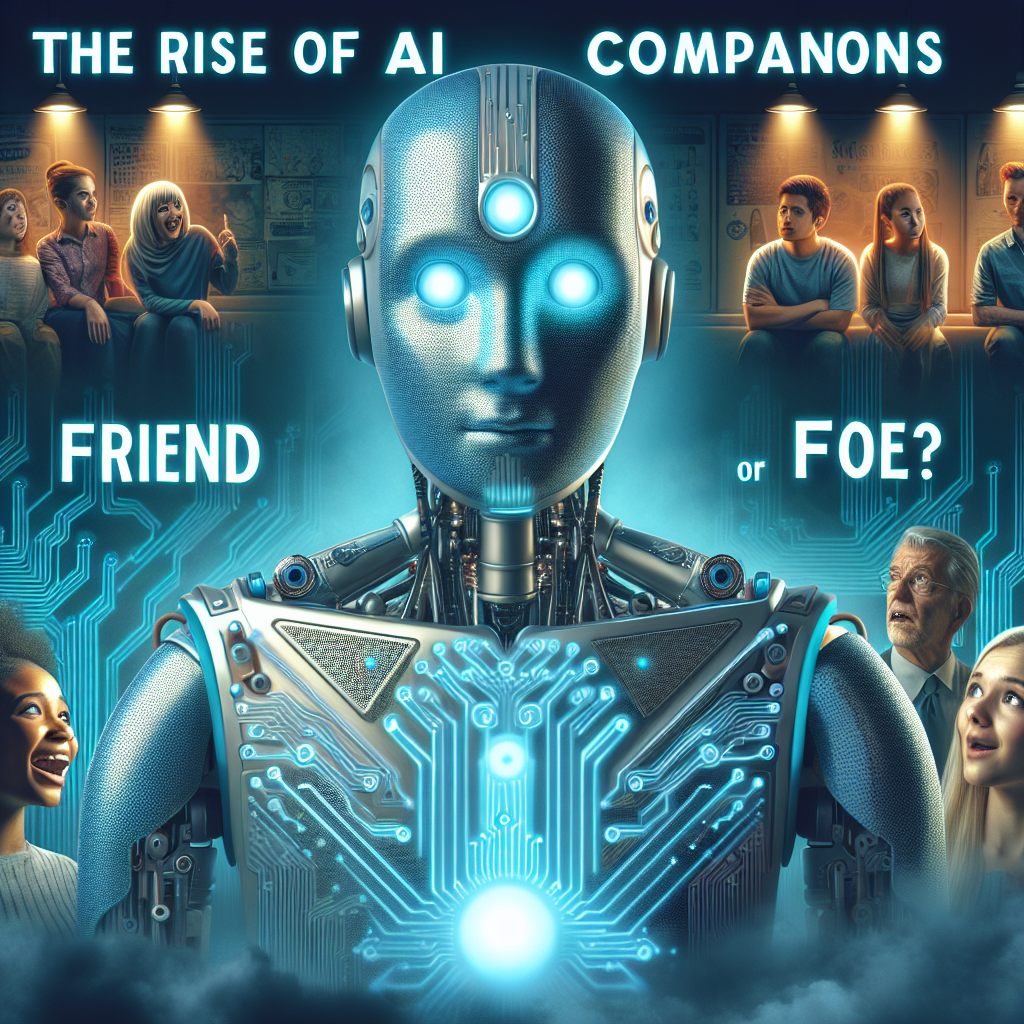
In recent years, artificial intelligence (AI) has evolved from a niche technology to a ubiquitous part of our daily lives. Among its many applications, AI companions — virtual assistants, chatbots, and emotional support robots — have gained significant traction. But as their presence grows, so does the debate: Are AI companions friends that enhance our lives, or foes that threaten our humanity?
The Benefits of AI Companions
Supporters of AI companions highlight several key benefits:
- Emotional Support: Many AI companions are designed to offer empathetic interaction, providing comfort to those who may feel isolated or lonely.
- Accessibility: For individuals with disabilities, AI companions can provide assistance in ways that enhance independence and quality of life.
- Education and Skill Development: AI tutors can offer personalized learning experiences, helping users acquire new skills at their own pace.
- Convenience: Smart assistants streamline daily tasks, from managing schedules to controlling smart home devices, thus saving time and effort.
The Risks of AI Companions
Conversely, critics argue that the increasing reliance on AI companions poses several risks:
- Social Isolation: As people turn to AI for companionship, there is a concern that genuine human interactions may decline, leading to increased loneliness.
- Privacy Concerns: Many AI companions collect vast amounts of personal data, raising questions about data security and user privacy.
- Job Displacement: As AI becomes more capable, there is a fear that it could replace jobs, particularly in industries that involve routine interactions.
- Emotional Deception: Users may form emotional attachments to AI, which could lead to disappointment when they realize these entities lack genuine understanding and empathy.
The Future of AI Companions
As technology continues to advance, the role of AI companions is likely to evolve. It is vital for society to engage in thoughtful dialogue about the implications of these technologies. The design and implementation of AI companions should prioritize ethical considerations, user safety, and social well-being.
Conclusion
Ultimately, whether AI companions are viewed as friends or foes depends significantly on how they are integrated into our lives. With responsible development and open discussions about their limitations and potentials, AI companions could enhance our existence — making technology not just a tool but a meaningful part of our social landscape.
Join our website for cool news and cool tips