


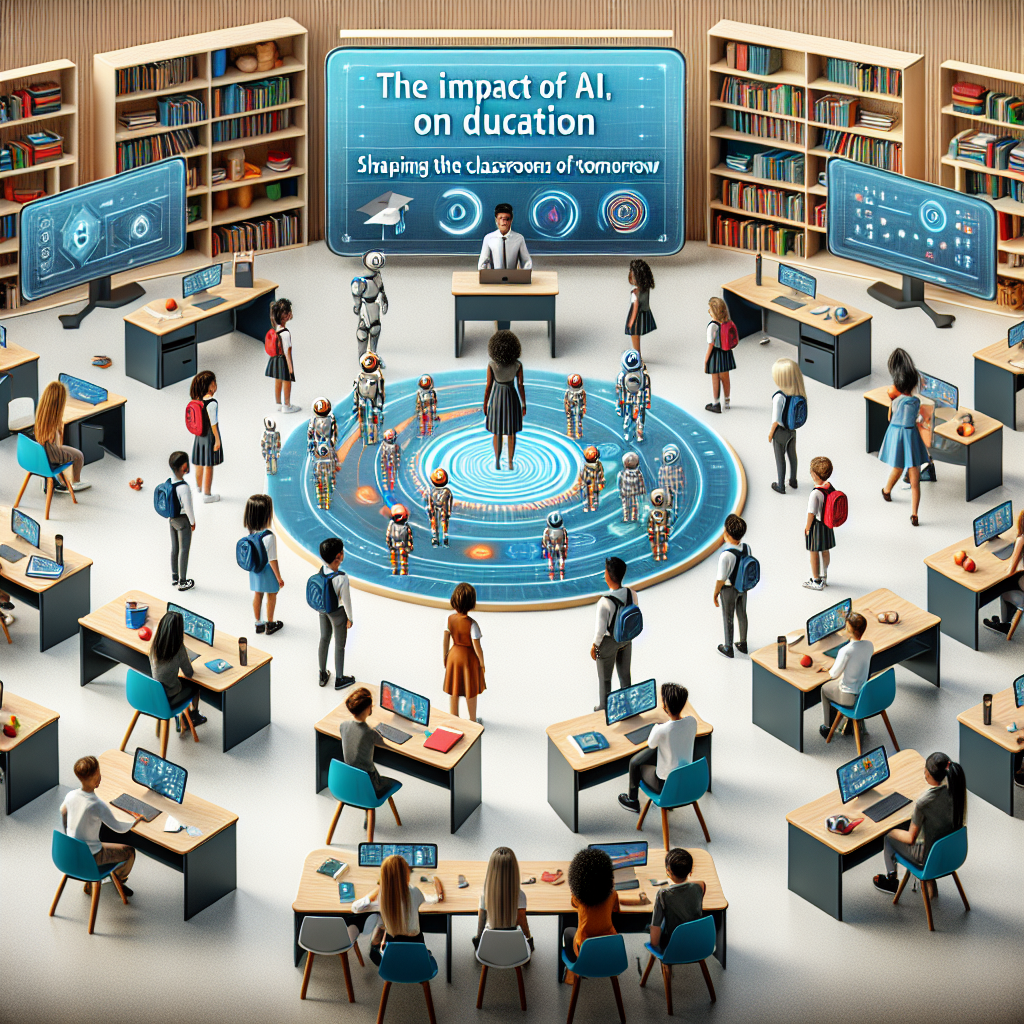
Personalized Learning Experiences
One of the most promising impacts of AI in education is its capacity to create personalized learning experiences. AI-driven platforms can analyze a student’s learning pace, style, and preferences, tailoring instructional materials that cater to individual needs. This level of customization allows students to learn at their own pace, promotes engagement, and addresses the diverse learning abilities within a classroom.
Enhanced Administrative Efficiency
AI applications are not only revolutionizing how students learn but also how educational institutions operate. Administrative tasks, such as grading exams, managing schedules, and maintaining records, can be automated using AI algorithms. This automation reduces the workload on educators, allowing them to focus more on teaching and student interaction rather than administrative burdens.
Data-Driven Insights for Educators
AI can analyze vast amounts of data to provide insights on student performance and behavior. By utilizing these analytics, educators can identify trends and areas where students may struggle, enabling timely interventions. This data-driven approach helps in refining teaching strategies and improving overall educational outcomes.
AI-Powered Tutoring Systems
AI-powered tutoring systems can serve as supplementary resources, providing students with instant feedback and assistance. These virtual tutors can help clarify concepts, provide additional practice exercises, and support students outside of traditional classroom hours. As a result, they can increase access to educational resources for students, regardless of location.
Challenges and Considerations
Despite the numerous benefits AI brings to education, challenges exist. Issues such as data privacy, the digital divide, and the need for robust AI training for educators must be addressed. Additionally, while AI can enhance learning, it’s essential that it complements, rather than replaces, the human element in education, fostering critical thinking and social skills among students.
The Future of Education with AI
As AI technologies continue to evolve, their integration into education will likely grow. Efforts must focus on ensuring equitable access to AI tools, fostering collaboration between educators and AI technologies, and using ethical guidelines to navigate the complexities of AI in learning environments. The classrooms of tomorrow will not only be more technologically advanced but will also promote holistic development, preparing students for an increasingly complex world.
Additional relevant updates