

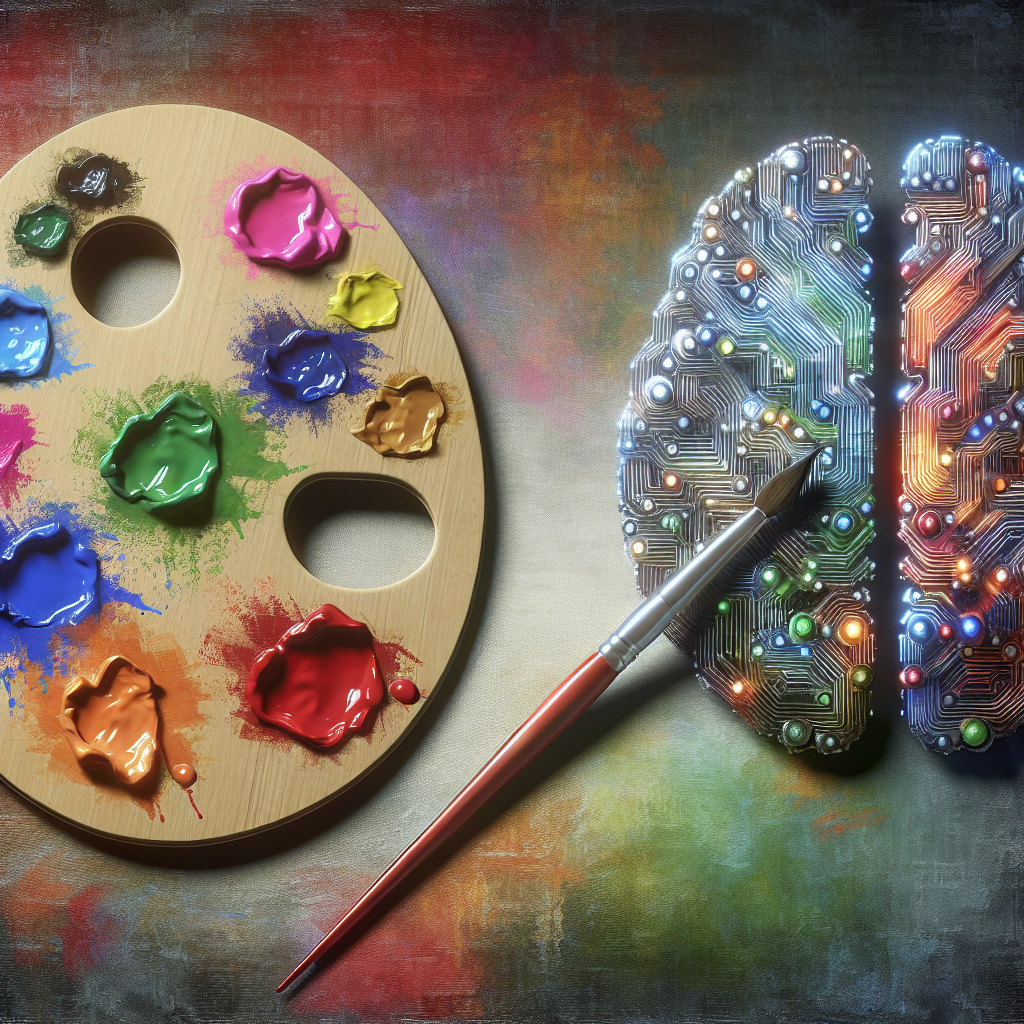
The intersection of artificial intelligence (AI) and creativity has become one of the most intriguing discussions in the modern technological age. As machines become increasingly capable of producing works that resemble human creativity, a critical question arises: can machines truly create art?
The Rise of AI in Creative Fields
In recent years, advancements in AI technologies such as deep learning have allowed machines to generate impressive works of art, music, and literature. Programs like OpenAI’s DALL-E, which generates images from textual descriptions, and MuseNet, which composes music, exemplify the rapid growth of AI’s creative capabilities.
Understanding Creativity
To evaluate whether machines can create art, we first need to understand what creativity entails. Traditionally, creativity is associated with human emotion, experience, and the ability to draw connections between disparate ideas. Many argue that these attributes are inherent to the human condition and cannot be replicated by machines.
The Machine Perspective
From the machine’s perspective, creativity involves algorithms and data processing. AI models analyze vast amounts of information to identify patterns and generate outputs. However, this form of “creativity” raises important questions about originality and intentionality. Are AI-generated pieces truly original, or are they simply recombinations of existing works?
The Debate: Art vs. Algorithm
Critics of AI-generated art argue that without consciousness or emotional context, machines can only mimic human creativity. For them, the soul of art lies in personal expression and subjective experience—qualities that machines inherently lack.
Supporters, however, point out that many forms of human art are influenced by external factors, including culture, trends, and technology. If humans can draw inspiration from their environment, why can’t machines do the same by processing data?
Case Studies: AI in Action
Several examples illustrate the capabilities of AI in the art world. One notable instance is the sale of a portrait created by an AI, named “Edmond de Belamy,” which fetched $432,500 at auction. This event sparked discussions about the value of AI-generated art and its legitimacy within the artistic community.
The Future of AI and Art
As technology evolves, the future of AI in creative fields remains uncertain. Will AI become a collaborative partner for human artists, enhancing the creative process? Or will it eventually challenge the very notion of what art is?
One thing is clear: the dialogue surrounding AI and creativity will continue to evolve, pushing us to reconsider our definitions of art and the role of machines in producing it.
Conclusion
While machines are undeniably capable of producing impressive works that can be classified as art, the essence of creativity remains a uniquely human trait. The burgeoning relationship between AI and creativity offers exciting possibilities, yet it also urges us to reflect on what it means to create.
More related updates, Click Here