


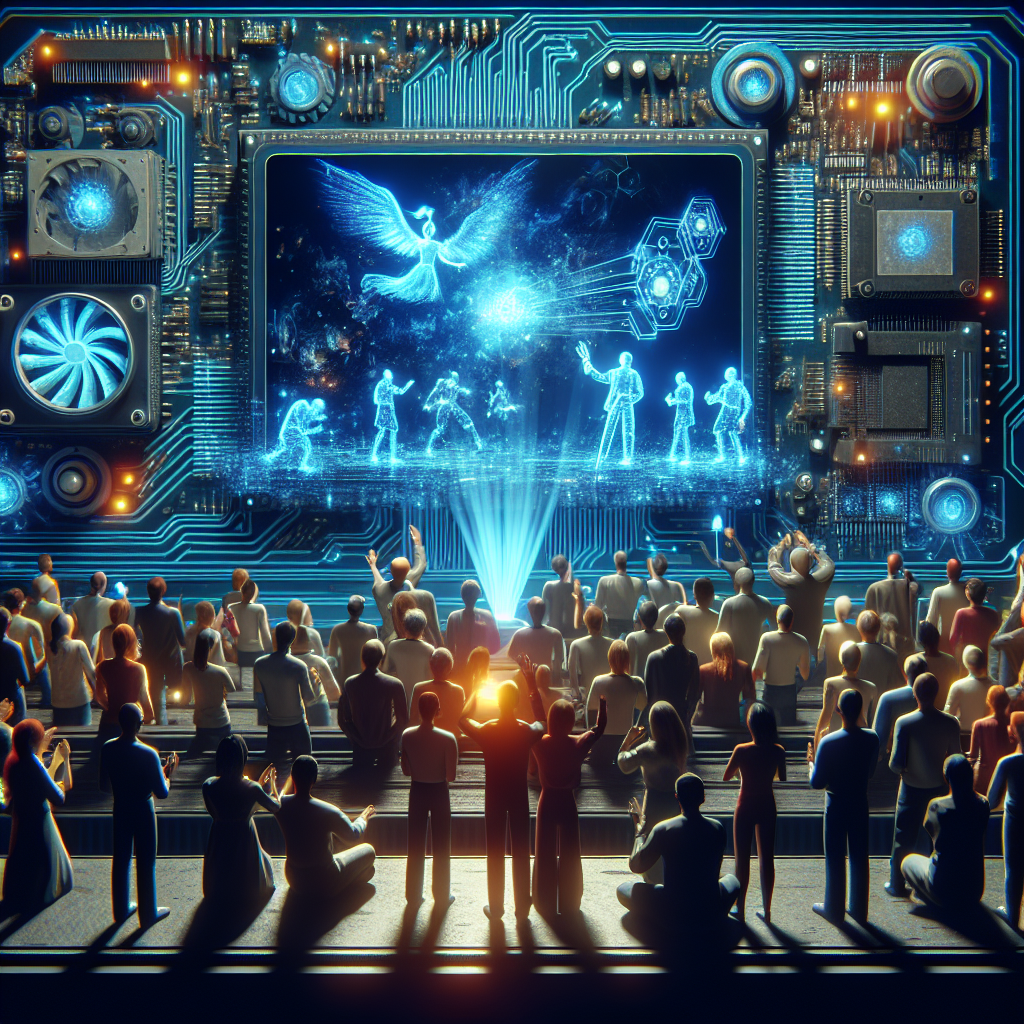
The entertainment industry is undergoing a remarkable transformation, and at the heart of this change is artificial intelligence (AI). From scriptwriting to video game design, AI is revolutionizing how stories are created and experienced. This article explores some of the innovative applications of AI in entertainment and how they are reshaping the landscape of storytelling.
AI-Driven Content Creation
AI algorithms are capable of analyzing vast amounts of data to identify trends, preferences, and successful storytelling techniques. This analysis allows creators to produce content that resonates with audiences on a deeper level. Here are some notable applications:
- Scriptwriting: Tools like OpenAI’s GPT-3 can generate script drafts based on user prompts, helping writers overcome writer’s block or explore new narrative possibilities.
- Character Development: AI can analyze character arcs and audience reactions, allowing creators to craft more relatable and engaging characters.
- Plot Generation: By understanding common narrative structures, AI can propose unique plot twists or endings that significantly enhance storytelling.
Interactive Storytelling
AI is also paving the way for interactive storytelling experiences that immerse audiences in narratives like never before. Video games and virtual reality (VR) are prime examples of this evolution:
- Adaptive Narratives: AI can create branching storylines that adapt in real-time based on player choices, resulting in unique experiences for each user.
- Virtual Characters: AI-driven NPCs (non-playable characters) can respond intelligently to player interactions, creating a more immersive and dynamic storytelling environment.
- Personalized Experiences: AI can tailor game scenarios based on individual player behavior and preferences, ensuring that each player’s journey is uniquely engaging.
Music and Sound Design
Beyond visual storytelling, AI is making waves in music composition and sound design. AI systems can analyze musical elements and generate new compositions, enabling artists to explore uncharted territories:
Music Generation: AI platforms like Amper Music and AIVA allow musicians to compose music in various styles, streamlining the creative process.
Sound Effects: AI can generate or manipulate sound effects in real-time, helping to create more immersive auditory experiences in film and gaming.
Challenges and Ethical Considerations
While the advancements in AI offer exciting opportunities, they also raise important ethical questions:
- Creativity vs. Automation: As we rely on AI for storytelling, there’s a risk of losing the human touch in creativity. Balancing AI’s role while maintaining the essence of storytelling is crucial.
- Intellectual Property: The use of AI to generate new content can lead to questions about ownership and copyright, sparking discussions within the industry.
Conclusion
The integration of AI in entertainment is just the beginning of a new chapter in storytelling. As technology continues to evolve, so too will the ways in which stories are created and shared. By embracing AI responsibly, the entertainment industry can harness its potential to deliver richer, more engaging narratives that captivate audiences around the world.
Visit our website to get more information