Introduction
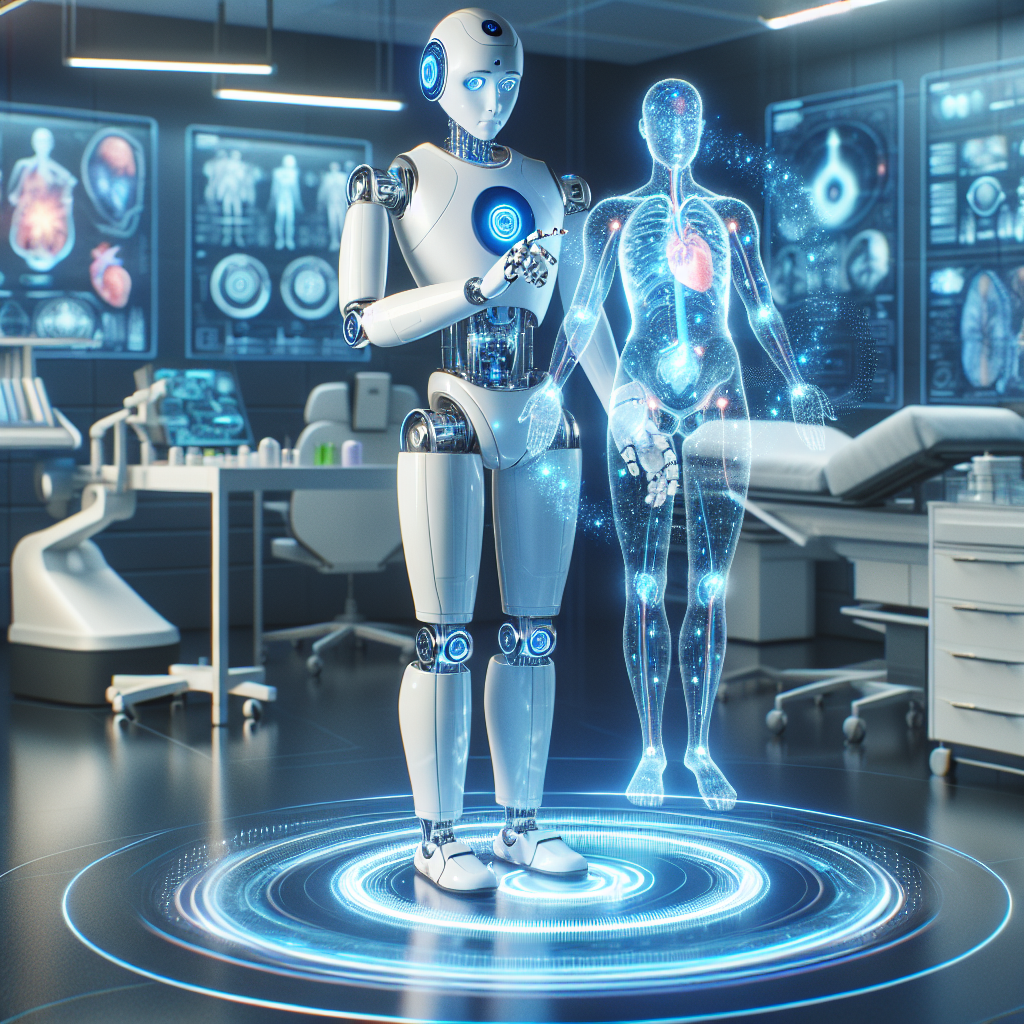
The integration of Artificial Intelligence (AI) in healthcare is revolutionizing how we approach diagnosis and patient care. With its ability to analyze vast amounts of data quickly and accurately, AI has the potential to enhance medical outcomes and streamline processes within the healthcare system.
AI Technologies in Healthcare
- Machine Learning: Algorithms that can learn from and make predictions based on data.
- Natural Language Processing (NLP): The ability of machines to understand and interpret human language.
- Computer Vision: Technology that enables machines to interpret and make decisions based on visual data.
Transforming Diagnosis
AI facilitates improved diagnostic accuracy through data analysis. Machine learning models can analyze imaging data, such as X-rays or MRIs, to detect abnormalities with higher precision than traditional methods. Studies show that AI systems can identify conditions like cancer at earlier stages, which is critical for treatment and recovery.
Additionally, AI can assist in lab test interpretation, providing physicians with insights that might not be immediately evident. This capability allows for a more comprehensive understanding of patient conditions and fosters quicker clinical decisions.
Enhancing Patient Care
AI-driven tools help tailor patient care to individual needs, improving overall patient experience. For instance, AI algorithms can analyze patient data to recommend personalized treatment plans, taking into account medical history, genetics, and lifestyle factors.
Furthermore, virtual health assistants powered by AI help patients manage their health proactively. These tools can remind patients about medication schedules, manage appointments, and even provide basic health advice, thus reducing the burden on healthcare facilities.
Challenges and Ethical Considerations
While the benefits of AI in healthcare are substantial, several challenges persist. Data privacy and security remain significant concerns, as sensitive patient information must be protected. Moreover, the risk of algorithmic bias necessitates rigorous testing to ensure equitable care across diverse populations.
Healthcare professionals must also be prepared for the cultural shift that AI brings. Training and support are crucial to help caregivers leverage AI technologies effectively while maintaining a human touch in patient interactions.
Conclusion
AI is poised to transform the healthcare landscape, enhancing diagnostic accuracy and personalizing patient care. As technology continues to evolve, it is essential for stakeholders to navigate the challenges carefully while embracing the potential of AI. The future of healthcare will undoubtedly benefit from the synergy between human expertise and artificial intelligence.
Visit our website to get more information