


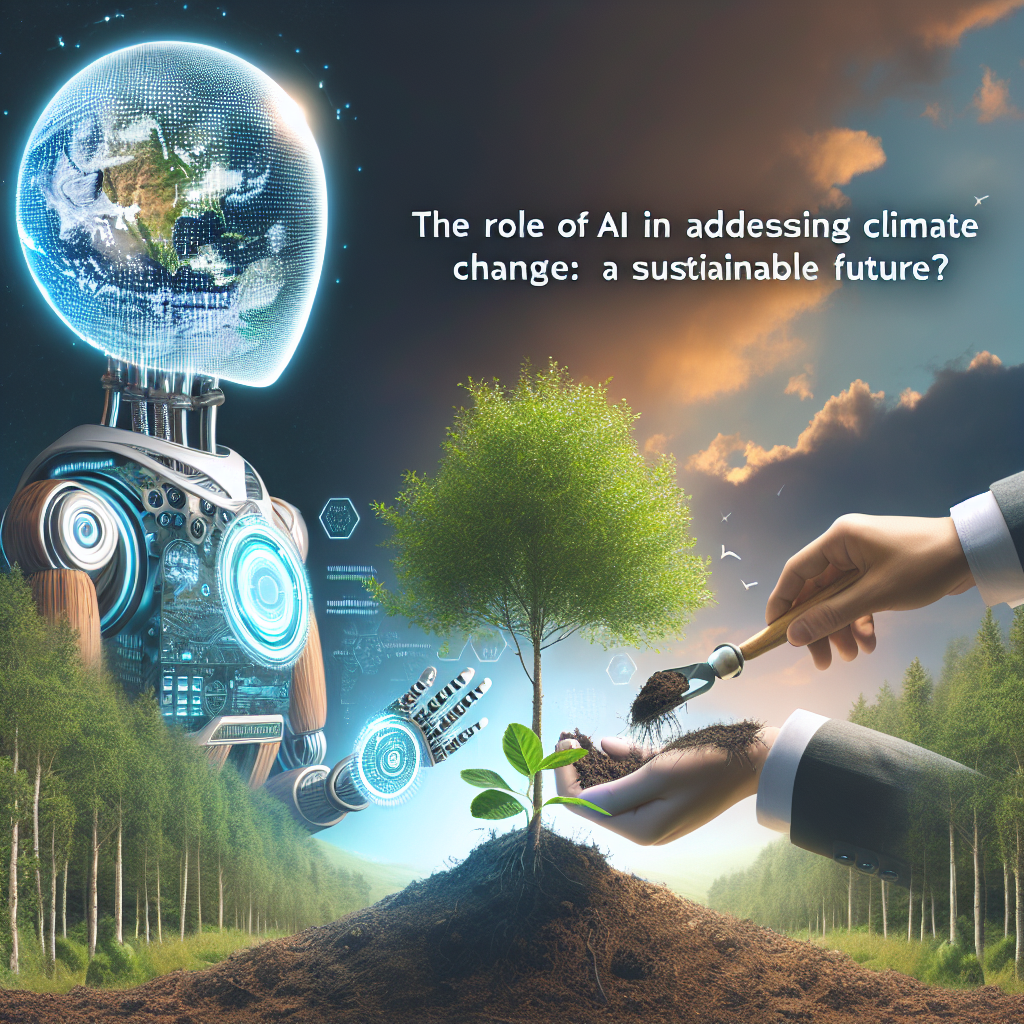
The looming threat of climate change is one of the greatest challenges humanity faces today. As global temperatures rise, natural disasters become more frequent, and ecosystems face unprecedented stress. To combat these pressing issues, the integration of Artificial Intelligence (AI) into sustainability efforts is emerging as a powerful tool.
Understanding Climate Change
Climate change refers to the long-term alteration of temperature and typical weather patterns in a place. While natural events contribute to these changes, human actions—such as burning fossil fuels, deforestation, and industrial activities—have significantly accelerated the process. Addressing climate change requires innovative solutions that harness technology effectively.
The Potential of AI in Mitigating Climate Effects
AI technologies can play a pivotal role in combating climate change in several ways:
- Data Analysis: AI excels at processing vast amounts of data, enabling scientists and policymakers to understand climate patterns and predict future changes accurately.
- Resource Optimization: AI can optimize energy consumption in buildings and industries, leading to reduced carbon footprints. Smart grids can manage energy distribution more efficiently.
- Sustainable Agriculture: Machine learning algorithms can provide farmers with insights on crop yields, pest control, and resource management, minimizing waste and maximizing output.
- Climate Modeling: AI-driven models can simulate climate scenarios, helping governments and organizations prepare for extreme weather events and devise effective strategies.
Innovative Applications of AI
Several real-world applications demonstrate how AI is being utilized to address climate challenges:
- Carbon Footprint Tracking: AI applications can track and analyze individuals’ and organizations’ carbon footprints, offering personalized insights to reduce emissions.
- Smart Transportation: AI systems in public transport enhance efficiency, reduce traffic congestion, and lower greenhouse gas emissions.
- Renewable Energy Forecasting: AI helps in predicting energy generation from renewable sources, improving the integration of solar and wind energy into power grids.
Challenges and Considerations
Despite its potential, the integration of AI in climate solutions is not without challenges. Key considerations include:
Energy Consumption of AI: Training AI models requires significant computational power, which can lead to increased energy consumption.
Data Privacy and Ethics: The use of personal and environmental data raises ethical concerns regarding privacy and consent.
Implementation Costs: The initial investment required to develop AI solutions can be substantial, posing a barrier for some organizations.
Conclusion
AI holds immense potential to drive solutions that mitigate the effects of climate change and promote a sustainable future. By embracing this technology thoughtfully and responsibly, we can reduce our ecological impact while paving the way for innovative strategies that yield lasting benefits for our planet. Ultimately, the collaboration between AI and human ingenuity may well define our success in the fight against climate change.
More related updates, Click Here